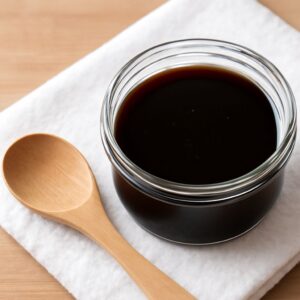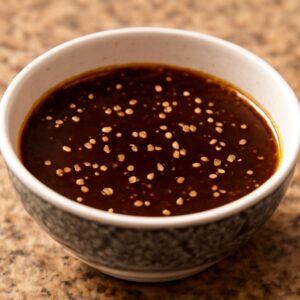
Finding a substitute for teriyaki sauce is easier than most people expect. Teriyaki is a combination of soy sauce, mirin, sake, and sugar—all of which have widely available alternatives. Whether you are out of bottled teriyaki or cooking for someone who avoids certain ingredients, a reliable teriyaki sauce substitute gets you to the same flavor destination without the original product.
This guide covers pantry-based swaps, a quick homemade teriyaki sauce substitute, a vegan teriyaki sauce option for plant-based households, and tips for making a restaurant style teriyaki sauce at home that rivals the bottled version in depth and glaze quality.
Why You Might Need a Teriyaki Sauce Substitute
You ran out of bottled teriyaki. The recipe calls for it and the grocery store is closed. Or you need a teriyaki sauce substitute because someone at the table has a gluten intolerance (most commercial teriyaki contains wheat-based soy sauce). Whatever the reason, understanding what teriyaki actually is makes finding a workable swap straightforward.
Quick Pantry-Based Substitute for Teriyaki Sauce
Combine three tablespoons of soy sauce, one tablespoon of honey or brown sugar, one teaspoon of rice vinegar, one teaspoon of sesame oil, and half a teaspoon of garlic powder. Whisk together and use as a one-to-one substitute for teriyaki sauce in any recipe. It won’t be identical—it lacks mirin’s specific sweetness and sake’s subtle fermented depth—but it works in stir-fries, marinades, and glazes without missing a beat. This is the fastest teriyaki sauce substitute for everyday cooking.
Vegan Teriyaki Sauce: No Fish Sauce Substitutions
Standard teriyaki sauce is technically vegan, but many bottled brands add Worcestershire sauce or other non-vegan ingredients. A vegan teriyaki sauce made from scratch eliminates that concern entirely. Use tamari (wheat-free soy sauce) instead of standard soy sauce, replace mirin with a mixture of rice vinegar and a touch more sugar, and skip any Worcestershire. This vegan teriyaki sauce version is also gluten-free, making it suitable for a wider range of dietary needs.
Restaurant Style Teriyaki Sauce at Home
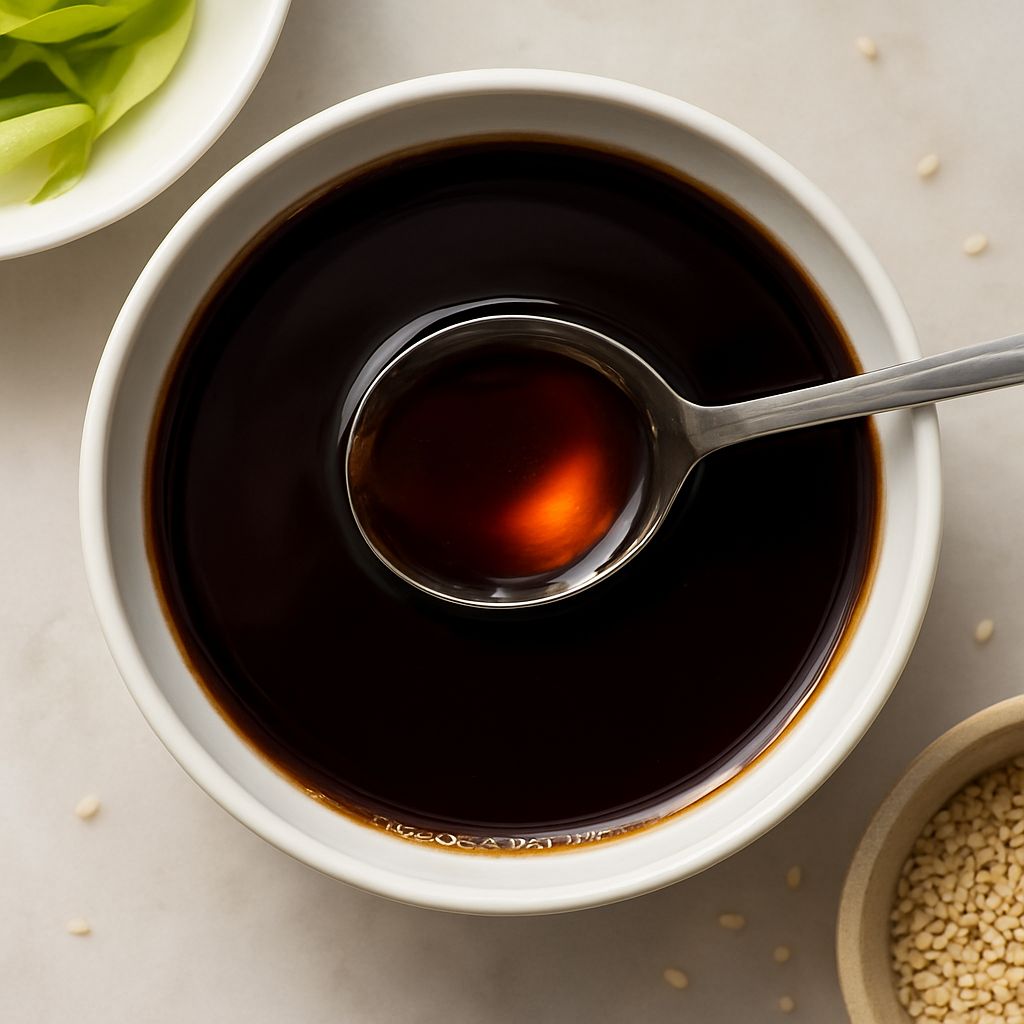
What makes restaurant style teriyaki sauce different from homemade is reduction and the ratio of sweetener to soy. Combine half a cup of soy sauce, a quarter cup of mirin, two tablespoons of sake (or dry sherry), and two tablespoons of sugar in a saucepan. Simmer over medium heat for eight to ten minutes, stirring occasionally, until the sauce thickens and coats the back of a spoon. This restaurant teriyaki sauce has a glossy sheen and a concentrated sweetness that bottled versions approximate but rarely match. It keeps in the refrigerator for two weeks.
Using Your Teriyaki Sauce Substitute
Use any of these versions in stir-fries by adding it toward the end of cooking. Use it as a marinade for chicken, salmon, or beef for thirty minutes to two hours before grilling. Brush it on during the last five minutes of cooking for a lacquered glaze. The restaurant teriyaki sauce works best as a finishing glaze because its higher sugar content can burn over direct high heat if applied too early.
Key Takeaways
A substitute for teriyaki sauce made from soy sauce, sweetener, and a small amount of acid delivers ninety percent of the flavor in under two minutes. A vegan teriyaki sauce uses tamari and omits non-plant-based additions. For the most impressive result, the restaurant style teriyaki sauce approach—simmered and reduced—consistently outperforms any bottle you can buy.