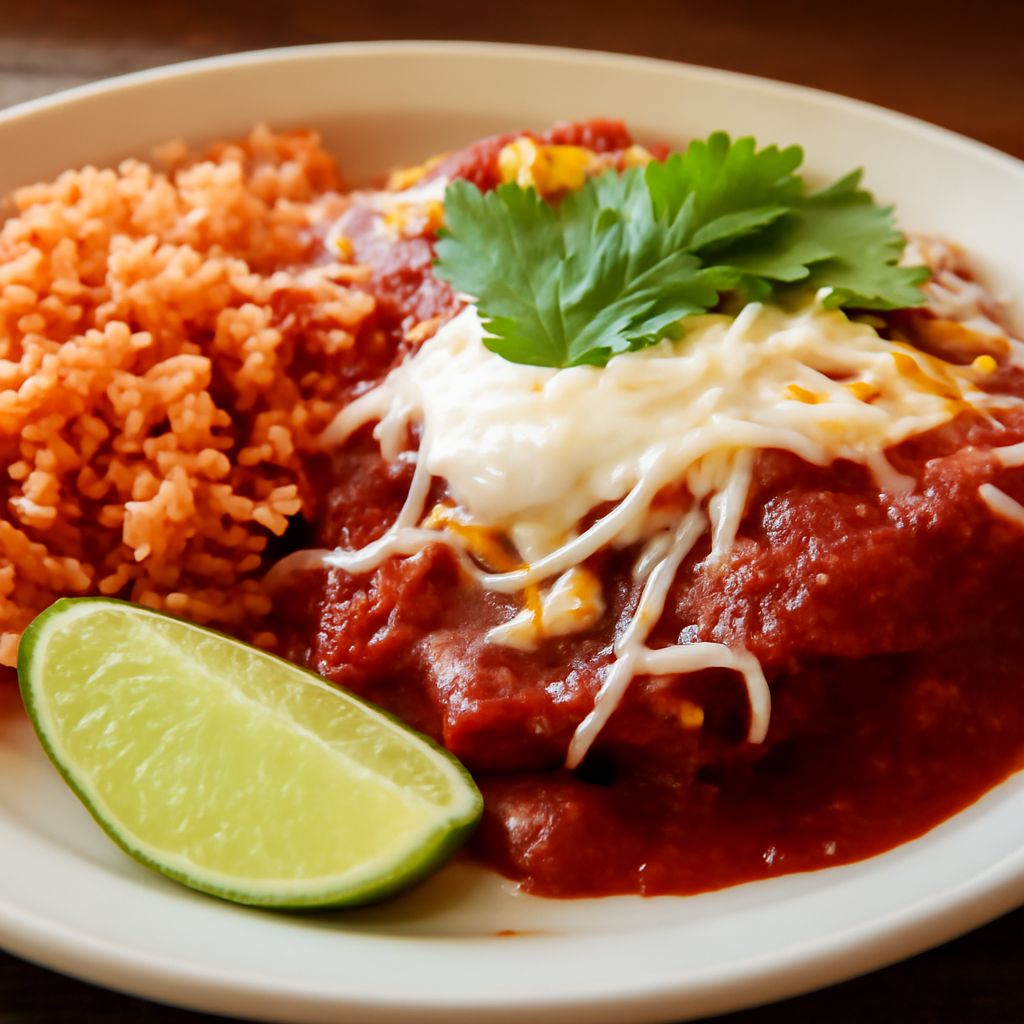
The aroma of chili simmering on the stove stirs up cravings for comfort and warmth. But to truly savor this beloved dish, it helps to understand con carne meaning—because those two words define a hearty, meat-laden classic that has conquered kitchens around the world. Chili con carne unites robust spices, tender beef, and a storied past, making it much more than just another meat stew.
Delve into chili history, and you’ll uncover tales as rich as its flavors. Whether you’re drawn by curiosity or on the hunt for a soul-satisfying meal, this guide explores the meaning of chili con carne, its roots, and reveals an authentic recipe. Let’s discover what gives chili its enduring appeal.
Chili Con Carne Meaning and Origins
Chili con carne, Spanish for “chili with meat,” stands as a staple in Tex-Mex cuisine. The con carne meaning points directly to its defining feature: the inclusion of meat, typically beef, which distinguishes it from vegetarian or bean-only versions. The dish combines ground or cubed beef with chili peppers, tomatoes, onions, and a blend of spices. Its name reflects the essential partnership between meat and chili peppers—two ingredients that have journeyed from indigenous Mexican kitchens to global tables.
The phrase “chili con carne” appeared in print in the mid-1800s, though the dish’s roots stretch further back. Early versions likely emerged in Northern Mexico and Southern Texas, where cattle ranching was common and chili peppers abundant. Over time, the meaning of chili con carne became synonymous with rustic, filling sustenance for cowboys, soldiers, and working families.
Today, the con carne meaning is embraced beyond its linguistic origins. The dish symbolizes the melding of cultures—Spanish, Native American, and Anglo influences—resulting in a recipe that adapts to local palates. Whether served at a Texas cook-off or on a family table, chili con carne’s identity remains anchored in its meaty heart.
Understanding chili con carne meaning clarifies why purists insist on beef as the star. While beans and other additions are now common, it’s the “con carne” (with meat) that defines the true, original form of this iconic stew.
The History of Chili
Chili history weaves together folklore, necessity, and culinary invention. Early accounts suggest chili con carne may have been cooked by Mexican women known as “chili queens,” who sold bowls of spicy stew in San Antonio plazas during the late 19th century. Their recipes, rooted in local spices and affordable cuts of meat, captured the hearts of travelers and locals alike.
Some stories trace chili’s ancestors to indigenous peoples who combined wild game, peppers, and herbs in hearty broths. As Spanish settlers and cowboys moved through Texas and Mexico, they adapted these traditions, giving rise to the chili con carne we know today. The con carne meaning—meat as centerpiece—persisted even as recipes evolved.
By the early 1900s, chili history took another turn when canned chili hit the market. This made the dish accessible nationwide, and soon, chili parlors opened across the United States. Regional variations sprang up: Cincinnati chili with spaghetti, New Mexico’s green chili, and even “chili mac.” Despite these spin-offs, purists still hold fast to the original chili con carne meaning, centering beef and bold seasonings.
Throughout chili history, the stew has symbolized resourcefulness and community. Whether ladled out at church suppers or championship cook-offs, its story remains one of adaptability, flavor, and a steadfast devotion to its meaty roots.
Classic Recipe for Chili Con Carne
Preparing an authentic chili con carne begins with quality beef—either ground or cubed chuck. Sauté the meat in a heavy pot to release rich flavors, then add onions, garlic, and chili peppers. The con carne meaning is upheld when beef is not merely an afterthought, but the dish’s centerpiece.
For traditional taste, blend ancho, pasilla, or New Mexican dried chiles, either chopped or powdered, into the pot. Tomatoes, beef broth, and spices like cumin, oregano, and paprika round out the stew. Simmering for at least an hour melds these flavors and tenderizes the beef, honoring the history of chili con carne as a slow-cooked, rustic meal.
Some cooks add beans or masa harina for texture, but the classic recipe focuses on beef and spice. The meaning of chili con carne is best preserved by keeping additions minimal. Taste for seasoning, and don’t hesitate to adjust the level of heat to suit your table.
This approach respects chili history while offering a robust, deeply flavored dish. Serve hot, garnished with fresh cilantro, diced onions, or shredded cheese to complement the bold, meaty essence.
Serving Suggestions and Variations
Once you’ve mastered the classic recipe, consider ways to serve chili con carne that highlight its versatility. Spoon it over steamed rice, ladle atop baked potatoes, or pair with warm cornbread—each option soaks up the rich juices. The con carne meaning ensures a hearty base for any meal.
Regional takes on chili con carne abound. In Texas, beans are often omitted, keeping to the original chili con carne meaning. Elsewhere, kidney or pinto beans might be added for extra bulk and flavor. Some chefs experiment with ground pork, turkey, or even game meats, riffing on the core concept while adding local flair.
For a quick weeknight dinner, try making a double batch and using leftovers for chili dogs or nachos. Add extra chili peppers, smoky chipotle, or a dash of chocolate for depth and complexity—small tweaks that keep the heart of chili history alive while inviting creativity.
Chili con carne, with its deep roots and adaptable spirit, remains a showcase for bold flavors and warming satisfaction. However you serve it, the meaning of chili con carne is clear: a celebration of meat, spice, and time-honored tradition.