Discover the rich and savory world of Korean oxtail soup, a dish that promises to warm your heart and nourish your soul. This delightful soup, packed with authentic flavors and traditional ingredients, is an excellent way to enjoy a nutritious meal that’s both comforting and satisfying.
Learning how to make oxtail soup with a Korean twist is a culinary adventure worth embarking on. With its unique blend of flavors, including radish and tender oxtail, this dish highlights the art of Korean cuisine, offering a taste that’s both familiar and exotic. Dive into the steps of crafting this classic dish and elevate your cooking repertoire with oxtail soup Korean style.
Introduction to Korean Oxtail Soup
The Origins of Oxtail Soup
Oxtail soup has deep roots in many cultures, celebrated for its rich, beefy flavor. Traditionally, oxtail is simmered for hours, allowing the bones to release collagen and create a luscious broth. In Korea, this soup is transformed into a cultural staple, where oxtail soup Korean style is revered for its depth of flavor and nourishing qualities.
Why Choose Korean Oxtail Soup?
Korean oxtail soup is more than just a meal; it’s an experience. This dish not only offers a hearty and warming bowl of comfort but also delivers numerous health benefits. The slow-cooked bones provide a source of nutrients like collagen and calcium, while the subtle flavors of radish and other vegetables add layers of taste and texture.
Ingredients for Oxtail Soup Korean Style
Essential Ingredients
To make oxtail soup Korean style, you’ll need fresh oxtail, Korean radish, garlic, ginger, and green onions. These ingredients form the base of the soup, contributing to its rich and authentic taste. The oxtail is crucial for the signature beefy flavor, while the radish adds a subtle sweetness and enhances the broth.
Optional Additions
For those looking to experiment, consider adding ingredients like gochugaru (Korean chili pepper flakes) for heat, or soy sauce for a deeper umami flavor. Mushrooms and tofu can also be great additions, offering variety and additional texture to the traditional oxtail soup Korean recipe.
How to Make Oxtail Soup
Preparation Steps
Begin by soaking the oxtail in cold water for about an hour to remove excess blood. Rinse thoroughly and drain. Slice the Korean radish into thick pieces, and prepare the garlic, ginger, and green onions by slicing them finely.
Cooking Instructions
In a large pot, bring water to a boil and add the oxtail. Let it blanch for about 10 minutes, then drain and rinse the oxtail again. Refill the pot with water, adding oxtail, radish, garlic, and ginger. Simmer for 3 to 4 hours until the broth is rich and the meat is tender. Skim any impurities from the surface occasionally to keep the broth clear.
Tips for Perfect Korean Oxtail Soup
Enhancing Flavors
To enhance the flavors, consider seasoning with salt and pepper to taste. Adding a dash of sesame oil can also provide a fragrant note. Letting the soup sit overnight and reheating it can deepen the flavors, creating an even more delicious dish.
Serving Suggestions
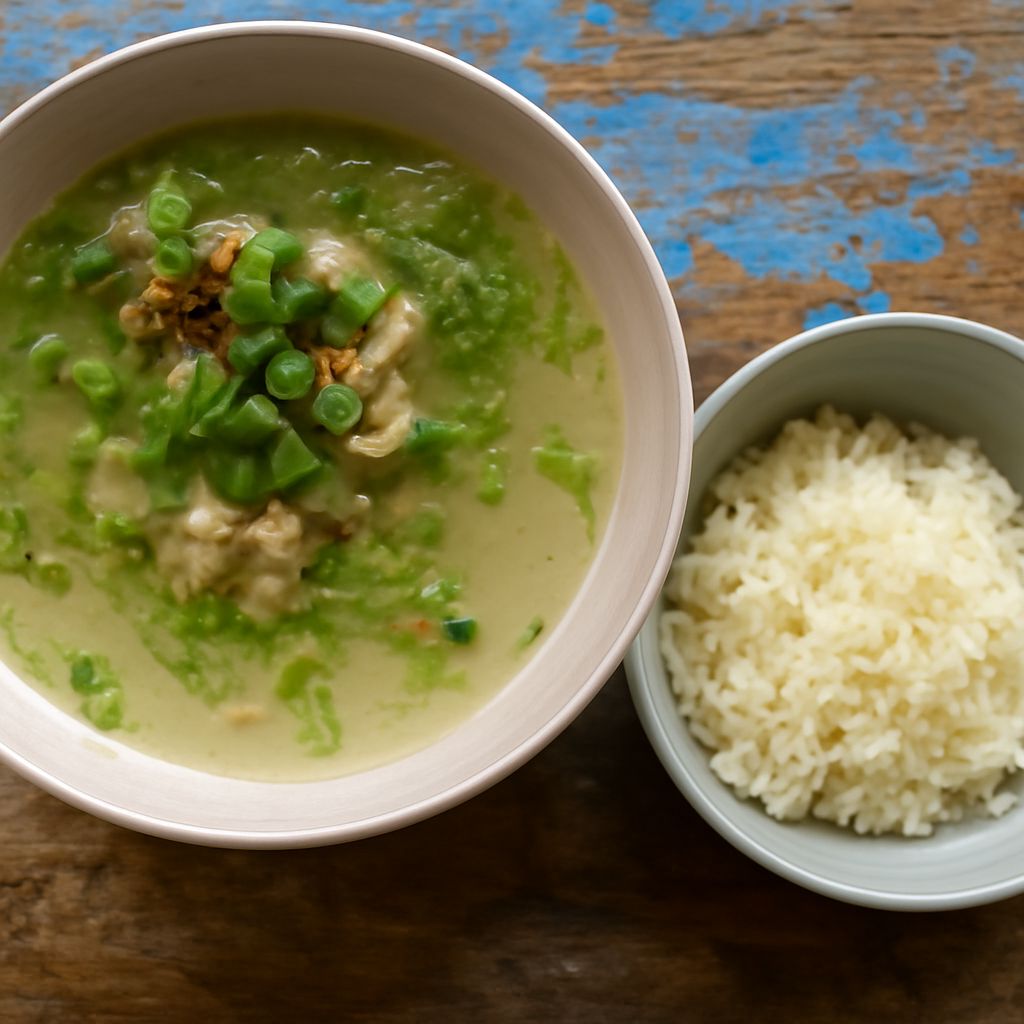
Serve your oxtail soup hot, garnished with sliced green onions and a sprinkle of sesame seeds. Pair it with steamed rice or kimchi to enjoy a complete Korean meal. The balance of the hearty soup and the fresh rice creates a harmonious dining experience.
Variations of Radish Soup Korean
Adding Radish to Oxtail Soup
Radish plays a vital role in Korean radish soup, adding a delicate sweetness and soft texture. When combined with oxtail, it absorbs the rich broth, becoming a flavorful component of the soup. This combination is a classic in many Korean households.
Other Korean Soup Options
If you’re exploring other Korean soups, consider dishes like Kimchi jjigae or Doenjang jjigae, which offer different taste profiles. These stews highlight the versatility of Korean cuisine, showcasing various ingredients and preparation techniques.
Bottom line: Korean oxtail soup is a delicious and nutritious dish that embodies the warmth and tradition of Korean cuisine. Whether you enjoy it for its rich flavors or its health benefits, this soup is sure to become a beloved staple in your home.