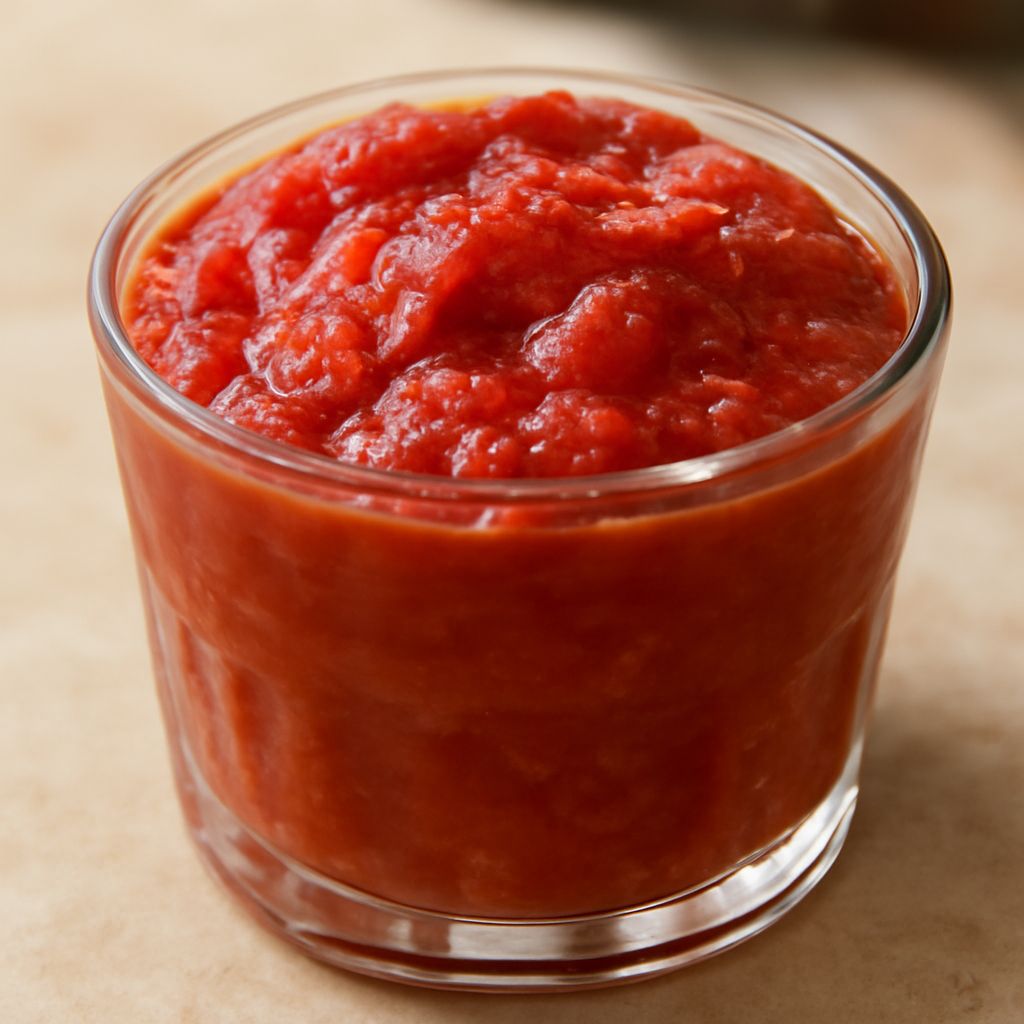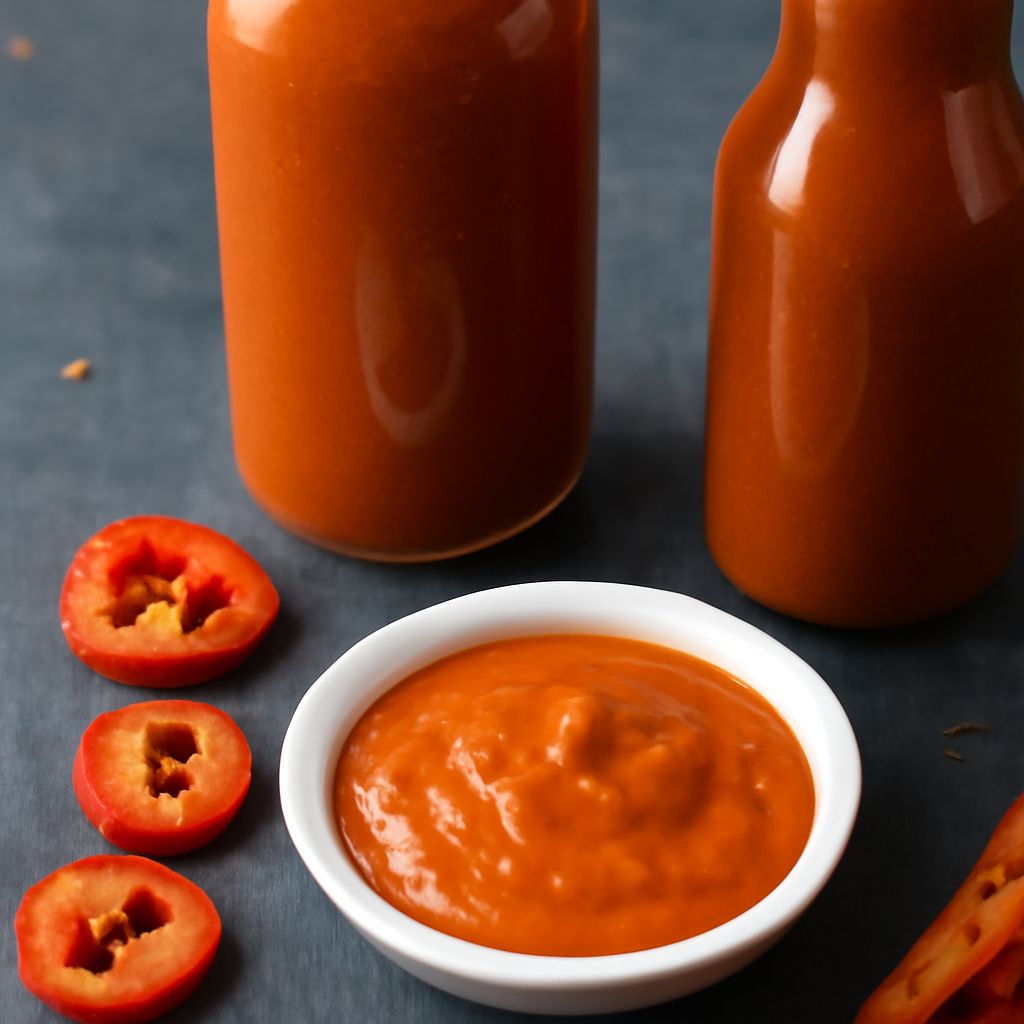
Making your own hot pepper sauce at home gives you control over heat, flavor, and ingredients that no store bottle can match. There are many pepper sauce recipes to explore, from tangy vinegar-based Louisiana styles to thick fermented versions. These hot pepper sauce recipes cover a range of techniques, and understanding how to make hot sauce from peppers lets you customize heat and flavor to your exact preference. This guide also includes a practical recipe for hot pepper sauce you can make this week with common fresh peppers.
Good hot sauce is about balance. Heat should have company: acidity, sweetness, and depth from the pepper itself.
Choosing Your Peppers
Different peppers produce very different sauces. Cayenne and tabasco peppers make a thin, bright, vinegary hot pepper sauce. Habaneros deliver fruity heat with a distinct floral note. Jalapeños are mild enough for everyday use and pair well with garlic and lime. Roasting peppers before blending adds a smoky dimension. For a fermented version, any fresh pepper works, but fruity varieties like red Fresnos or habaneros produce the most complex results.
Basic Recipe for Hot Pepper Sauce
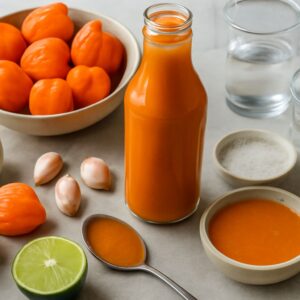
This recipe for hot pepper sauce uses fresh cayenne peppers and takes about 20 minutes. Remove stems from one pound of fresh cayenne peppers. Blend with four garlic cloves, half a cup of white vinegar, one teaspoon of salt, and half a teaspoon of sugar until completely smooth. Transfer to a saucepan and simmer over low heat for 10 minutes. Cool and strain through a fine mesh strainer for a thin sauce, or skip straining for a thicker result. Store in a sealed glass jar in the refrigerator for up to three months.
Hot Pepper Sauce Recipes: Variations
Once you understand the base, hot pepper sauce recipes branch out easily. For a mango habanero version, blend roasted habaneros with one cup of fresh mango, lime juice, garlic, and apple cider vinegar. For a smoky chipotle style, use canned chipotles in adobo sauce as the pepper base. Fermented hot pepper sauce recipes require patience but produce a more layered flavor. Blend fresh peppers with two percent salt by weight, pack into a jar, and ferment at room temperature for five to seven days before blending with vinegar.
How to Make Hot Sauce from Peppers Safely
How to make hot sauce from peppers safely matters. Wear gloves when handling habaneros or hotter peppers. Capsaicin transfers from hands to eyes and skin easily. Blend hot mixtures with the lid slightly vented to prevent pressure buildup. Work in a ventilated kitchen because blending hot peppers releases airborne capsaicin that irritates the throat.
Storing and Using Your Hot Sauce
Homemade pepper sauce recipes produce a product that keeps well in the refrigerator with proper acidity. A pH below 4.0 prevents bacterial growth. If you are unsure, add more vinegar until the sauce tastes clearly acidic. Use your hot pepper sauce on eggs, tacos, grilled meats, rice bowls, and soups. A few drops of well-made hot sauce transforms an ordinary meal.
Key takeaways: Start with a simple vinegar and cayenne base before moving to fermented or fruit-based hot pepper sauce recipes. Always wear gloves with high-heat peppers. Proper acid levels keep homemade sauces safe and shelf-stable in the refrigerator.