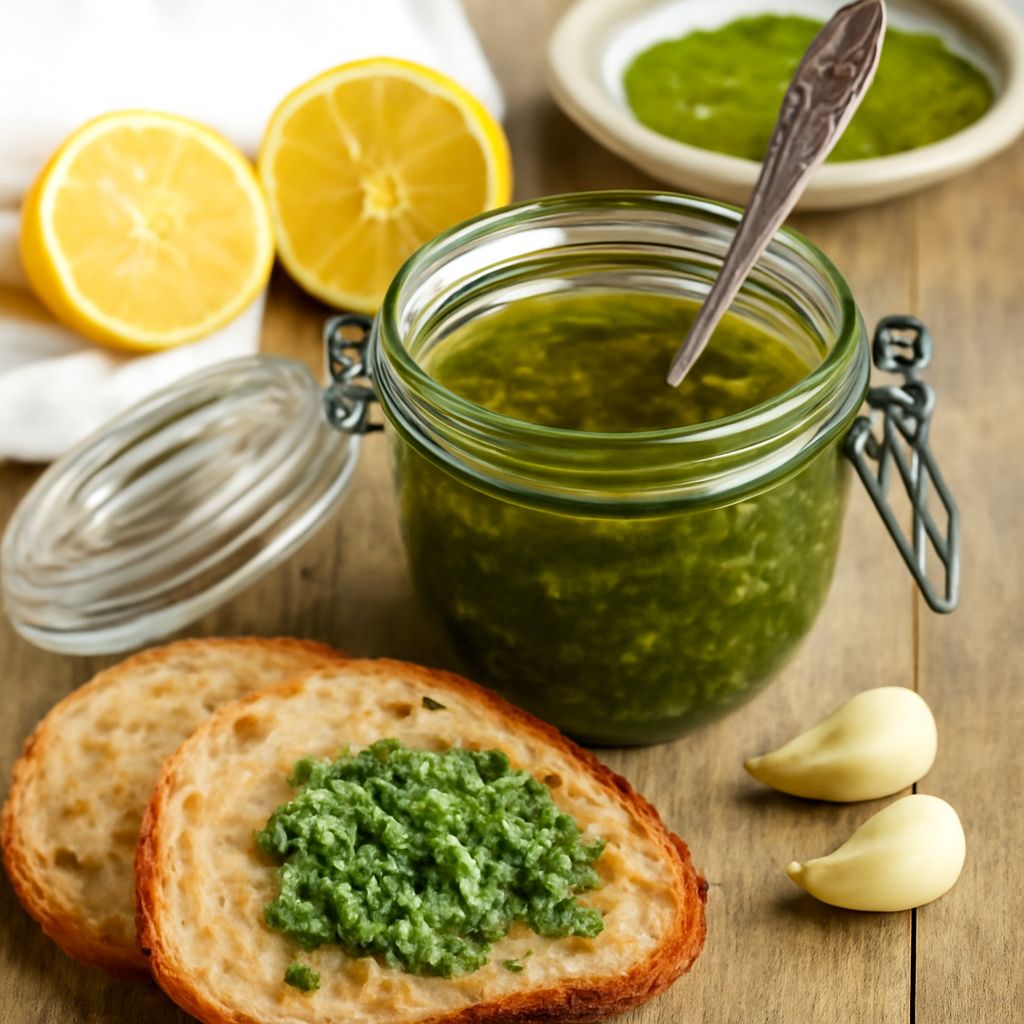
Mojo sauce is one of the most versatile condiments in Latin cooking — sharp with citrus, pungent with garlic, and fragrant with cumin and oregano. A proper cuban mojo sauce transforms roasted pork, grilled chicken, and even fried plantains into something that’s hard to stop eating.
If you’ve ordered mojo sauce cuban style at a restaurant and wondered how to make it at home, the process is simpler than you’d expect. The key is the ratio of citrus to garlic and the technique for blooming the spices in hot oil. This guide covers the classic cuban sauce approach and explains why mojo (sauce) earned its permanent place in Cuban and Caribbean cooking.
What Goes Into Authentic Mojo Sauce
The Citrus Base
Traditional Cuban mojo uses sour orange — naranja agria — which has a more complex, less sweet acidity than regular orange juice. Sour orange isn’t always easy to find outside Latin markets. The standard substitute is a 2:1 mix of fresh orange juice and fresh lime juice. This combination approximates the flavor profile well. Do not use bottled juice — the fresh citrus is critical to the brightness of the final sauce.
The Garlic
Cuban mojo uses a lot of garlic — typically eight to ten cloves for a batch that serves four to six people. Mince or press the garlic very finely, or use a mortar and pestle to pound it into a paste with salt. The paste disperses more evenly into the sauce than chopped garlic and gives the finished cuban mojo sauce a smoother, more integrated texture.
The Hot Oil Technique
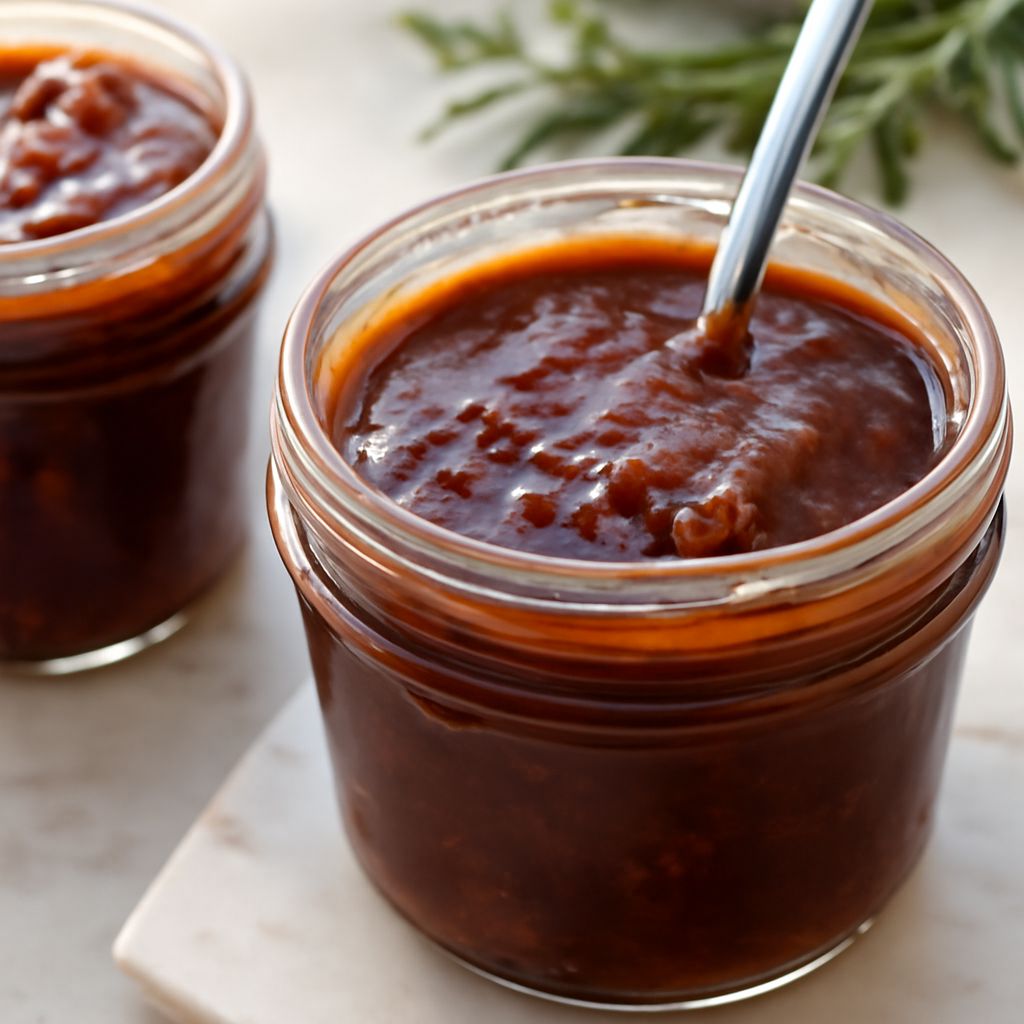
The defining technique in authentic mojo sauce cuban preparation is adding the garlic and spices to hot oil before combining with the citrus. Heat a quarter cup of olive oil in a small saucepan until it shimmers — not smoking. Add the minced garlic, a teaspoon of ground cumin, and a teaspoon of dried oregano. Cook for 30 to 45 seconds, stirring constantly, until the garlic turns pale gold and the spices bloom. Immediately pour the hot oil mixture into the citrus juice. It will sizzle and spatter — that’s normal. Stir to combine, season with salt, and let it cool.
Using Mojo Sauce
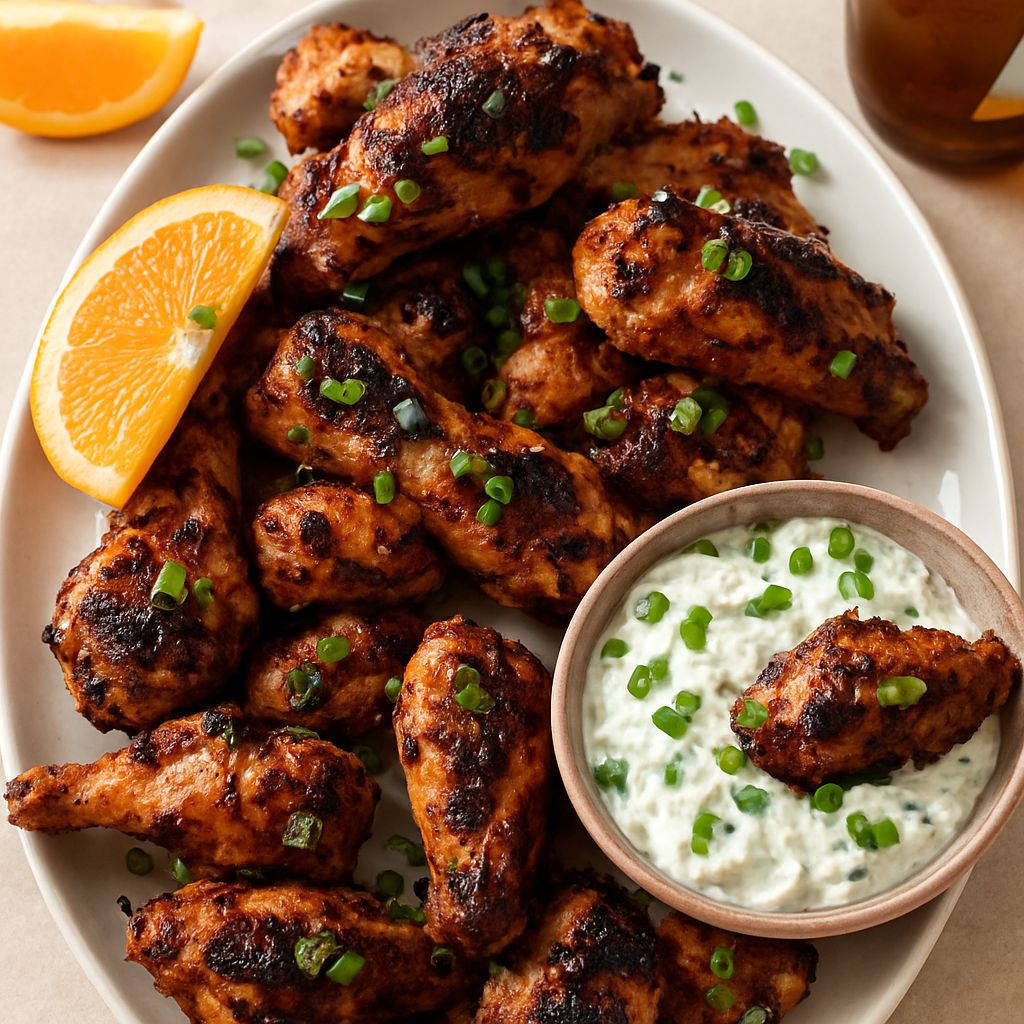
This cuban sauce is most commonly used in two ways: as a marinade and as a table sauce. As a marinade, it’s exceptional with pork shoulder — the citrus acid tenderizes the meat while the garlic and spices penetrate deeply. Marinate pork for at least four hours or overnight. As a finishing sauce, drizzle it over roasted or grilled chicken, shrimp, or fish immediately before serving. It’s also the sauce for Cuban-style boiled or roasted yuca — pour it directly over the cooked yuca while both are still hot so the root vegetable absorbs the flavor.
Variations on the Classic
A green mojo version — mojo verde — adds fresh cilantro or parsley blended into the sauce for color and herbal brightness. This variation is more common in the Canary Islands and parts of South America than in Cuba proper. A spicier version adds sliced fresh ají amarillo or a pinch of cayenne to the oil blooming step. For a creamier application, whisk the mojo (sauce) with a small amount of mayonnaise for a dipping sauce or sandwich spread that works well with fried foods and sandwiches.
Storage and Make-Ahead Tips
Fresh mojo sauce keeps in the refrigerator for up to five days in a sealed jar. The garlic flavor intensifies over time, which many people prefer. The oil may solidify slightly when chilled — bring it to room temperature or warm it gently before using. Make a double batch when you’re already juicing citrus — the extra effort is minimal and having mojo in the refrigerator means you always have an instant flavor solution for whatever protein is in the pan.