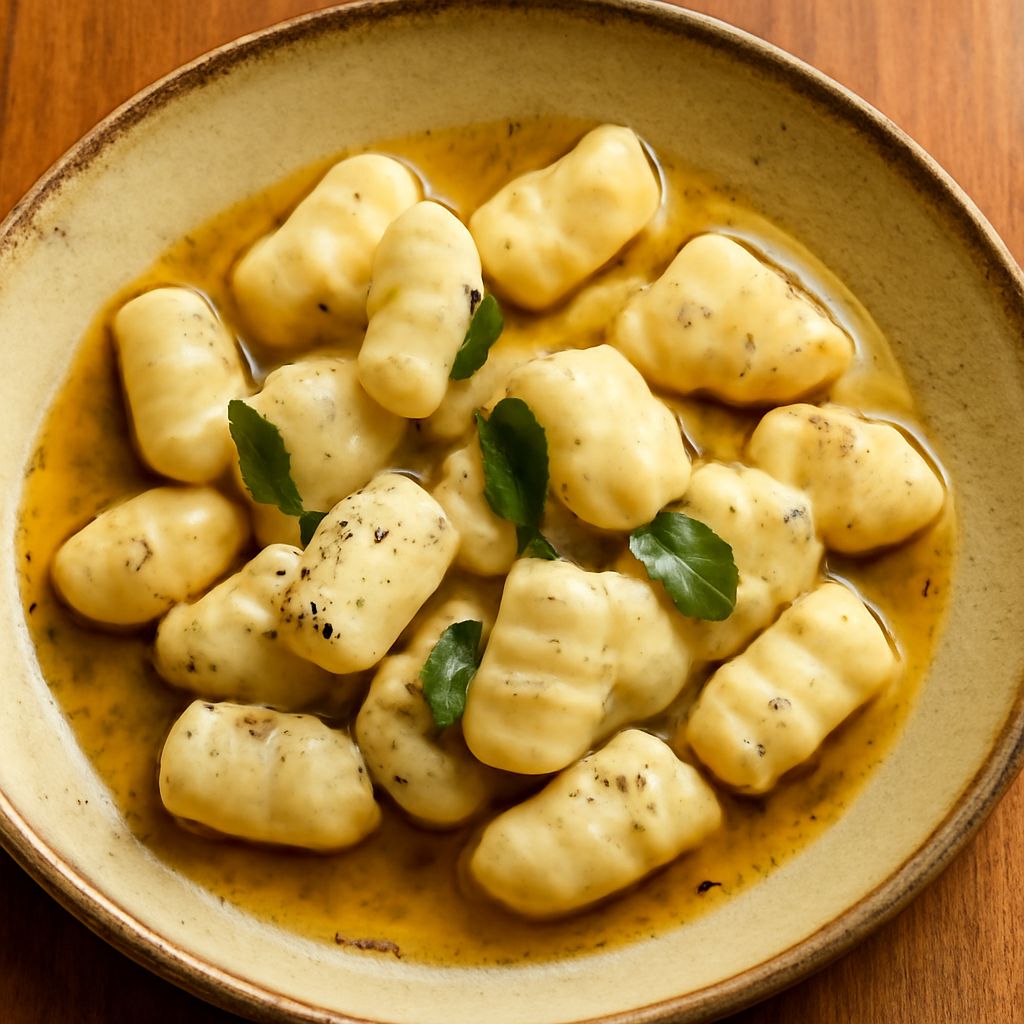
When Italians say ragu sauce, they mean a slow-cooked meat sauce with tomatoes and aromatics that’s been simmering long enough to become something deeply unified. It’s not a quick tomato sauce with ground beef dropped in. A proper ragu sauce recipe requires patience, but the technique itself is straightforward. Most of the time is hands-off simmering.
Understanding the ragu sauce ingredients helps you see why the slow process matters: onion, carrot, celery, meat, wine, tomato, and broth all need time to meld into something greater than their parts. A good ragu spaghetti sauce recipe is one of the most versatile dishes in Italian cooking, and this ragu pasta sauce recipe gives you a formula that works on spaghetti, rigatoni, tagliatelle, and lasagna with equal success.
Essential Ragu Sauce Ingredients
The Meat Base
Most traditional ragu sauce ingredients call for a mixture of meats. Ground beef and pork is the classic combination. Ground veal is used in northern Italian versions. Some regional recipes add pancetta or guanciale to the fat component. For a home kitchen version, a 50/50 mix of ground beef and ground pork produces the most balanced result: the beef provides depth, the pork provides fat and sweetness.
Vegetables and Aromatics
The soffritto is non-negotiable: finely diced onion, carrot, and celery in roughly equal amounts. These cook slowly in olive oil until completely soft before the meat goes in. This takes 15 to 20 minutes on medium-low heat. Rushing the soffritto is the most common reason a homemade ragu sauce recipe turns out flat.
Building the Ragu
After the soffritto, add the ground meat to the pot over high heat. Break it up and cook until every trace of pink is gone and some browning has occurred. This takes 10 to 15 minutes and shouldn’t be rushed. The browned fond at the bottom of the pan is flavor.
Add dry white or red wine and let it cook off completely. Add tomato paste and stir for two minutes. Add crushed tomatoes, beef broth, bay leaves, and a pinch of nutmeg. Stir to combine. Bring to a simmer. This is the base of your ragu spaghetti sauce recipe at the point where patience takes over from technique.
The Long Simmer
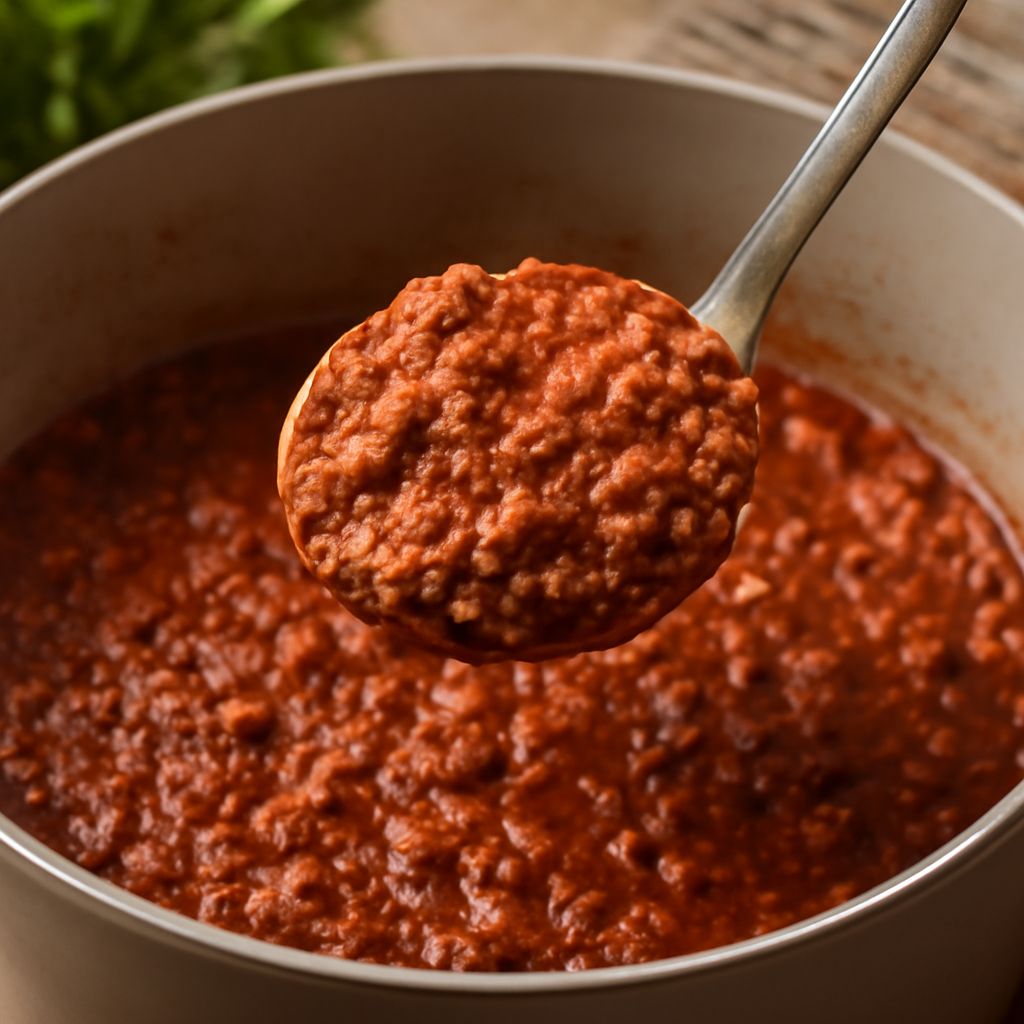
Reduce heat to the lowest possible setting. Cover partially and cook for at least two hours, stirring every 20 to 30 minutes. Add small amounts of broth if the sauce starts to dry out before the meat is fully tender. The ideal ragu sauce is thick, glossy, and has a slightly grainy texture from the meat that’s been broken down by the long cooking.
Three hours produces a noticeably better result than two for this ragu pasta sauce recipe. The fat renders completely, the collagen in the meat breaks down, and the flavors integrate in a way that’s impossible to achieve quickly. This is the original slow food before that phrase became a movement.
Finishing and Serving
Remove the bay leaves before serving. Taste and adjust salt and black pepper. A final stir of good olive oil off-heat adds gloss to the finished ragu sauce recipe. Some cooks add a small amount of whole milk in the last 30 minutes of cooking to round the acidity; this is traditional in certain Emilian recipes.
Toss with freshly cooked pasta in the pan with a small amount of pasta cooking water for a properly sauced dish where the pasta and sauce are one rather than pasta with sauce sitting on top.
Bottom Line
A real ragu sauce rewards the time you give it. The slow cook is what separates an authentic Italian meat sauce from a quick weeknight pasta. Make it on a Sunday, store it in the refrigerator or freezer, and use it across multiple meals throughout the week. The flavor only improves with time.