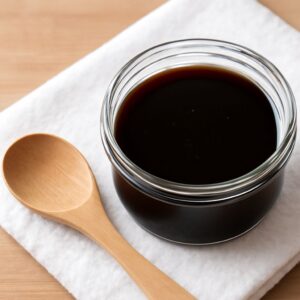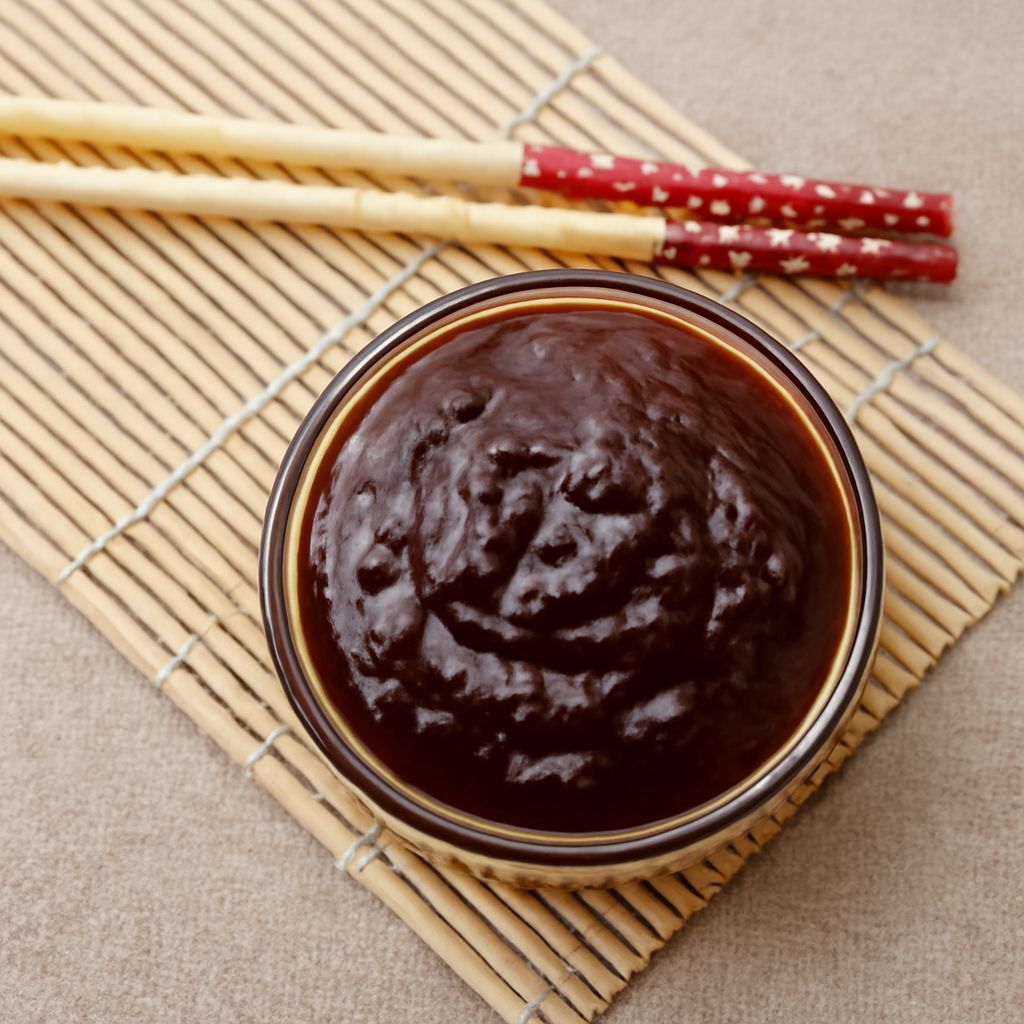
If you’ve spotted hoisin on a restaurant table or seen it in a recipe and wondered exactly what is hoisin sauce used for, you’re in good company. The answer is: a lot. Hoisin sauce uses span marinades, glazes, dipping sauces, stir-fries, and noodle dishes. Once you understand how to use hoisin sauce, you’ll find it one of the most versatile condiments in Asian cooking. The sauce itself is thick, sweet-savory, and deeply umami—made from fermented soybean paste, sugar, garlic, and spices. There are many uses for hoisin sauce across Chinese, Vietnamese, and fusion cuisines, and knowing how to cook with hoisin sauce opens up a wide range of quick, flavorful meals.
As a Marinade and Glaze
One of the most popular hoisin sauce uses is as a marinade base for chicken, pork, and duck. Mix hoisin with a bit of sesame oil, soy sauce, and rice vinegar to create a balanced glaze. Coat your protein and let it sit for at least 30 minutes before grilling or roasting. The sugars in hoisin caramelize quickly on high heat, creating lacquered, sticky surfaces with deep color. For char siu-style pork—Chinese barbecued pork—hoisin is a core ingredient in what makes the glaze so distinctive.
In Stir-Fries
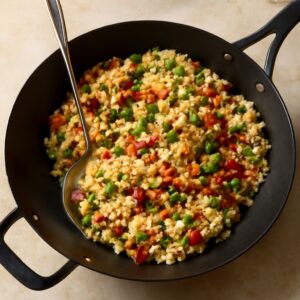
Understanding how to use hoisin sauce in stir-fries transforms a simple dish into something restaurant-quality. Add one to two tablespoons near the end of cooking after your protein and vegetables are mostly done. Stir quickly to coat everything in the sauce, add a splash of water if it looks too thick, and let it reduce for 30 seconds. This technique coats every ingredient in a glossy, savory layer without burning the sugars.
As a Dipping Sauce
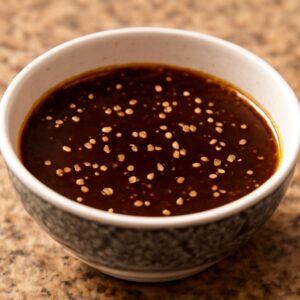
Hoisin is a classic dipping sauce for Peking duck, moo shu pork, and fresh Vietnamese spring rolls. For a simple dip, thin it with a small amount of warm water to loosen the consistency. Add sesame oil and a few drops of rice vinegar. For Vietnamese-style, mix with peanut butter—one part peanut butter to two parts hoisin—for a rich, nutty dipping sauce that works with rice paper rolls. This is one of the most direct uses for hoisin sauce that requires almost no preparation.
In Noodle Dishes
Hoisin works well in lo mein, dan dan noodles, and cold sesame noodles. It adds body and sweetness that plain soy sauce can’t replicate. When you’re thinking about how to cook with hoisin sauce in a noodle context, toss it with cooked noodles, sesame paste, a splash of chili oil, and some rice vinegar. The hoisin binds everything and adds a natural umami depth without additional effort.
As a Sandwich and Wrap Spread
Spread hoisin directly onto flatbreads, tortillas, or bao buns in place of other sauces. Its sweet, savory profile balances spicy proteins and pickled vegetables well. It’s the traditional spread used inside Peking duck pancakes, where the richness of the duck skin pairs with the sweet-savory hoisin and sharp scallion. This is a direct answer to what is hoisin sauce used for—it’s essentially the ketchup of Chinese cooking, showing up wherever you need a flavor anchor.
Next Steps
Start by adding hoisin to your next stir-fry or using it as a quick marinade for chicken thighs. From there, try mixing it into a dipping sauce for spring rolls. Each application teaches you something new about how this sauce performs with heat, acid, and fat—and soon you’ll find hoisin sauce uses in almost every meal you cook.