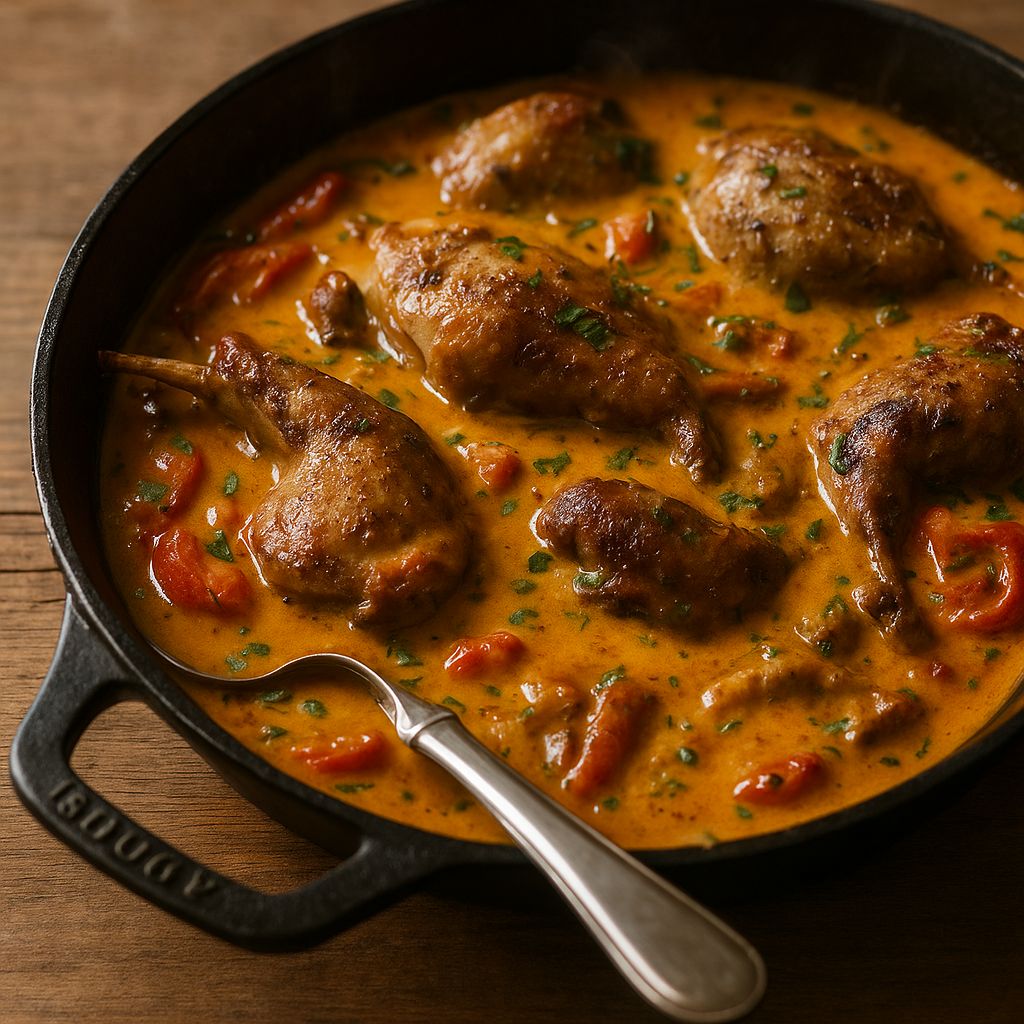
Understanding the major sauce traditions in cooking gives you a practical foundation that applies to hundreds of recipes. Steak sauces focus on bold, savory accompaniments for beef. Italian sauces range from simple tomato bases to complex meat ragus. French sauces codified the entire discipline of sauce-making into a system that professional cooks still learn today. Knowing where each tradition fits helps you cook more deliberately.
The organized framework of french mother sauces is worth understanding even if you’ll never work in a professional kitchen. These five foundational preparations underpin almost every sauce in classical European cooking. And the 5 french sauces in that system aren’t complicated once you see the logic behind them. This guide covers all three sauce traditions with enough depth to be genuinely useful.
Steak Sauces: Bold Companions for Beef
Classic Options
The most beloved steak sauces fall into a few categories. Peppercorn sauce, made from pan drippings, crushed black pepper, brandy, and cream, is a French-inspired classic that takes minutes to make and transforms an ordinary steak. Chimichurri is an Argentine herb-based sauce with olive oil, parsley, garlic, and vinegar that works especially well with grilled beef. Béarnaise is a classic French sauce for steak, but we’ll cover that under the mother sauce framework.
Bottled vs Homemade
Commercial steak sauces like A.1. use tomato paste, vinegar, Worcestershire, and spices to create a tangy, umami-forward condiment. They’re fine for everyday use. Homemade pan sauces made from the beef fond left after searing are faster than you’d think and produce far more nuanced results.
Italian Sauces: From Simple to Complex
The range of italian sauces is wide. Marinara is the simplest: crushed tomatoes, garlic, olive oil, and fresh basil. Amatriciana adds guanciale and Pecorino. Arrabbiata brings in chili for heat. Carbonara uses eggs, Pecorino, guanciale, and black pepper in an emulsified sauce that never contains cream in the authentic version.
More complex italian sauces include ragù alla bolognese, which we covered separately, and the various braised meat preparations of Southern Italy. The common thread across Italian sauce tradition is restraint: a small number of high-quality ingredients used well.
French Mother Sauces: The Five Foundations
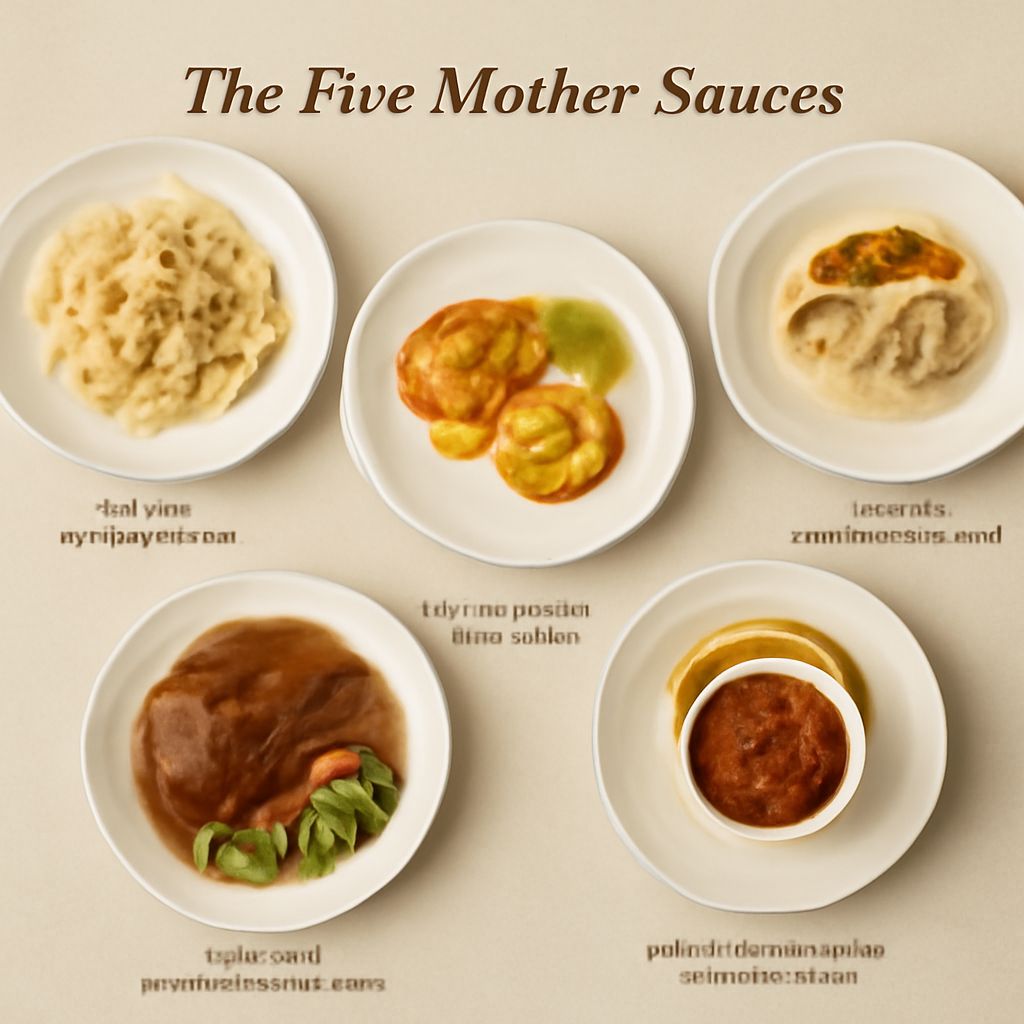
Auguste Escoffier codified the french mother sauces in the early 20th century. The system organizes the french sauces by their base liquid and thickener, with each mother sauce serving as the parent to dozens of derivative sauces.
The 5 french sauces are:
- Béchamel: Milk thickened with a white roux. The base for cream sauce, Mornay (with cheese), and soufflé preparations.
- Velouté: Light stock (chicken, fish, or veal) thickened with a blond roux. The base for supreme sauce and Allemande.
- Espagnole: Brown stock with tomato and a dark roux. The base for demi-glace, which is the foundation of classic French brown sauces.
- Sauce Tomat: Tomato-based sauce with stock and aromatics. The classical french sauces version, not Italian marinara.
- Hollandaise: Emulsified egg yolks and clarified butter. The base for béarnaise (tarragon hollandaise) and maltaise.
Applying This Knowledge
Understanding the french mother sauces helps you improvise. Know how to make a velouté and you can produce dozens of derivative sauces by changing the stock type and the finishing elements. The same logic applies to the other four.
The gap between steak sauces, italian sauces, and the classical French system isn’t as wide as it seems. They all follow the same underlying principles: a flavor base, a liquid, a thickener, and seasoning. The traditions differ in their specific techniques and regional ingredients, but the logic is universal.