Furikake seasoning is one of those pantry staples that earns its place the moment you try it. This Japanese dry condiment typically combines dried seaweed, sesame seeds, salt, sugar, and sometimes dried fish or egg. Together those ingredients create a savory, slightly sweet, toasty mix that transforms plain rice in seconds. Once you understand japanese seasoning like furikake, you’ll reach for it constantly.
The nori seasoning element in most blends adds an ocean-forward umami note that ties everything together. Whether you buy a premade blend or make your own furikake rice seasoning, the result is the same: a fast, no-cook flavor upgrade that works on far more than just rice. This guide breaks down what rice seasoning furikake actually is, how it’s made, and where to use it.
What Is Furikake Made Of?
Core Components
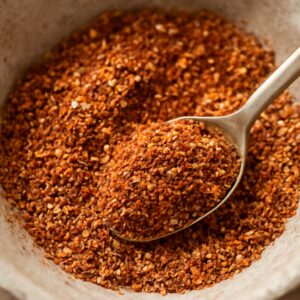
Most furikake blends contain nori (dried seaweed), sesame seeds, salt, and sugar as a base. From there the variations multiply. Some versions add katsuobushi (dried bonito flakes), others include dried egg, shiso leaf, or umeboshi plum. Each style has its own character and application.
Common Varieties
The most widely available type is nori komi furikake, which leans on the seaweed base for its flavor. Salmon furikake adds dried salmon for a richer, more savory profile. Wasabi furikake gives a nose-tingling kick. You can find most of these at Asian grocery stores or online.
How to Use Japanese Seasoning: Furikake in Your Kitchen
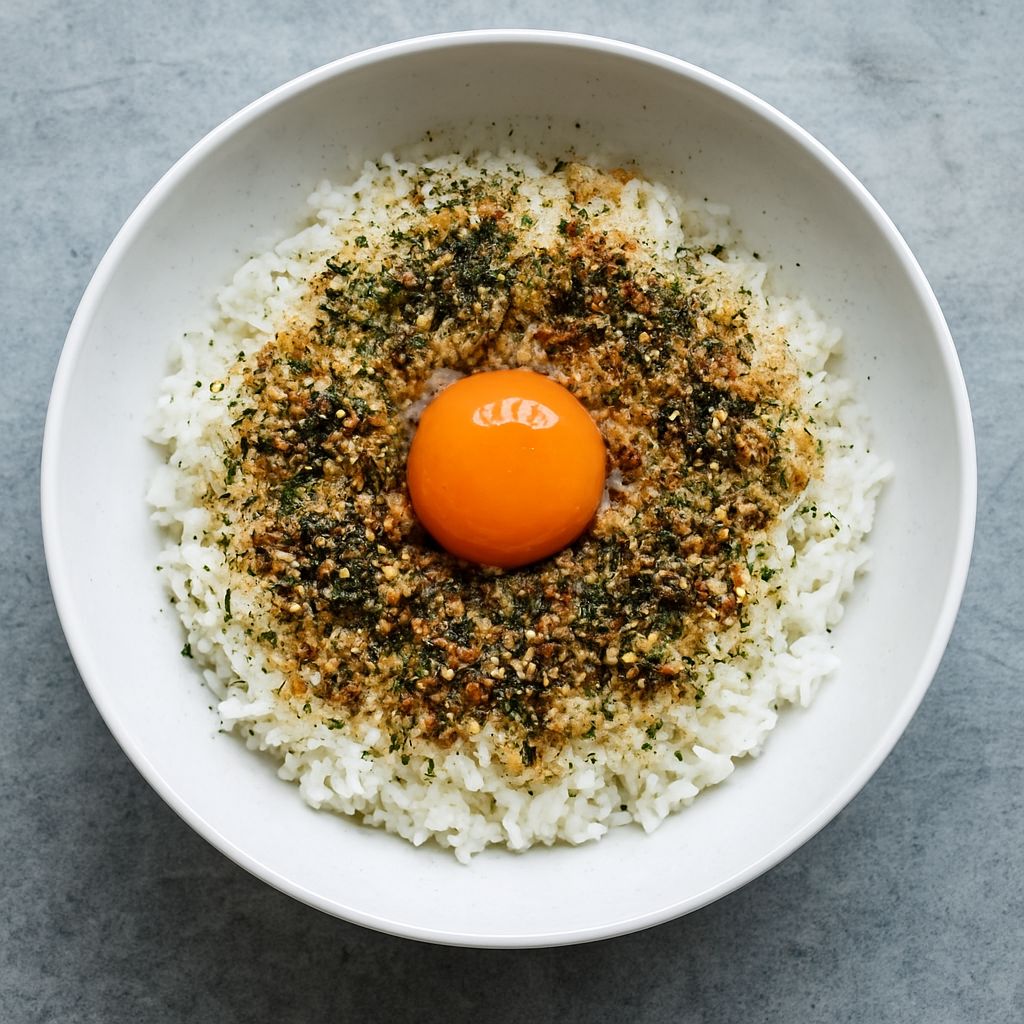
The simplest use is sprinkling furikake seasoning over a bowl of freshly steamed rice. The heat from the rice blooms the sesame seeds slightly and softens the nori, releasing more aroma. It’s a fast, satisfying finish that requires nothing else.
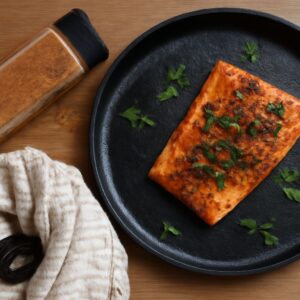
Beyond rice, this japanese seasoning works as a popcorn topping, a crust for fish or chicken before baking, a mix-in for avocado toast, and a finishing touch on roasted vegetables. Sprinkle it over scrambled eggs or use it to season plain noodles when you want flavor without much effort.
Making Your Own Nori Seasoning Blend
Homemade nori seasoning gives you full control over the salt level and ingredient quality. Start with sheets of nori, crumbled or cut into small pieces. Toast white and black sesame seeds in a dry pan until fragrant, then combine with the nori, a pinch of salt, and a small amount of sugar. That base is already functional.
From there you can add bonito flakes for depth, a pinch of citric acid for brightness, or a little shiso powder for an herbal note. Store the finished blend in a small airtight jar away from moisture. Heat and humidity are the enemies of any dry spice blend.
Furikake Rice Seasoning: Getting the Most from Every Serving
Furikake rice seasoning works best when applied right before eating, not during cooking. Add it to freshly cooked rice as you’re plating, or let each person season their own bowl. Pre-seasoning a pot of rice can result in uneven distribution and the sesame seeds may lose their crunch.
For onigiri (rice balls), mix a small amount of furikake directly into the rice before shaping. The seasoning distributes through each bite that way, which gives you consistent flavor throughout the rice ball rather than just on the outside.
Rice Seasoning Furikake Beyond Rice
Rice seasoning furikake earns its name, but thinking of it only as a rice topping limits what it can do. Use it as a salad topping instead of croutons. Mix it into cream cheese for a savory spread. Stir it into butter and spread that on corn on the cob. The sesame and seaweed notes pair well with almost anything savory.
Pro Tips Recap
Add furikake at the end of cooking, not during. Store your blend in an airtight container away from heat. Start with a light hand and build up to your preferred level of seasoning. If you make your own, toast the sesame seeds first for deeper flavor. And try it on at least one thing that isn’t rice this week.