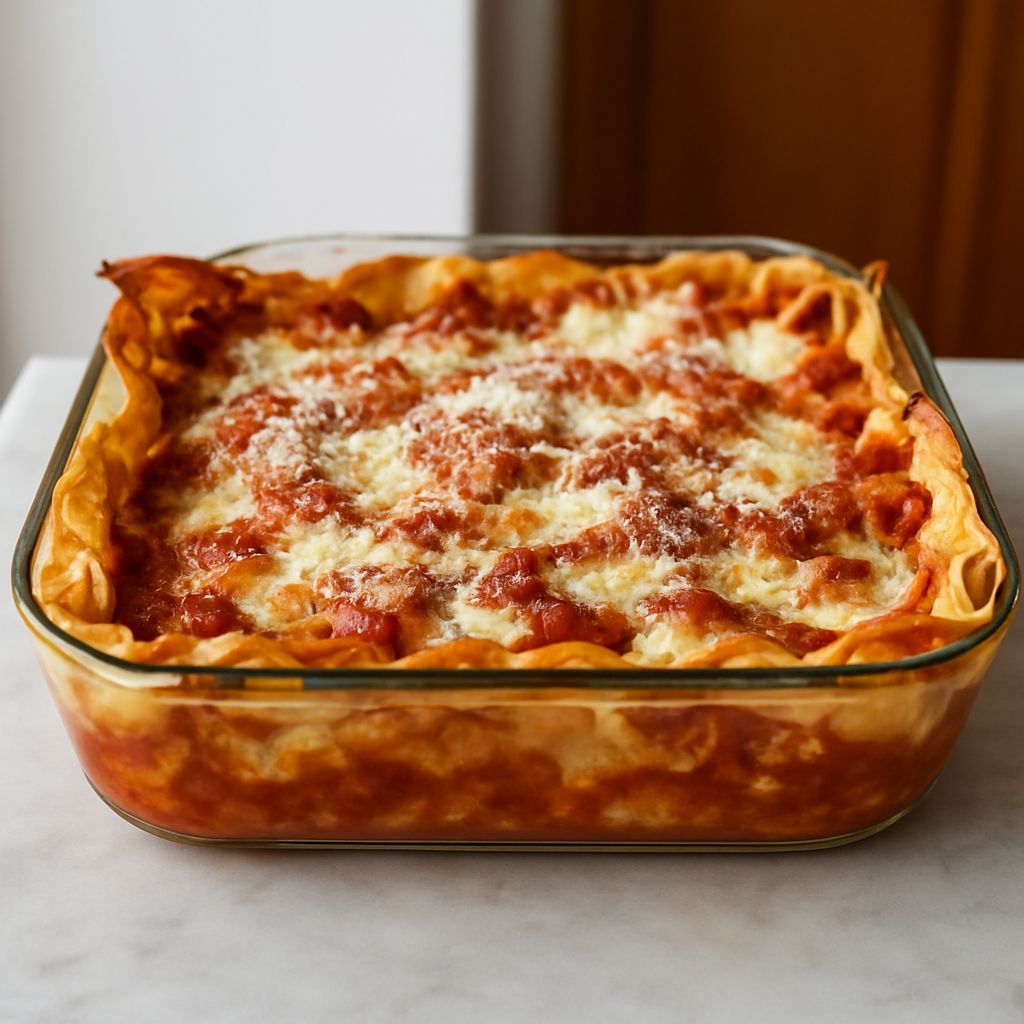
A great lasagna sauce recipe does most of the heavy lifting in the dish. The noodles and cheese are straightforward. The sauce is where the flavor lives. A proper homemade lasagna sauce is richer, more layered, and far better than anything from a jar. You control the seasoning, the acidity, and the depth of flavor from the start.
Whether you want a classic meat-based sauce for lasagna or a pure tomato marinara, the process is similar. Getting the aromatics right and giving the sauce enough time to simmer makes all the difference. Use a best lasagna sauce formula that works for your taste and you’ll build the same dish every time. This guide covers how to make lasagna sauce step by step, with options for both meat-based and meatless versions.
Starting with Aromatics
Every good tomato sauce starts the same way. Heat olive oil in a wide, heavy-bottomed pan over medium heat. Add diced onion and cook for five to six minutes until soft. Add minced garlic and cook for another minute. Don’t rush this step. Properly cooked aromatics form the flavor base that everything else builds on.
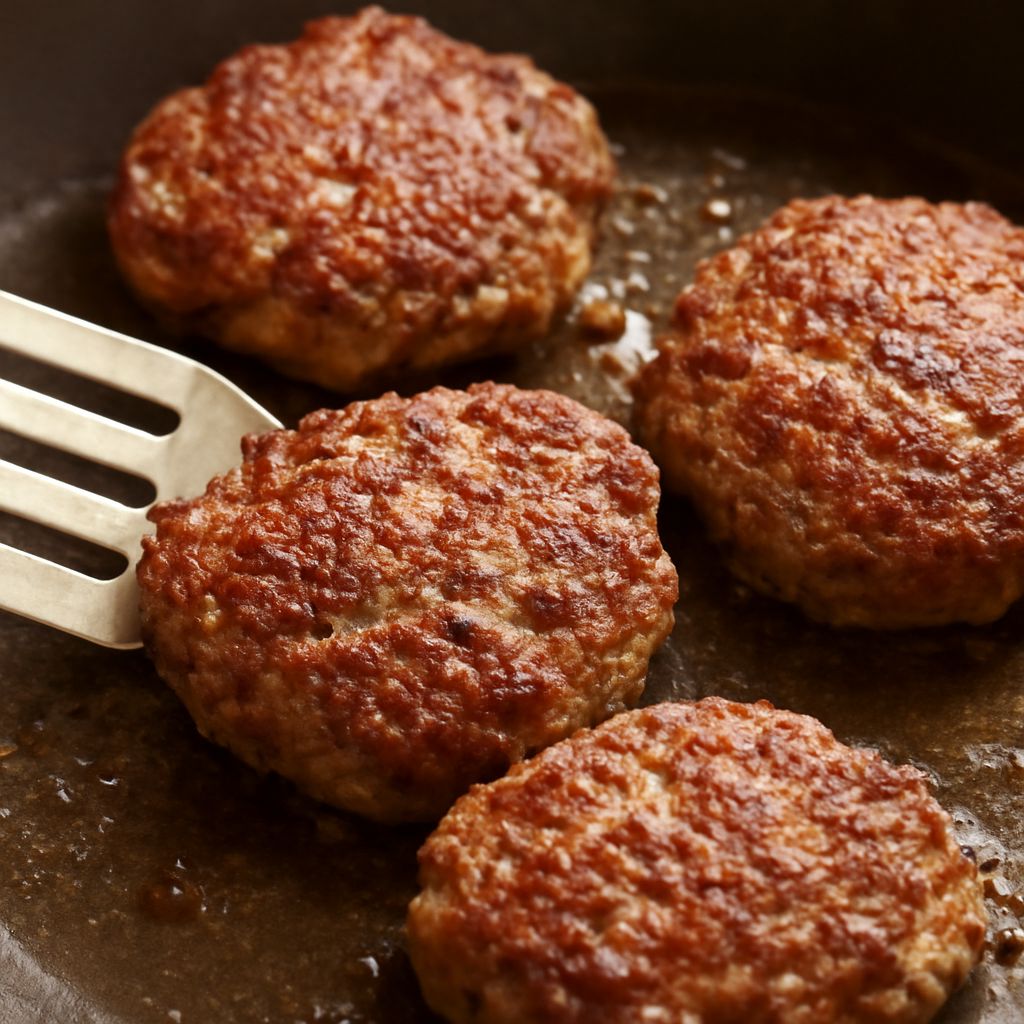
If you’re making a meat version of this lasagna sauce recipe, add ground beef, pork, or a mixture of both after the aromatics soften. Break the meat up with a wooden spoon and cook until browned through with no pink remaining. Drain excess fat if there’s a significant amount pooling in the pan.
The Tomato Base
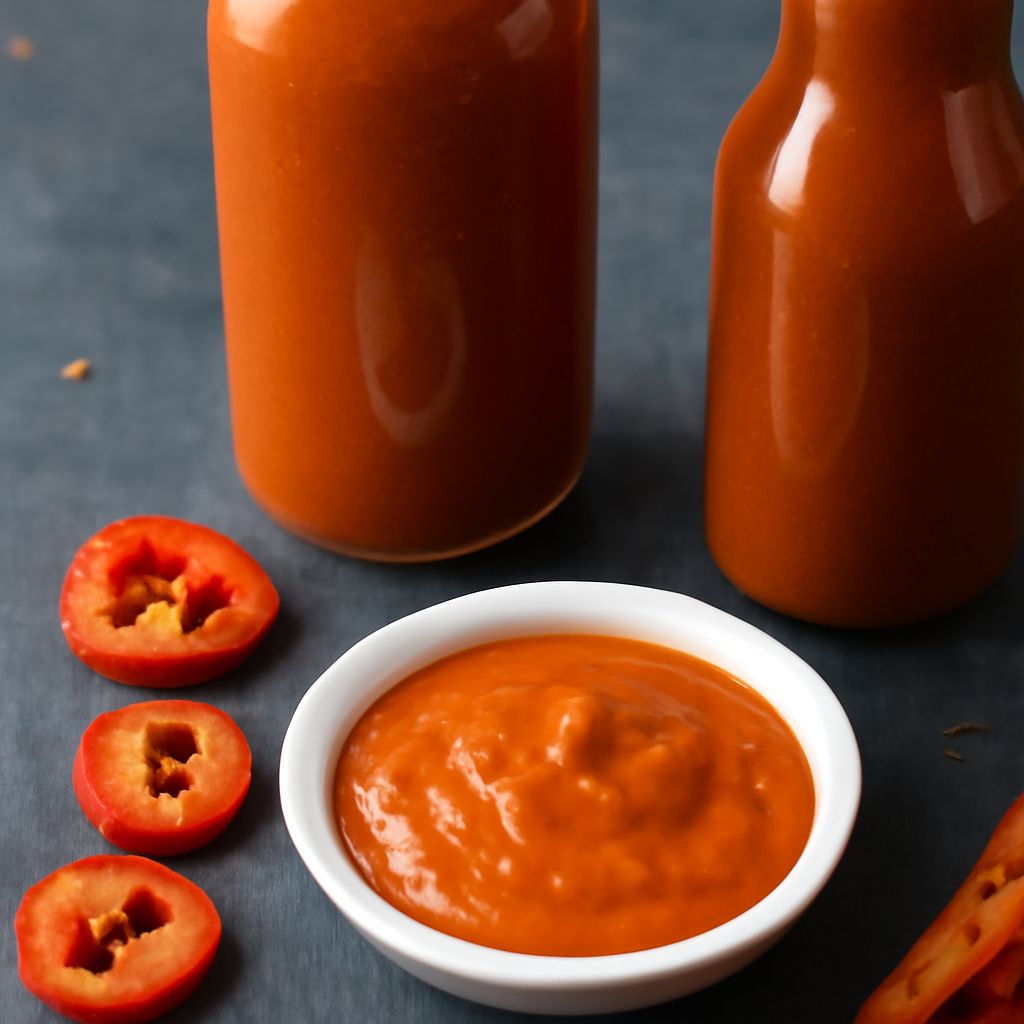
Crushed San Marzano tomatoes make the best base for homemade lasagna sauce. They have lower acidity and a naturally sweet flavor that reduces well. Use a 28-ounce can as your starting point. Add a 14-ounce can of diced tomatoes for texture, or a small amount of tomato paste for concentrated richness.
Stir everything together and add your dried herbs: a teaspoon of dried oregano, a teaspoon of dried basil, and a pinch of red pepper flakes. A small amount of sugar, about half a teaspoon, balances the acidity of the tomatoes. Taste at this stage and adjust salt before the long simmer begins.
Simmering for Depth
This is where a solid sauce for lasagna separates itself from a mediocre one. Reduce heat to low and let the sauce simmer uncovered for at least 45 minutes, ideally an hour or more. The liquid evaporates, the tomatoes break down further, and the flavors concentrate and merge. Stir every 10 to 15 minutes to prevent sticking.
The finished sauce should be thick enough to hold its shape when spooned. It should not run freely across the pan. A sauce that’s too thin makes the lasagna layers slide and the assembled dish won’t hold its structure when cut.
Seasoning the Best Lasagna Sauce
Taste the best lasagna sauce near the end of the simmer and make final adjustments. More salt if it tastes flat. A pinch more sugar if it’s still sharp. A torn fresh basil leaf added in the last five minutes adds a bright, aromatic note that dried basil can’t replicate. Remove the basil before layering.
Meatless Version
A meatless sauce for lasagna can be just as satisfying. Replace the ground meat with finely diced mushrooms, zucchini, or eggplant sautéed in olive oil until tender. The vegetables add body and absorb the tomato flavors during the long simmer. Lentils are another excellent option for a hearty, protein-rich meatless version.
How to Make Lasagna Sauce Ahead
Knowing how to make lasagna sauce a day or two in advance is a real time-saver. The sauce improves overnight as the flavors continue to meld in the refrigerator. Store it in a sealed container for up to four days, or freeze it for up to three months. Bring it to room temperature before assembling the lasagna so the layers heat evenly during baking.
Key Takeaways
Build the aromatics first and brown the meat thoroughly. Simmer the sauce long enough to thicken and concentrate the flavors. This homemade tomato base beats store-bought every time and can be made days ahead to save time on assembly day.