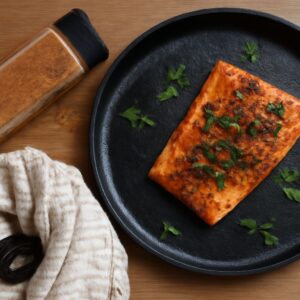
A fish seasoning recipe built from the right combination of spices and herbs transforms a plain fillet into something memorable. Good fish seasoning does not mask the natural flavor of the fish; it supports and complements it. A pork seasoning recipe follows a different logic because pork is a richer, fattier protein that can handle more assertive spices. Grilled fish seasoning needs to balance delicate aromatics with enough body to hold up to direct heat. Seasoning fish correctly means understanding the protein’s moisture content, fat level, and cooking method before you assemble your spice blend.
This guide covers both proteins with practical blends and application tips you can use immediately.
Fish Seasoning Recipe: Core Principles
Fish is lean and delicate. It cooks fast and has a mild flavor that disappears under heavy seasoning. A good fish seasoning recipe should include salt, a mild acid indicator like lemon zest or citric acid powder, and herbs that do not overpower. Paprika adds color and a subtle warmth. Garlic powder contributes background depth. Dried dill, thyme, or parsley add freshness without sharpness. Avoid overly pungent spices like cumin or heavy curry blends on delicate white fish; they make the protein taste like a supporting actor in a dish that should star the fish itself.
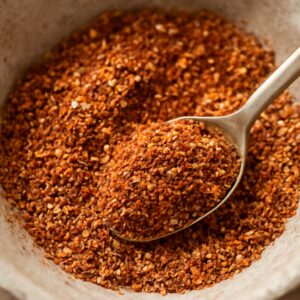
A reliable all-purpose fish seasoning recipe: one teaspoon of paprika, one teaspoon of garlic powder, half a teaspoon of dried dill, half a teaspoon of dried thyme, half a teaspoon of onion powder, a quarter teaspoon of cayenne, and one teaspoon of salt. Mix and store in a small jar. Use one teaspoon per fillet, rubbed evenly over the surface about five minutes before cooking. Good fish seasoning applied at the right time makes a difference you can taste.
Grilled Fish Seasoning for Direct Heat
Grilled fish seasoning differs from a pan-fry blend in that it needs to hold up to direct flame without burning before the fish is cooked through. Use slightly less cayenne and add a pinch of brown sugar to encourage caramelization without charring. Apply the blend to oiled fish fillets or steaks. Let the fish sit at room temperature for 10 minutes after seasoning before putting it on the grill. Cold fish contracts on contact with high heat and releases moisture, which washes away the seasoning.
For seasoning fish on a grill, thicker cuts like salmon steaks or swordfish accept more robust seasoning than thin tilapia or sole. Adjust quantities based on the thickness and fat content of the fish you are cooking.
Pork Seasoning Recipe for Versatile Use
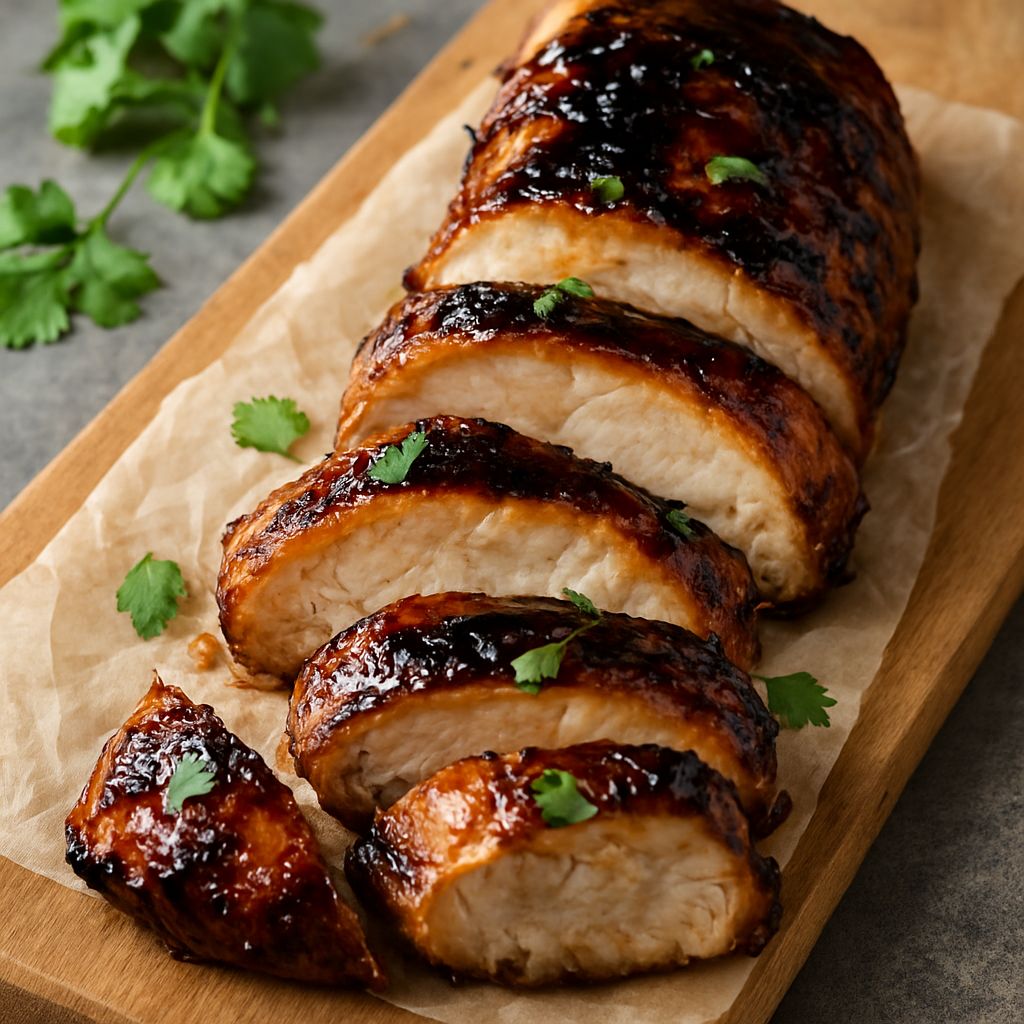
A pork seasoning recipe needs to balance salt, smoke, and warmth against pork’s natural sweetness. The foundation: two teaspoons of salt, one teaspoon of smoked paprika, one teaspoon of garlic powder, one teaspoon of onion powder, half a teaspoon of dried thyme, half a teaspoon of black pepper, and a quarter teaspoon of cayenne. This pork seasoning works across chops, tenderloin, shoulder, and ribs.
For a sweeter profile suited to pulled pork or ribs, add half a teaspoon of brown sugar and increase the smoked paprika to one and a half teaspoons. For a more herb-forward direction that suits loin roasts, swap the thyme for equal parts rosemary and sage. A well-designed pork seasoning recipe gives you a starting point that adapts across different cuts and cooking methods without needing a separate blend for each application.
Application Timing Matters
Apply seasoning at least 15 minutes before cooking for thinner cuts. Thicker cuts benefit from a 1-hour rest with the rub applied, allowing the salt to draw out surface moisture and then reabsorb it into the meat. For overnight marination, reduce the salt slightly to avoid over-curing. Pat the surface dry before cooking for both fish and pork to get the best sear. Wet surfaces steam rather than caramelize, and caramelization is where flavor develops most.