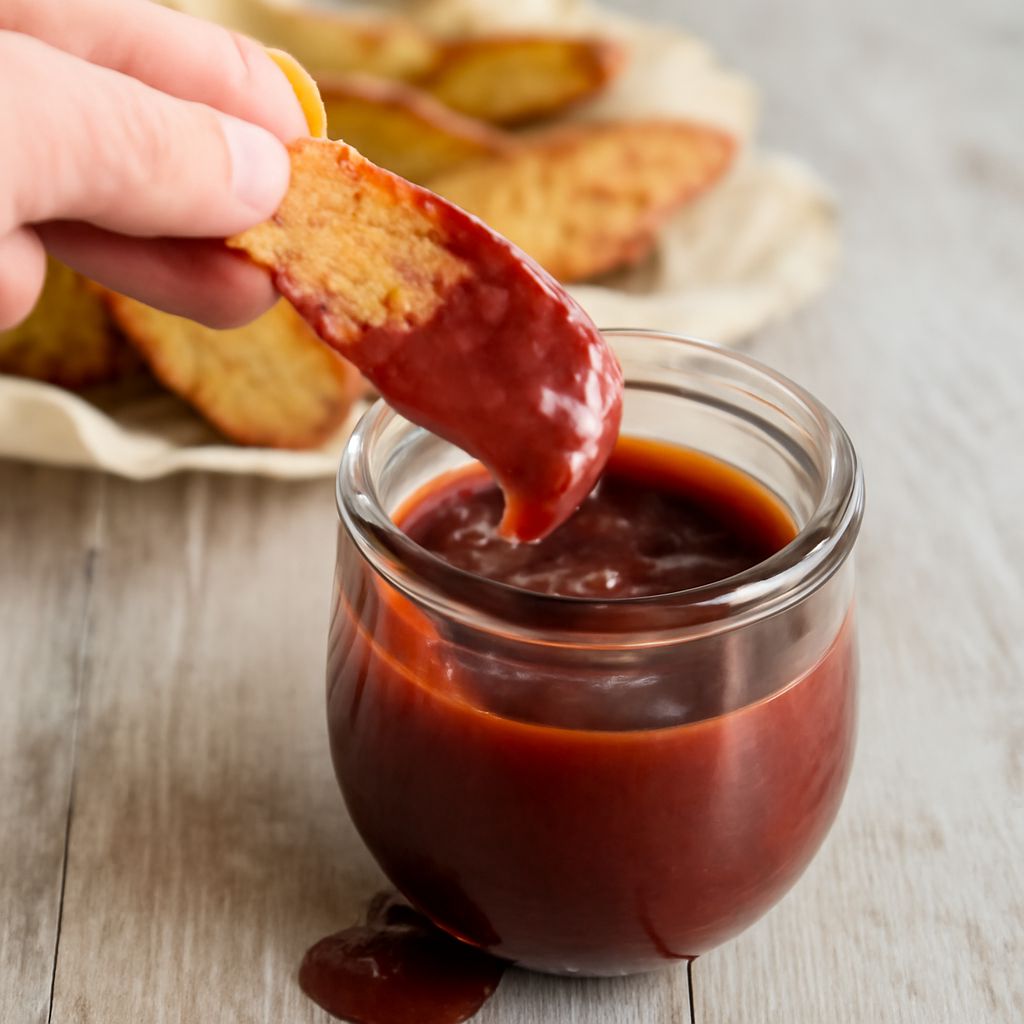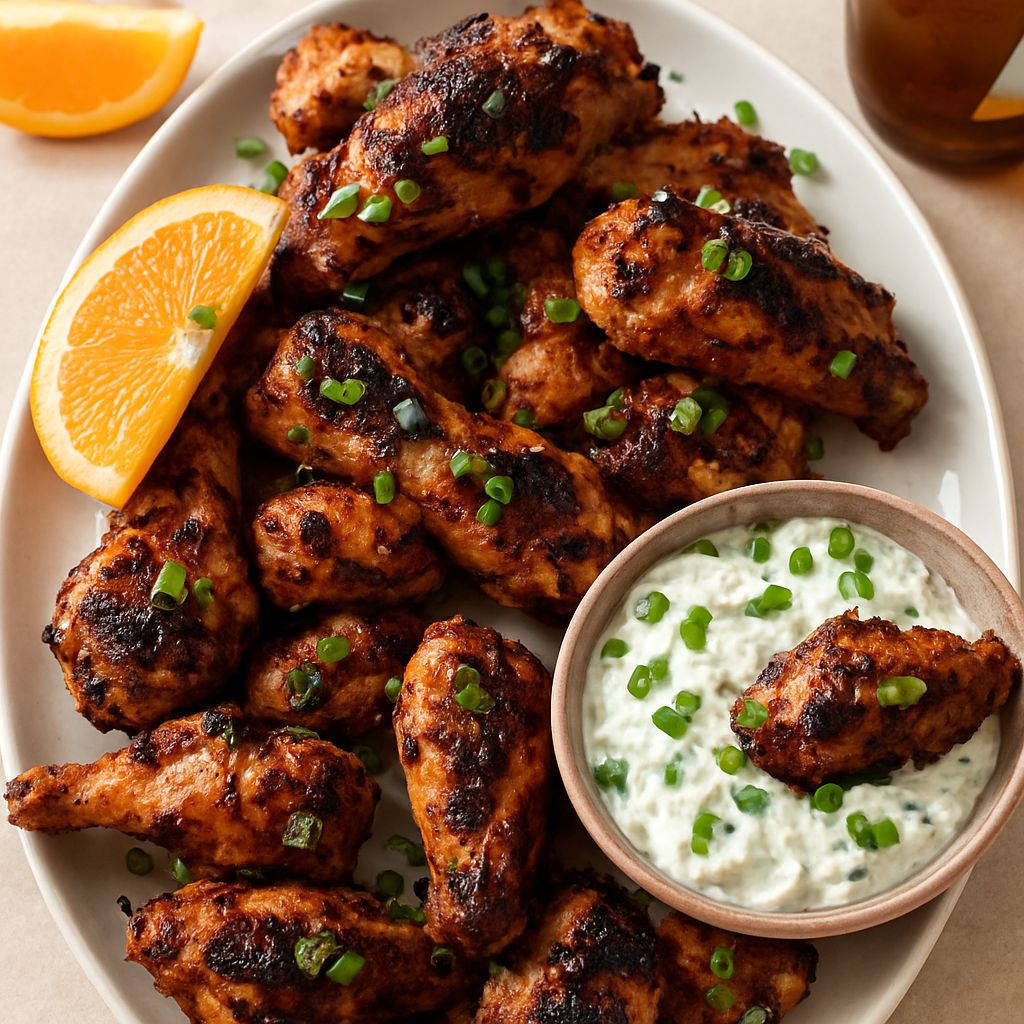
Chicken wing sauce is not complicated, but it is specific. The balance of heat, butter, and acid determines whether wings are worth eating or just something to dip in ranch and forget about. A good sauce for wings goes beyond bottled hot sauce mixed with butter. It has depth. Sauces for chicken wings range from classic Buffalo to honey garlic, teriyaki, and Korean-style gochujang glazes, each requiring a slightly different approach. Understanding how to make chicken wing sauce at the foundation level gives you the ability to adapt any variation that comes after. A wing sauce recipe from scratch takes about ten minutes and costs far less than commercial alternatives with far better results.
The Base: Butter and Hot Sauce Ratio
Classic Buffalo-style chicken wing sauce starts with two parts hot sauce to one part unsalted butter. Melt the butter over low heat, then whisk in the hot sauce off the heat. Do not boil this mixture. High heat breaks the emulsion and leaves you with a greasy, separated sauce rather than a smooth, clingy coating. Frank’s RedHot is the traditional choice, but any cayenne-based hot sauce works. The butter carries the heat and fat, and the result clings to fried or baked wings in exactly the way you want sauce for wings to cling.
Add a teaspoon of white vinegar for brightness, half a teaspoon of garlic powder, and a small pinch of salt. Taste and adjust. This ratio is the baseline from which every other sauces for chicken wings variation starts.
How to Make Chicken Wing Sauce: Step by Step
Melt four tablespoons of unsalted butter in a small saucepan over low heat. Remove from heat. Whisk in half a cup of hot sauce, one teaspoon of white vinegar, half a teaspoon of garlic powder, and a quarter teaspoon of cayenne for additional heat. Stir well. Keep warm over the lowest heat setting until the wings are ready. Toss freshly cooked wings in the sauce immediately before serving. This is the core of how to make chicken wing sauce that works across all serving situations.
For a thicker coating, add a teaspoon of honey or a half teaspoon of cornstarch dissolved in a tablespoon of water to the warm sauce before tossing. The honey adds a slight sweetness that rounds out the sharpness. The cornstarch thickens the sauce so it coats rather than drips.
Wing Sauce Recipe Variations
A wing sauce recipe from scratch becomes more versatile when you understand how to shift the flavor profile. For honey garlic, replace the hot sauce with a mix of soy sauce, honey, minced garlic, and a splash of rice vinegar. For teriyaki, combine soy sauce, mirin, sake, sugar, and a small amount of cornstarch slurry. For Korean gochujang wings, use gochujang paste as the base, thinned with sesame oil, soy sauce, honey, and rice vinegar.
Each of these wing sauce variations follows the same logic as the Buffalo base: fat plus acidity plus seasoning equals a balanced coating. The chicken wing sauce category is wide, but the technique stays consistent.
Applying Sauce Correctly
Sauce goes on wings immediately after cooking while the surface is still hot. Hot surfaces accept sauce more effectively than cool ones, and the sauce tightens slightly as it hits the warm wing. Toss in a large bowl, not the pot, to coat every surface evenly. For extra saucy wings, toss twice, letting the first coat set for 30 seconds before adding the second. Serve immediately after tossing because the coating softens the exterior as it sits.