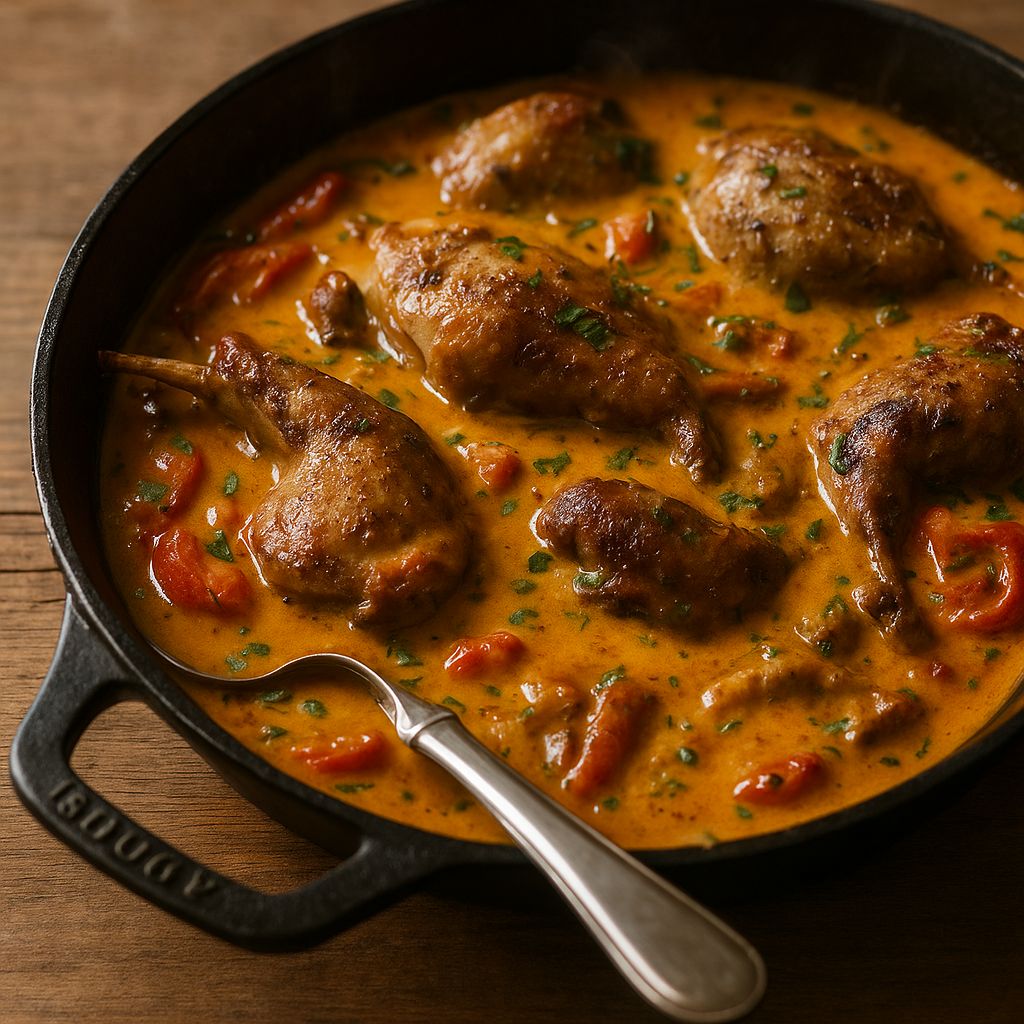
A well-made rabbit stew recipe produces meat that is tender, mildly flavored, and deeply satisfying. Rabbit is lean, low in fat, and takes on the flavors of braising liquid exceptionally well. Good rabbit stew recipes share a common structure: brown the meat, build a flavorful base, and braise low and slow until the connective tissue breaks down into a silky sauce. What some call a bunny stew is one of the oldest European country dishes, still prepared in French, Italian, and Spanish kitchens with minimal variation from their traditional forms.
If you know how to make rabbit stew, you can apply the same method to chicken, which behaves similarly in long braises. Understanding how to cook rabbit stew well requires patience more than skill.
Choosing and Preparing the Rabbit
Domestic vs. Wild Rabbit
Domestic rabbit is milder and more tender than wild. Wild rabbit requires a longer braise and benefits from marinating overnight in wine or buttermilk to moderate the stronger flavor. For a first rabbit stew recipe attempt, start with domestic rabbit from a butcher or specialty market. Ask for it cut into serving pieces: legs, saddle, and rib sections.
Soaking the Meat
Some rabbit stew recipes call for soaking the pieces in cold salted water for an hour before cooking. This draws out blood and lightens the flavor. It is optional with domestic rabbit but recommended for wild. Pat the pieces completely dry before browning; moisture prevents proper searing.
Building the Stew Base
Season the rabbit pieces with salt and pepper. Brown in batches in a Dutch oven with olive oil over medium-high heat, two to three minutes per side. Remove and set aside. In the same pot, cook one diced onion, two diced carrots, and two celery stalks for five minutes. Add four minced garlic cloves and cook for one more minute. Add two tablespoons tomato paste and stir for ninety seconds. Pour in one cup dry white wine and scrape up any browned bits.
The Braise
Return the rabbit pieces to the pot. Add two cups of chicken broth, a bay leaf, fresh thyme, and fresh rosemary. The liquid should come about halfway up the sides of the meat. Bring to a gentle simmer, cover, and braise over the lowest heat possible for one hour and thirty minutes to two hours. This is how to make rabbit stew that is genuinely tender rather than tough or stringy. Check periodically and add more broth if the liquid reduces too much.
Finishing the Sauce
Remove the rabbit and set aside. Discard the bay leaf. Increase the heat under the pot to medium and reduce the braising liquid by about a third. This concentrates the flavors and thickens the sauce naturally. Taste and season. Return the rabbit to the pot and serve directly from the Dutch oven. The finished sauce should cling lightly to the meat and have a deep, savory aroma. This is the endpoint of how to cook rabbit stew correctly.
Serving and Storage
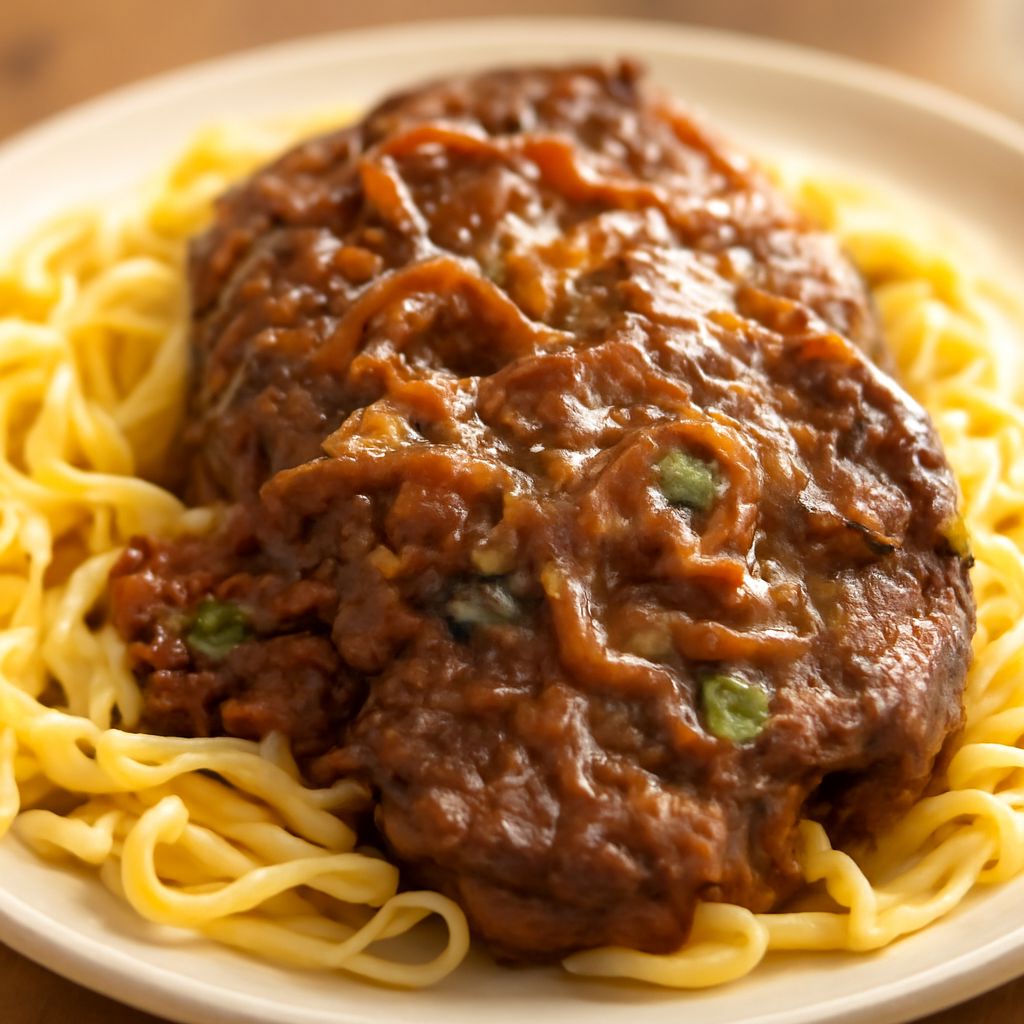
Rabbit stew goes well over polenta, egg noodles, mashed potatoes, or crusty bread for mopping up the sauce. It reheats well and improves overnight as the flavors continue to develop. Store refrigerated for up to three days. The bunny stew freezes well for up to two months if you remove the meat from the bones before storing.