Frying catfish is a culinary delight that brings rich flavors and crispy textures to your seafood table. Mastering this art not only elevates your seafood dishes but also brings a touch of Southern charm to your meals. With expertise in perfecting the frying catfish technique, you can achieve a golden crust and succulent interior every time. This guide will walk you through the best practices for catfish fry, from choosing the right oil to mastering catfish breading, ensuring a delicious dining experience.
Introduction to Fried Cat
Fried cat, more commonly known as fried catfish, is a staple in Southern cuisine. Renowned for its crispy exterior and tender, flavorful meat, it is a dish beloved by seafood lovers everywhere. This delicious seafood recipe can be prepared easily at home with the right know-how. In this article, we will delve into the essential techniques and tips required to fry catfish to perfection.
Perfecting the Frying Catfish Technique
The frying catfish technique is pivotal to achieving that perfect crispiness without sacrificing flavor. Begin by ensuring your catfish fillets are fresh and properly thawed. Pat them dry to remove excess moisture, which can cause the oil to splatter and result in a less crispy crust. Use a heavy skillet or deep fryer to maintain even heat distribution, which is crucial for consistent cooking.
When it comes to frying, maintaining the right temperature is key. Frying catfish at 350°F allows the breading to crisp evenly while ensuring the fish remains moist and flavorful inside. Overcrowding the pan can lower the oil temperature, so fry in batches if necessary to maintain the ideal cooking environment.
The Art of Catfish Fry
Achieving the perfect catfish fry involves a few critical steps, each contributing to the final dish’s taste and texture. Understanding these steps will help you replicate this beloved southern tradition in your kitchen.
Choosing the Right Oil
The choice of oil can significantly impact the flavor and texture of your fried catfish. Opt for oils with a high smoke point, such as peanut oil or canola oil, as they maintain stability at high temperatures required for frying. These oils also impart a mild flavor, allowing the natural taste of the catfish to shine.
Temperature Tips
As mentioned earlier, the correct temperature for frying is 350°F. Use a kitchen thermometer to monitor the oil’s temperature accurately. Consistency is key, and maintaining this temperature ensures a perfect fry. If the oil is too hot, the breading may burn before the fish cooks through; too cold, and the catfish will absorb excess oil, becoming greasy.
Serving Suggestions
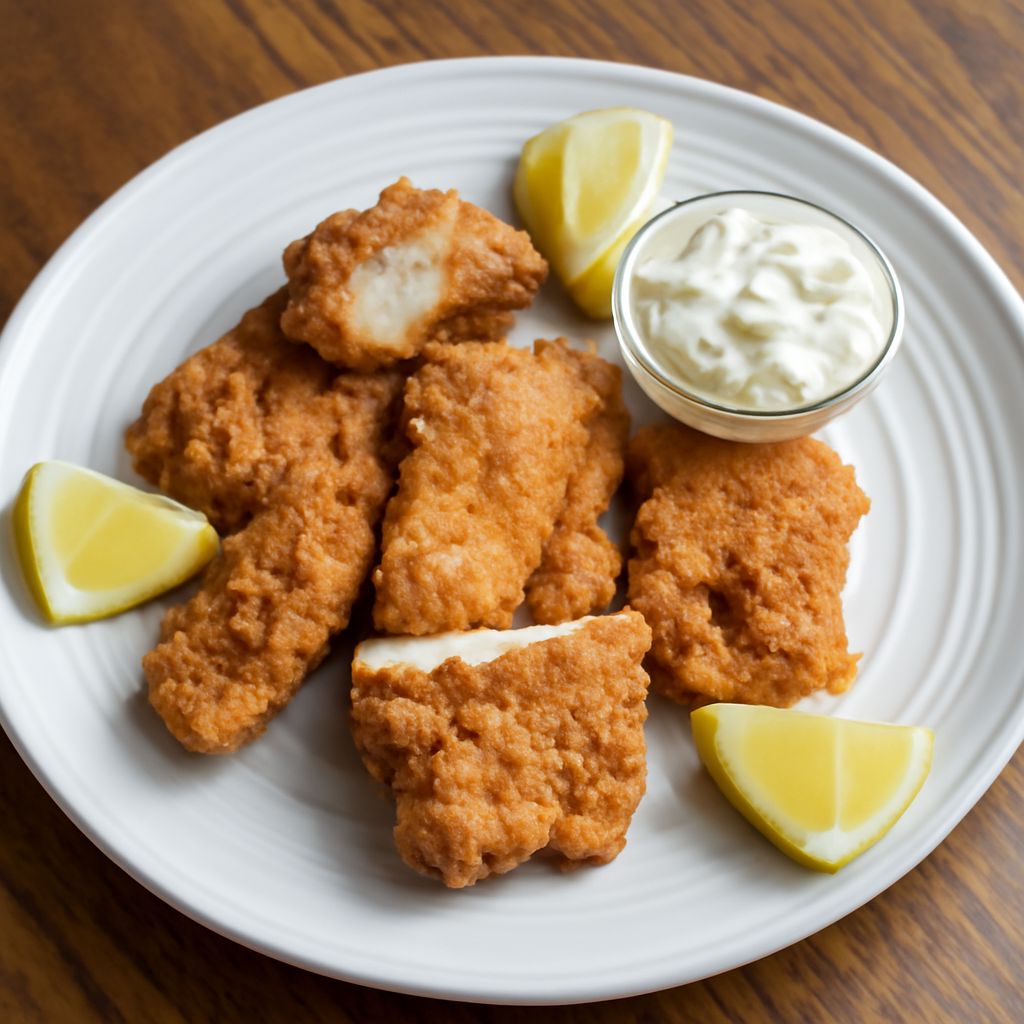
Once your catfish fry is golden and crispy, serve it immediately for the best texture. Pair your fried catfish with classic Southern sides like coleslaw, hush puppies, or cornbread. A squeeze of fresh lemon enhances its flavor, while tartar sauce or a spicy remoulade can add a delightful contrast to the dish.
Mastering Catfish Breading
The breading process is essential to creating the iconic crispy crust associated with fried catfish. Start by dredging the fillets in seasoned flour, followed by a dip in buttermilk to add moisture and tang. Finally, coat the fillets in cornmeal or a cornmeal-flour mixture to achieve the desired crunch. Season the cornmeal with paprika, cayenne, salt, and pepper for an extra flavor boost.
The key to catfish breading is to let the coated fillets rest for a few minutes before frying. This step allows the breading to adhere better, resulting in a more cohesive crust that won’t fall apart during cooking. Remember, practice makes perfect, so don’t hesitate to adjust seasonings to suit your personal taste.
Conclusion
Frying catfish to perfection is an art that combines technique, timing, and quality ingredients. By mastering the essential steps of the frying catfish technique and perfecting your catfish breading, you can create a dish that’s both flavorful and satisfying. Whether you’re hosting a family dinner or looking to impress guests, fried catfish is a versatile and delicious choice that celebrates the rich culinary traditions of the South.