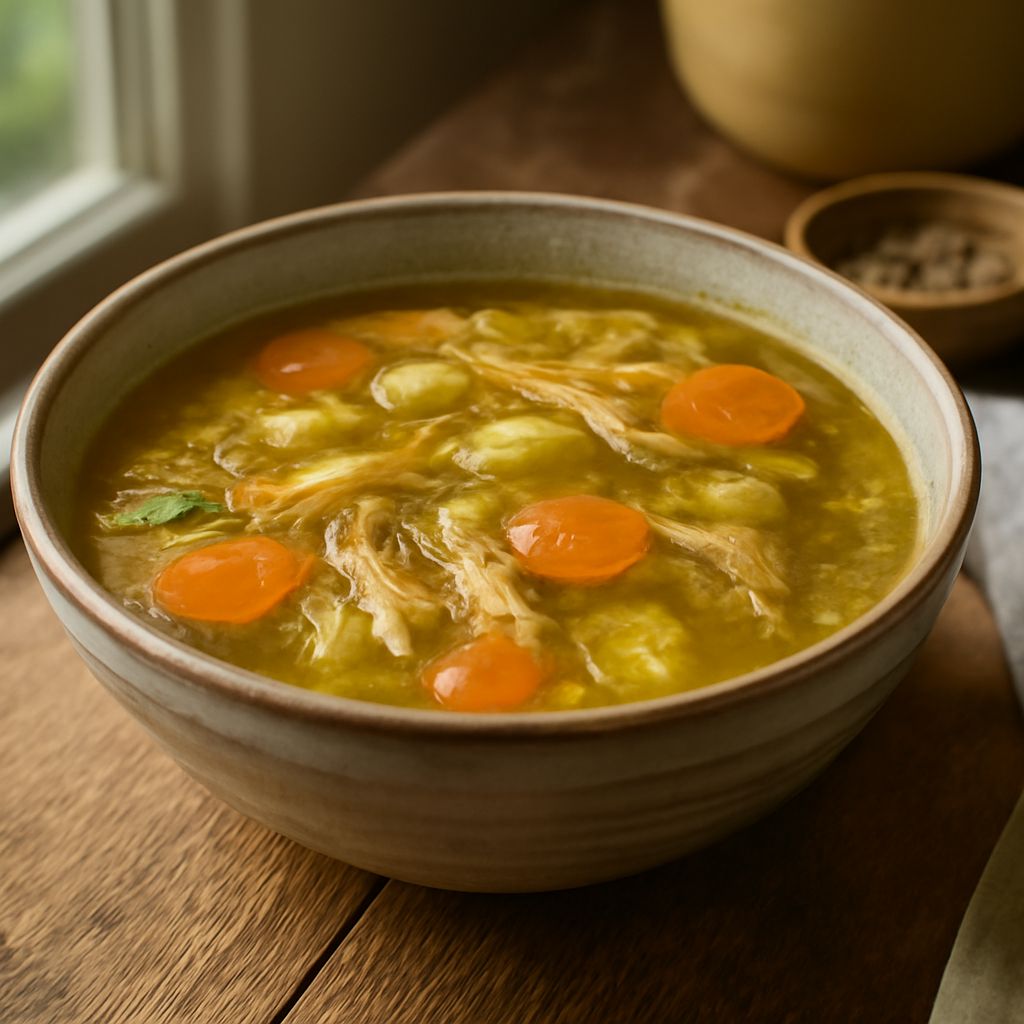
For those seeking a nourishing staple brimming with nutrients and flavor, bone broth is an undeniable choice. Understanding how long to cook bone broth is key to unlocking its full potential. Proper simmering transforms simple ingredients into a rich, savory broth, delivering warmth and comfort with every sip.
Unlocking the secrets to a perfect bone broth means knowing the right cooking time. This careful timing ensures maximum extraction of flavor and nutrients, making it a powerhouse of health benefits and culinary delight.
Introduction to Bone Broth
Bone broth has been cherished in culinary traditions worldwide for centuries. It’s renowned not only for its deep, savory taste but also for its potential health benefits. The process involves simmering animal bones with vegetables, herbs, and spices, which extracts collagen and minerals into a flavorful liquid.
Whether used as a base for soups, stews, or simply sipped on its own, bone broth provides a comforting, nutrient-dense experience. The key lies in understanding how long to simmer bone broth to achieve the best results.
Why Simmering Time Matters
Simmering time is an essential factor in determining the quality of bone broth. A long, slow simmer allows the breakdown of nutrients such as collagen, amino acids, and minerals, which are released from the bones into the broth.
Too short a cooking time, and you might miss out on these vital nutrients. Conversely, overcooking can lead to a loss of flavor or even a bitter taste. Achieving the right balance is crucial to perfecting your broth.
How Long to Cook Bone Broth
The general guideline for cooking bone broth is to simmer it for a minimum of 12 to 24 hours. Beef bones, in particular, benefit from longer cooking times, allowing the marrow and connective tissue to break down fully. Chicken bones, being more delicate, can yield a rich broth in around 8 to 12 hours.
For those who prefer a more concentrated flavor, extending the simmering time up to 48 hours can enhance depth and richness. However, always monitor the liquid level, adding water if needed, to prevent burning.
Tips for Perfect Bone Broth
To make the perfect bone broth, start with high-quality bones. Grass-fed or organic options often provide better flavor and nutrient profiles. Roasting the bones before simmering can further intensify the taste.
- Deglazing: After roasting, deglaze the pan with a bit of water to capture those caramelized bits.
- Aromatics: Add onions, carrots, celery, garlic, and herbs like thyme or bay leaves for added complexity.
- Acid: A splash of apple cider vinegar helps draw minerals out from the bones.
Remember, patience is key. Allow the broth to cool slowly and skim off any fat for a clearer, more refined broth.
Storing and Using Bone Broth
Once your bone broth is ready, it’s essential to store it properly. Refrigerate it in airtight containers for up to five days, or freeze it for longer shelf life. Ice cube trays can be a convenient option for portioning the broth.
Bone broth is incredibly versatile. Use it as a base for soups, gravies, or risottos. It’s also a delicious and warming beverage on its own, perfect for nourishing the body and soothing the soul.