Embark on a culinary adventure with Tajin Morocco, a dish that transforms simple ingredients into a symphony of flavors. Known for its aromatic spices and tender, slow-cooked meats, the tagine is a staple in Moroccan cuisine that promises to tantalize your taste buds. This article will guide you through the rich history, essential ingredients, and traditional cooking techniques that make this dish a beloved favorite around the world.
Introduction to Tagine
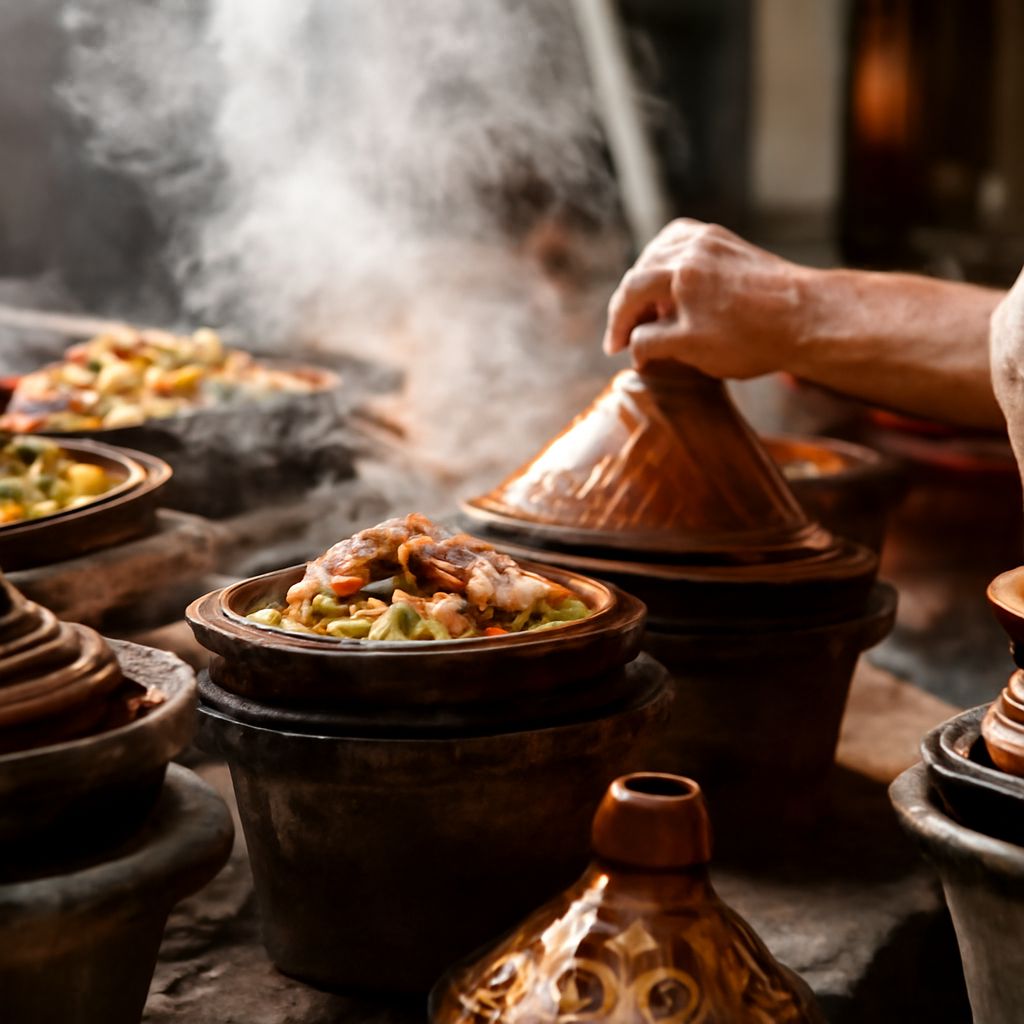
A tagine is not just a dish but an experience, deeply rooted in Moroccan culture. The word “tagine” refers both to the conical clay pot used for cooking and the savory stew that it produces. This unique cooking method ensures that meats and vegetables are imbued with the intense flavors of spices such as cumin, coriander, and saffron. With a heritage that spans centuries, the tagine remains an emblem of communal dining and culinary artistry.
History of Tajin Morocco
The origins of Tajin Morocco are steeped in history, tracing back to the Berbers, the indigenous people of North Africa. The tagine was designed to be portable and efficient, ideal for nomadic lifestyles. Over time, as the region became a crossroads of culture and trade, the dish incorporated influences from Arab, Mediterranean, and Andalusian cuisines. Despite these influences, the tagine retains its distinct identity as a symbol of Moroccan hospitality and tradition.
Ingredients and Preparation
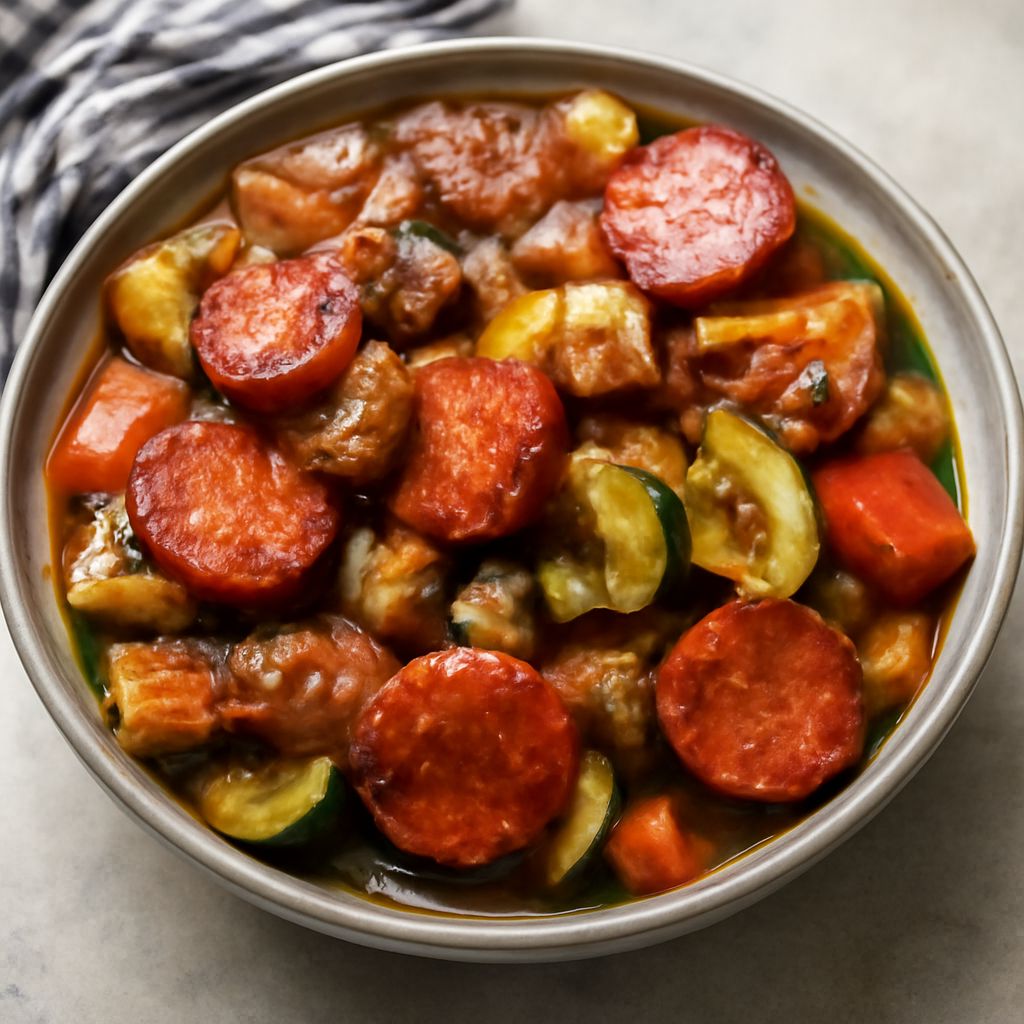
The magic of Tajin Morocco lies in its ingredients, which are as diverse as they are flavorful. The base often includes meats like lamb, chicken, or beef, combined with a medley of vegetables. Key to the dish are the spices: a mix of earthy and aromatic notes that define its character. Common additions include preserved lemons and olives, which provide a burst of tangy and salty flavors.
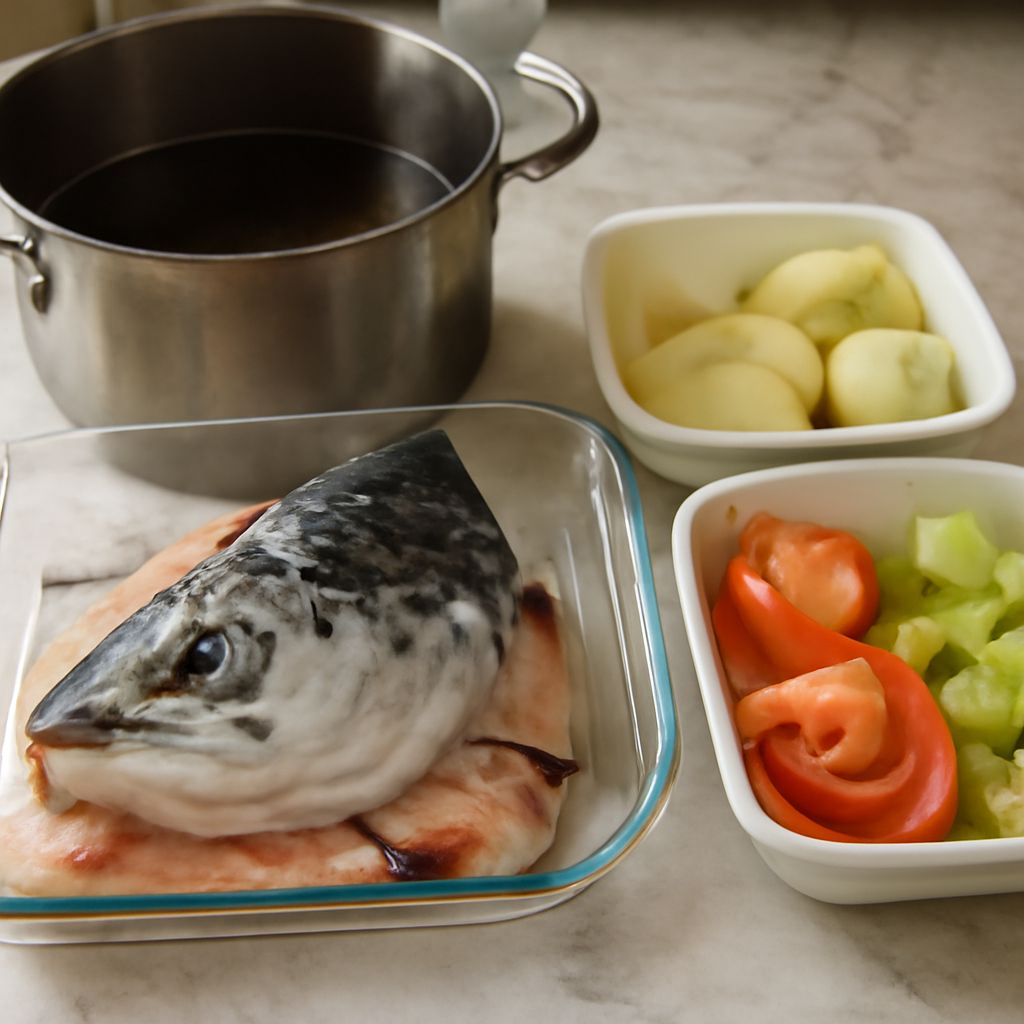
Preparation begins with marinating the meat in spices, allowing the flavors to meld. Vegetables are cut into bite-sized pieces to ensure they cook evenly. The tagine pot is used to layer these ingredients, creating a harmonious balance of textures and tastes. Traditional recipes often call for minimal water, relying instead on the natural juices of the ingredients to create a rich and fragrant sauce.
Cooking Techniques for Tagine
Cooking a tagine requires patience and care, as the goal is to achieve a tender, flavorful dish. The pot is designed to trap steam and circulate moisture, slowly cooking the ingredients. This method not only preserves nutrients but also enhances the depth of flavors.
For those without a traditional tagine pot, a Dutch oven or a slow cooker can be effective substitutes, replicating the low and slow cooking process. The key is to maintain a gentle simmer, ensuring that the spices and ingredients have ample time to develop their full potential. Adjustments can be made to the cooking time based on the type and cut of meat used, with tougher cuts benefiting from longer cooking to achieve melt-in-the-mouth tenderness.
Serving and Enjoying Your Tagine
Once the tagine is ready, it is typically served communally, allowing diners to savor the dish directly from the pot. Accompaniments like couscous, fresh bread, or rice are common, providing a perfect base to soak up the rich sauce. The communal aspect of dining is integral to the tagine experience, emphasizing shared enjoyment and conversation.
As you enjoy your homemade tagine, take a moment to appreciate its journey from the heart of Tajin Morocco to your table. This dish not only offers a taste of Moroccan culture but also a connection to a tradition that celebrates the art of slow cooking and the joy of shared meals.