Choose by the texture you want and the directions on the bag: both grits and polenta can make a comforting bowl of cooked corn, but their grains, processing, and traditions vary. The distinction between polenta and grits is easier to understand once you look at the particular product rather than its color alone.
Wondering whether polenta is just the same as grits? There is overlap, and either may stand in for the other in many meals. Yet a coarsely milled grain, a quick-cooking product, and hominy grits will behave differently in the pot. Give each its own cooking time and enough liquid to become tender.
Is Polenta the Same as Grits? Start With the Corn
Both names can refer to dried, milled corn cooked in liquid. Grits are closely associated with Southern foodways, including the contributions and traditions of Native and African American communities. Corn polenta is associated with Italian regional cooking, although the word polenta can also describe preparations made with other grains. Each has a life beyond the breakfast bowl or the side dish.
Is polenta the same as grits when you open the package? Sometimes the particles look remarkably similar; sometimes they do not. A miller may select a particular corn variety and grind it to a desired size, so a label alone cannot tell you exactly how the finished bowl will feel. Look at the ingredient list, the grind, and the preparation instructions together.
Are grits and polenta the same once cooked? They can both be creamy and spoonable, but a particular bag may give you a smoother porridge or more distinct grains. Flavor varies with the corn and processing, too. Butter and cheese are welcome in either, but taste the cooked grain before adding them and you will notice its own character.
The difference between grits and polenta often begins with the corn selected for milling. Some American grits are made from dent corn, while some Italian-style polenta is made from flint corn. Anson Mills describes these traditional choices and the effect of its own milling practices; other mills make different products.
Color, grind, and the feel of a spoonful
Grits and polenta are sold in more than one color. White or yellow corn can be milled for either, and other colors exist. Yellow may look especially sunny under a tomato sauce, while white makes a beautiful backdrop for shrimp, but color is not a reliable test of how long the grains will need to cook.
Particle size matters more directly at the stove. Smaller pieces generally hydrate more quickly; larger pieces may take longer to soften and can retain a pleasant bite. Milling and processing matter as well: quick-cooking or instant products are prepared differently from many traditional coarse meals. Two bags marked with the same name can call for quite different cooking times.
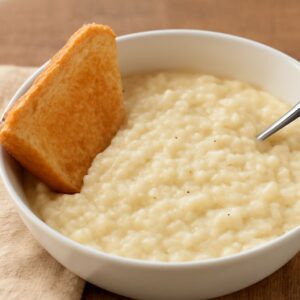
What is the difference between grits and polenta in a finished dish? Think of a range rather than two fixed textures. A finely milled product may become quite smooth; a coarser one may show separate grains in a creamy base. The amount of liquid and time on the stove also make a difference. You can keep either soft enough to spoon or cook it thicker for a firmer finish.
When comparing the texture of grits with polenta, follow the bag for the first batch. If the grains are tender but the mixture is too thick, whisk in a little hot water or stock. If it is looser than you like, simmer gently a little longer, stirring so the bottom does not catch. It will continue to thicken as it cools.
What hominy changes
Some grits are made from hominy: dried corn treated with an alkaline solution, then processed. This treatment, often called nixtamalization, changes the corn’s flavor and texture. Oldways explains hominy as alkali-treated dried corn. Other grits are milled from untreated corn; check the package rather than assuming that every bag is hominy.
Hominy grits can bring a distinctive savory corn flavor to the table. Untreated corn products offer their own range of flavors depending on the grain and mill. If you swap one for the other, expect a change in taste as well as a possible change in cooking time. Neither is a lesser choice; each gives the cook a different ingredient to work with.
Is polenta the same as grits made from hominy? A polenta made with untreated corn will not have undergone that alkaline treatment. The distinction matters when you want the flavor of hominy specifically, although both can make a delicious base for a saucy topping. Read the ingredient list if the package name leaves the treatment unclear.
How to cook a good pot
Start with a heavy saucepan and the liquid-to-grain ratio on your package. Water lets the corn flavor come through clearly; stock adds savoriness. You can finish with milk, butter, or cheese for richness, taking care to add dairy over gentle heat. Salt the cooking liquid according to your taste and the salt already present in any stock.
Bring the liquid to the temperature specified on the bag, then slowly whisk in the grains. A steady stream and a moving whisk help keep lumps from forming. Once the mixture has thickened, lower the heat and stir regularly, reaching into the corners of the pan. Thick corn porridge can bubble and spit, so use a long-handled spoon and keep the simmer gentle.
The cooking time for grits and polenta depends on the particular grind and processing. Instant versions may be ready quickly, while a coarse, traditionally milled product needs a longer simmer. Taste a small spoonful near the suggested time: the grains should be tender to your liking, with no unpleasantly hard center. Add hot liquid in small splashes if the pot thickens before the grains are ready.
For a concrete example, Oldways’ creamy polenta recipe cooks whole-grain corn with liquid, stirring as it thickens. Treat it as guidance for that kind of product, and let your own package and the texture in your saucepan guide the final timing. A lid can reduce splattering, but lift it and stir often enough to prevent sticking.
Can you substitute one for the other?
Yes. Are grits and polenta the same for every recipe? No, but a bowl of tender corn can often play the same supporting role. Spoon the substitute under braised meat, vegetables, mushrooms, or a tomato sauce. Choose a similar grind if you want a comparable texture, and use the substitute package’s liquid ratio and cooking time instead of copying those from the original recipe.
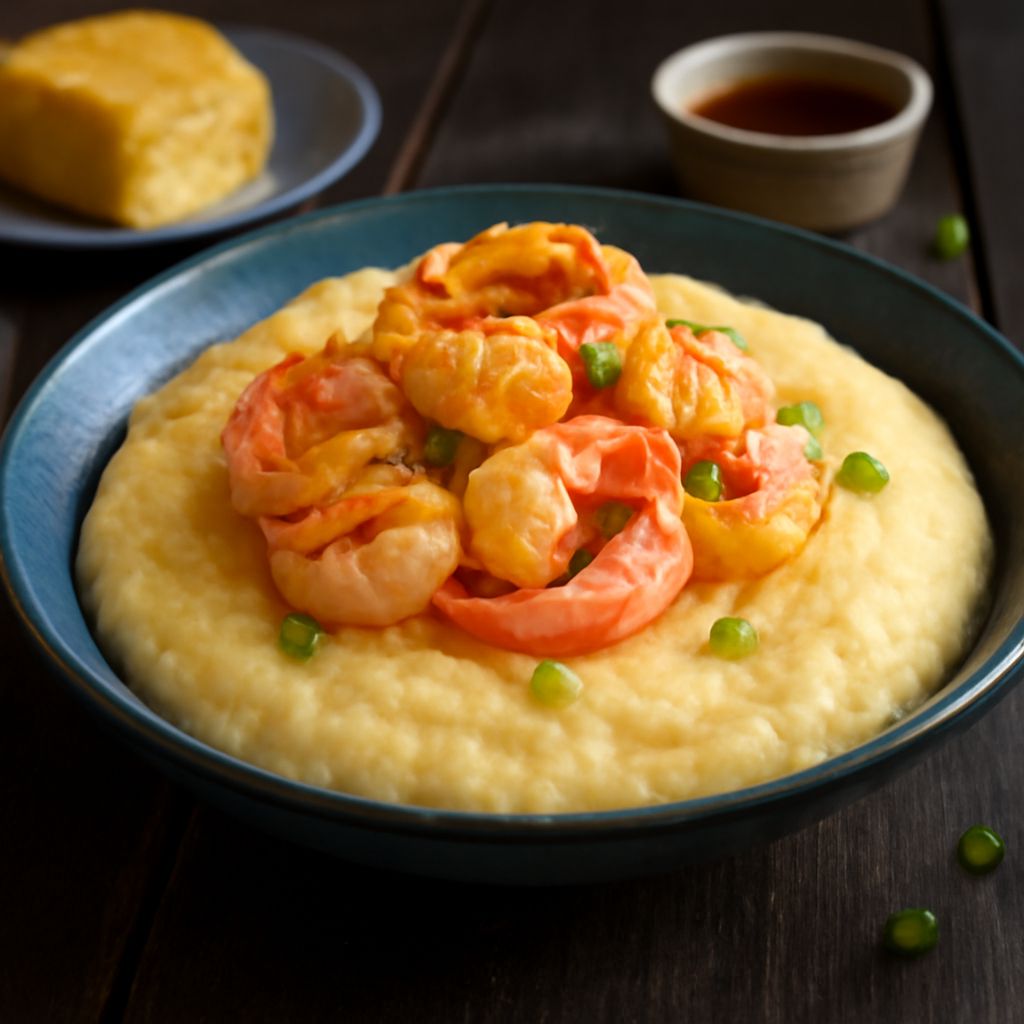
For shrimp and grits, a coarser polenta may give the dish a little more bite; a finer or quick-cooking product can make a smoother base. For a soft Italian-style bowl, grits can carry butter, cheese, and a spoonful of sauce beautifully. Taste and adjust the seasoning after the grains soften, especially if switching from water to salted stock.
The difference between grits and polenta becomes more noticeable when a recipe depends on a firm set. If you want to chill the cooked mixture, slice it, and pan-fry the pieces, cook it to a thick consistency first, spread it in a lightly oiled dish, and refrigerate until firm. Different grinds and liquid amounts set differently, so test a small piece before preparing a whole platter. A very soft porridge may need more cooking to hold a slice.
Leftover porridge thickens in the refrigerator. Reheat it gently with a splash of water or milk, stirring until smooth and hot throughout. Add more liquid a little at a time; it is easier to loosen a stiff mixture than to reduce an overly thin one. A bit of butter at the end restores a silky finish. Taste again before serving and add salt if the bowl needs it.
For a quick supper, choose a quick-cooking bag if its texture suits your meal; for a grainier bowl, allow time for a coarser grind. Check the actual package, taste for tenderness, and adjust the liquid until the spoonful feels just right.