Creating your own mayonnaise at home is more than just a fun kitchen experiment—it’s a ticket to flavor elevation and health consciousness. When you make mayonnaise, you control the ingredients, ensuring a fresh, preservative-free condiment that can turn any dish from ordinary to extraordinary. As mayonnaise recipe enthusiasts know, there’s a special satisfaction in crafting the perfect mayo recipe that store-bought versions simply can’t match.
In this guide, we’ll delve into the wonders of homemade mayo, explore the essential ingredients, and provide you with a step-by-step mayonnaise recipe. Along the way, we’ll offer tips to refine your mayo-making skills, ensuring your culinary creations are always a hit.
Why Choose Homemade Mayo
Homemade mayonnaise is superior in taste and quality compared to its commercially produced counterparts. By opting for homemade mayo, you not only avoid added sugars and artificial ingredients but also customize the flavor to suit your palate. The freshness of a homemade mayonnaise recipe enhances the natural flavors of your dishes without overpowering them.
Additionally, making your own mayo allows for flexibility. You can experiment with different oils or add ingredients like garlic, herbs, or spices to create unique variations. This versatility makes homemade mayo an essential condiment in any culinary repertoire.
Essential Ingredients for Mayonnaise
The foundation of any good mayonnaise recipe lies in its ingredients. At its core, homemade mayo requires eggs, oil, an acid (such as lemon juice or vinegar), and a pinch of salt. Each component plays a crucial role in achieving the perfect balance of flavor and texture.
Eggs are the primary emulsifiers, providing the structure that binds the oil and acid together. Opt for fresh, organic eggs for a richer taste. The choice of oil significantly impacts the final flavor; neutral oils like canola or sunflower are popular, but olive oil adds a robust character if preferred.
Acidity from lemon juice or vinegar not only brightens the flavor but also adds stability to the emulsion. Salt, though minimal, enhances the overall taste, bringing out the subtleties of the other ingredients.
Step-by-Step Mayo Recipe
Follow this straightforward mayonnaise recipe to create your own batch of creamy indulgence:
- Prepare Your Ingredients: Gather 1 large egg, 1 cup of oil, 1 tablespoon of lemon juice or vinegar, and a pinch of salt.
- Blend the Egg: In a mixing bowl, or food processor, combine the egg and acid. Blend until they are well mixed.
- Slowly Add Oil: With the blender or processor running on low, slowly drizzle in the oil. The key to a successful mayo recipe is to incorporate the oil gradually to allow the mixture to emulsify.
- Season to Taste: Once the mixture thickens to your desired consistency, taste and adjust the seasoning with additional salt or acid, if needed.
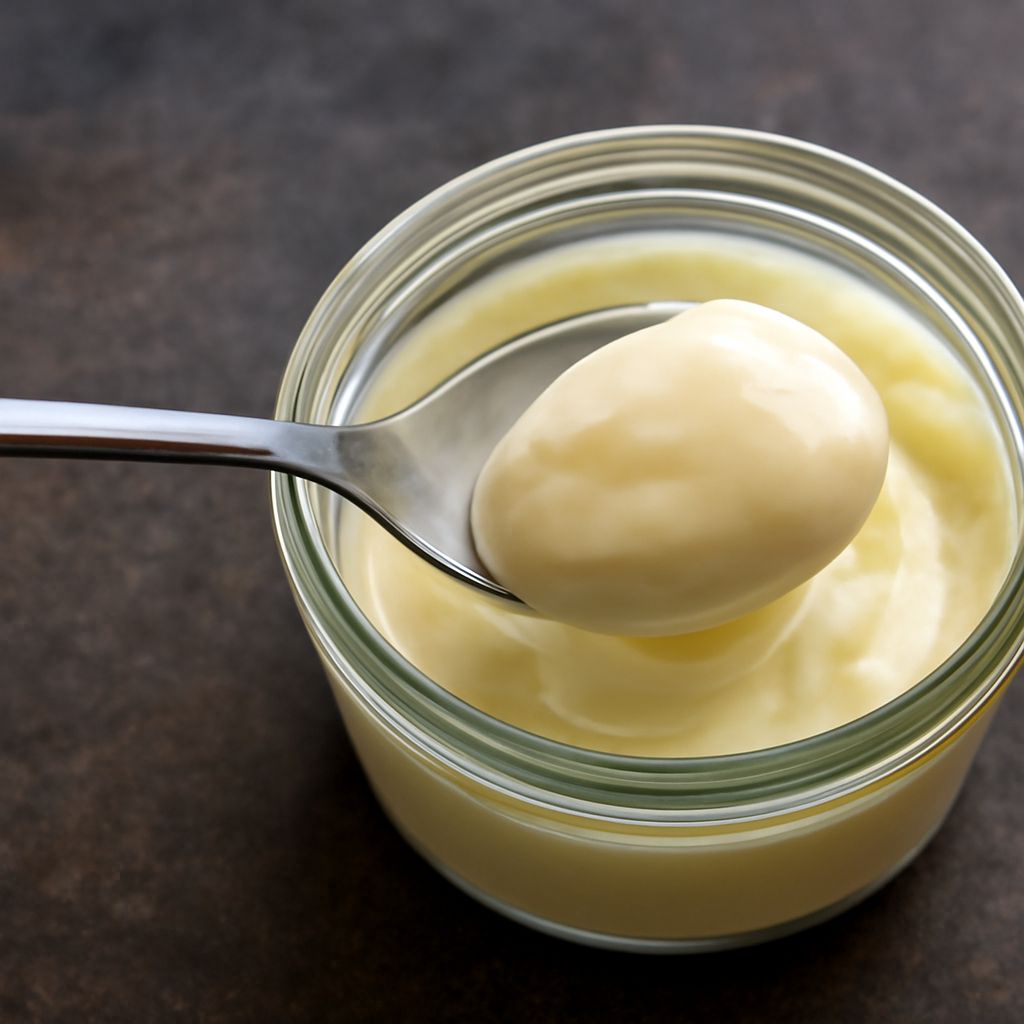
- Store Properly: Transfer your homemade mayonnaise to a clean jar, and refrigerate. Use within one week for optimal freshness.
Tips for Perfecting Your Mayo Recipe
Even the most experienced mayonnaise recipe aficionados may encounter challenges. Here are some tips to ensure success:
- Temperature Matters: Ensure all ingredients are at room temperature before starting. This promotes a smoother emulsion and a creamier texture.
- Go Slow: Adding oil too quickly is a common mistake. If the mayo doesn’t thicken, it may be because the oil was added too fast.
- Experiment with Flavors: Don’t be afraid to infuse your homemade mayo with different herbs, spices, or roasted garlic for a personalized touch.
- Equipment Choice: Use a blender, food processor, or a whisk and bowl. Each tool provides a slightly different texture, so explore and find your preference.
- Fixing a Broken Mayo: If your mayonnaise separates, start with a fresh egg yolk in a clean bowl and slowly whisk in the broken mayo to re-emulsify.
With these guidelines, you can craft a mayo recipe that’s not only a culinary staple but also a testament to your kitchen prowess. Homemade mayonnaise invites you to explore flavors, textures, and balance, ultimately enriching your cooking journey. Empower yourself with the knowledge of making mayonnaise from scratch, and enjoy the exceptional quality that only homemade mayo can bring to your table.