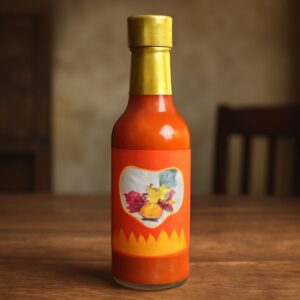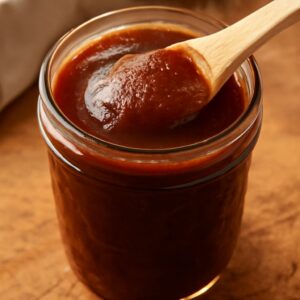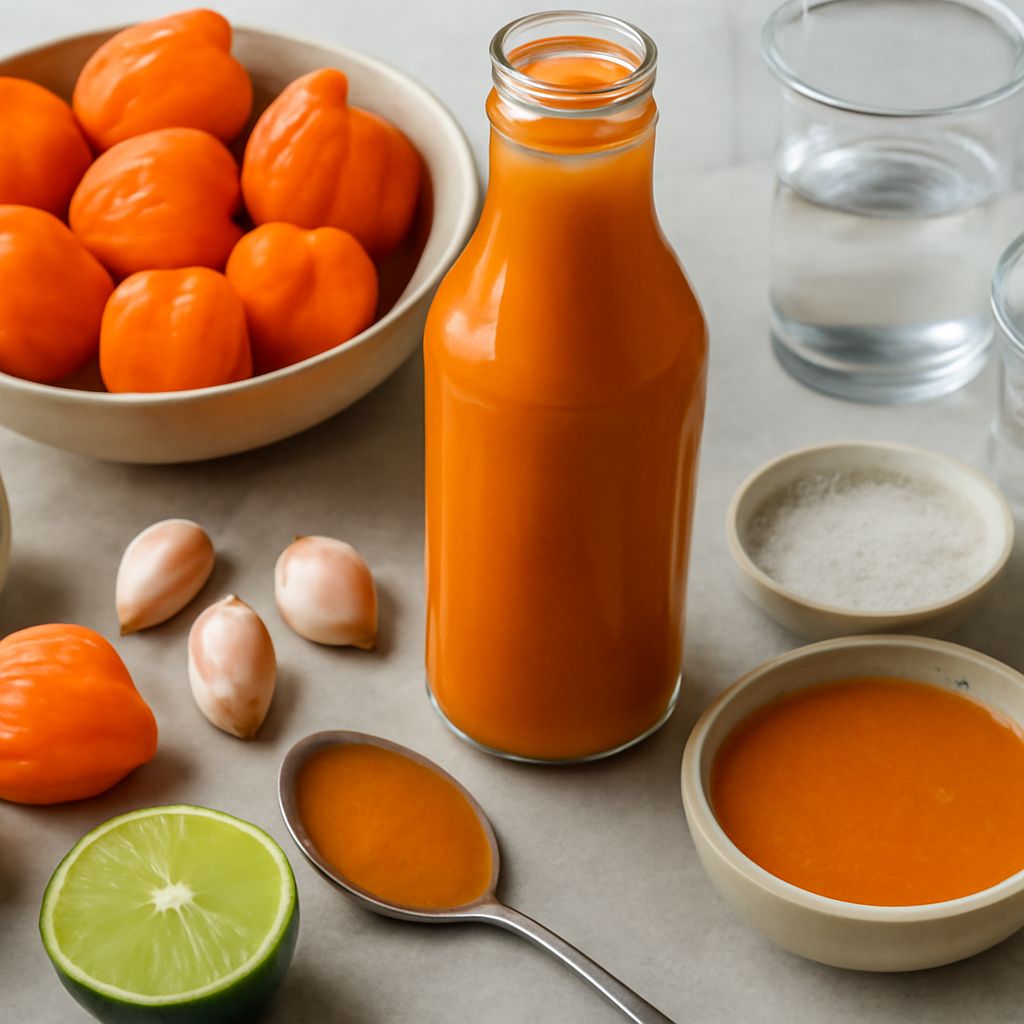
Spicy food lovers, rejoice! Whether you’re a fan of crafting your own hot concoctions with a DIY hot sauce kit or savoring the vibrant flavors of a Costa Rican hot sauce, this piece is for you. However, it’s essential to understand the potential risk of getting hot sauce in eye and how to safely enjoy your culinary adventures. From the intriguing world of carrot based hot sauce to understanding the pH of hot sauce, dive into an article that doesn’t just whet your appetite but ensures your safety.
Understanding the Risks of Hot Sauce in Eye
Getting hot sauce in your eye is more than just a spicy misadventure; it’s a painful experience that demands immediate attention. Capsaicin, the active component in chili peppers, can cause intense burning and redness. Your body’s natural reaction might be to rub your eyes, but resist this urge. Instead, immediately rinse the area with lukewarm water to dilute the capsaicin and alleviate discomfort.
Moreover, wearing gloves and keeping a clean workspace can prevent accidental transfers of hot sauce to sensitive areas. Safety should always be a priority when handling spicy ingredients. Whether you’re using a DIY hot sauce kit or enjoying a store-bought bottle, awareness and caution are your best allies.
DIY Hot Sauce Kit: Crafting Your Own Flavor
Creating your own hot sauce is a rewarding endeavor that allows for limitless creativity. A DIY hot sauce kit is an excellent starting point for those eager to explore unique flavor profiles. These kits typically include a variety of spices, vinegars, and peppers, empowering you to tailor sauces to your taste preferences.
Experimenting with different ingredients, like incorporating a carrot based hot sauce for a sweet and spicy twist, can lead to delicious discoveries. However, always remember to check the pH of hot sauce to ensure your homemade concoction is both flavorful and safe for consumption.
Exploring Carrot Based Hot Sauce Varieties
Carrot based hot sauce is a delightful fusion of sweetness and heat, offering a unique twist on traditional recipes. The natural sweetness of carrots balances the fiery kick from the peppers, creating a versatile condiment that complements a wide range of dishes.
Enthusiasts can use a DIY hot sauce kit to experiment with carrot-based recipes, adjusting the spice levels to suit their heat tolerance. Carrot based hot sauce also brings a vibrant color and a wealth of nutrients to your culinary creations, making it both a feast for the eyes and the palate. Remember, when crafting such sauces, consider the pH of hot sauce to maintain the ideal balance of flavor and acidity.
The pH of Hot Sauce Explained
Understanding the pH of hot sauce is crucial for both flavor and preservation. Most hot sauces have a pH level between 3.0 and 4.0, which helps prevent bacterial growth and extends the sauce’s shelf life. This acidic environment is achieved through the use of vinegars and citrus juices in the recipes.
When creating your own sauce with a DIY hot sauce kit, regularly testing the pH ensures that your concoction remains safe to consume over time. Adjusting the acidity can alter the taste profile, so experimenting with different vinegars and fruits can lead to unique flavor experiences. A well-balanced pH of hot sauce can significantly elevate your culinary creations.
Costa Rican Hot Sauce: A Flavorful Adventure
Embark on a culinary journey with Costa Rican hot sauce, renowned for its rich flavors and moderate heat. This sauce often incorporates tropical fruits and vegetables, offering a delightful blend of sweetness and spice that appeals to a wide audience.
Adding a Costa Rican hot sauce to your collection can bring a taste of Pura Vida to your table. Whether you’re mixing it into marinades or drizzling it over your favorite dishes, the vibrant flavors promise to transform every meal into a flavorful adventure. For those looking to replicate these tropical tastes, a DIY hot sauce kit provides an ideal platform to explore exotic ingredients and craft your own Costa Rican-inspired creations.