Welcome to the world of sumac seasoning, a vibrant addition to your culinary repertoire. This tangy and slightly citrusy spice can transform your dishes, offering a fresh twist on familiar flavors. Whether you’re looking to enhance your barbecue seasoning, delve into keto seasoning, or explore French seasoning, sumac opens up a host of delicious possibilities. Dive into our guide and discover how this versatile ingredient can be the secret to your next culinary triumph.
Introduction to Sumac Seasoning
Sumac is a spice derived from the berries of the Rhus plant, native to the Mediterranean and parts of the Middle East. Known for its deep red hue and tangy flavor, it has been used for centuries in regional cuisines, lending a citrusy brightness to dishes. This unique flavor profile makes sumac a favorite among chefs and home cooks alike. It’s used not just in traditional dishes but also to reinvent classics as a modern, flavorful twist.
In the realm of barbecue seasoning, sumac’s slightly tart flavor complements the smoky and sweet notes typically associated with BBQ sauces and rubs. The spice’s adaptability extends to keto seasoning, where its low-carb, sugar-free nature aligns perfectly with dietary guidelines. Moreover, sumac’s potential as a French seasoning element allows chefs to experiment with classic recipes, adding an unexpected zing.
Creating a Sumac Sauce
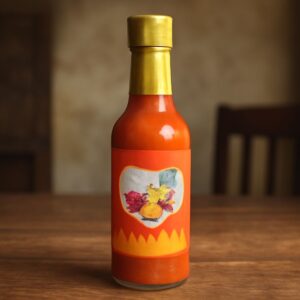
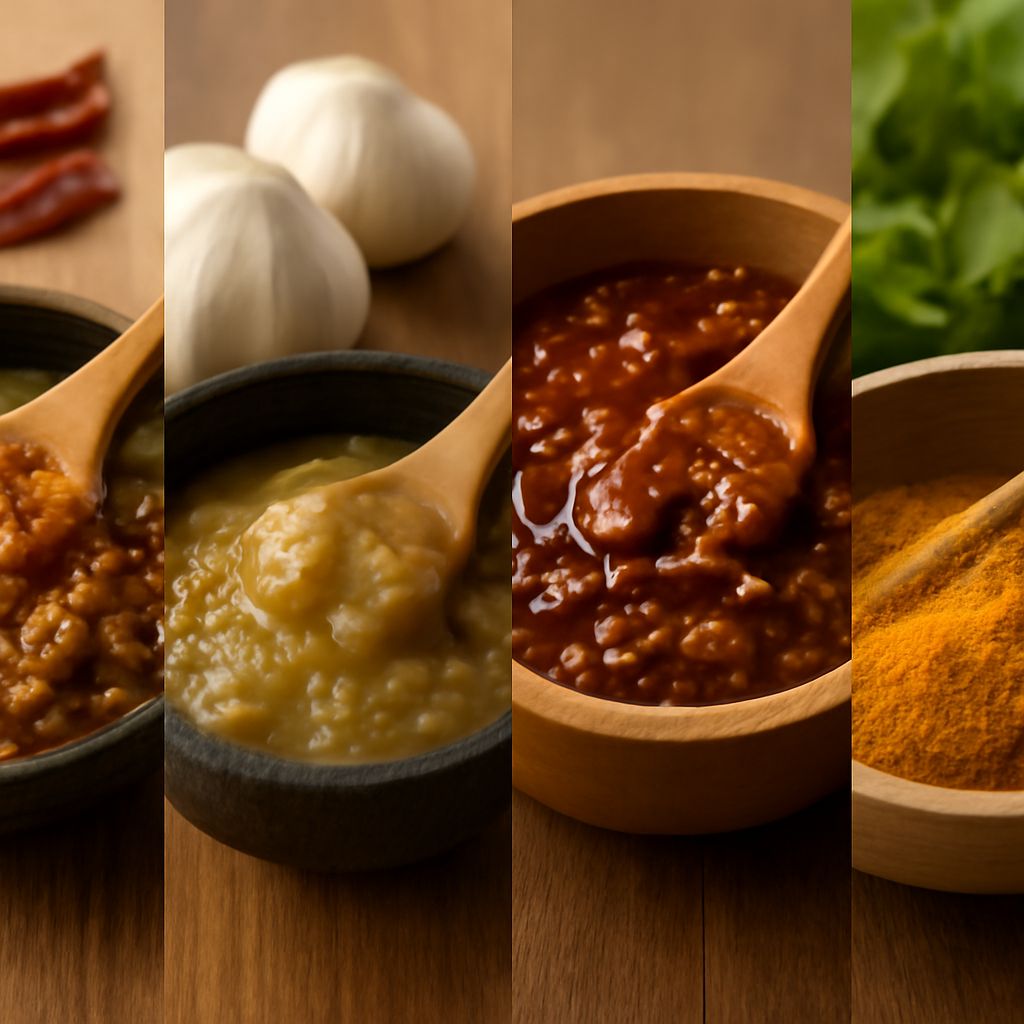
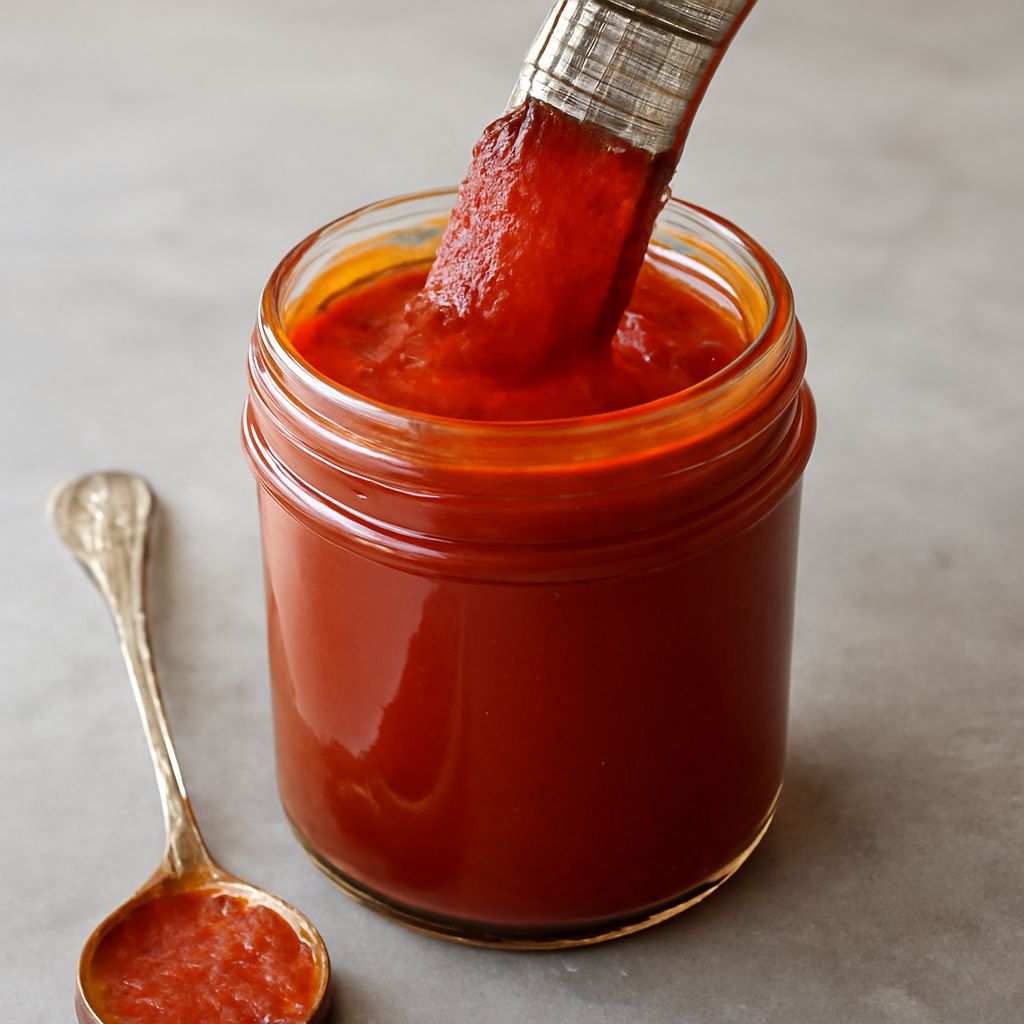
Crafting a sumac sauce is an excellent way to integrate this versatile spice into your meals. Begin by whisking together olive oil, lemon juice, minced garlic, and a generous teaspoon of sumac seasoning. Adjust the ingredients to taste, ensuring the sauce achieves a harmonious balance between tanginess and richness. This sauce can serve as a marinade, a dressing, or a dipping sauce, elevating simple ingredients with its unique flavor.
Use the sauce to bring a burst of brightness to grilled meats, roasted vegetables, or even as a zesty topping for a fresh salad. The key is to let the sumac shine, allowing its distinct taste to enhance rather than overpower the other flavors. By experimenting with different proportions and additional herbs, such as mint or parsley, you can customize the sauce to suit various culinary preferences and occasions.
Sumac in Barbecue Seasoning
Incorporating sumac into barbecue seasoning introduces an unexpected twist that can set your BBQ apart from the rest. The spice’s natural acidity helps to tenderize meats while imparting a layer of complexity to traditional BBQ flavors. Simply add sumac to your rub mix, combining it with ingredients like brown sugar, paprika, and garlic powder for an irresistible blend.
When used as part of a BBQ rub, sumac infuses meats with a subtle tang that complements smoky and sweet barbecue notes. The result is a well-rounded flavor profile that enhances the taste of grilled meats such as ribs, chicken, or beef brisket. As you experiment with sumac in your barbecue seasoning, you’ll discover new dimensions of flavor that will delight and surprise your taste buds.
Sumac: A French and Keto Seasoning Staple
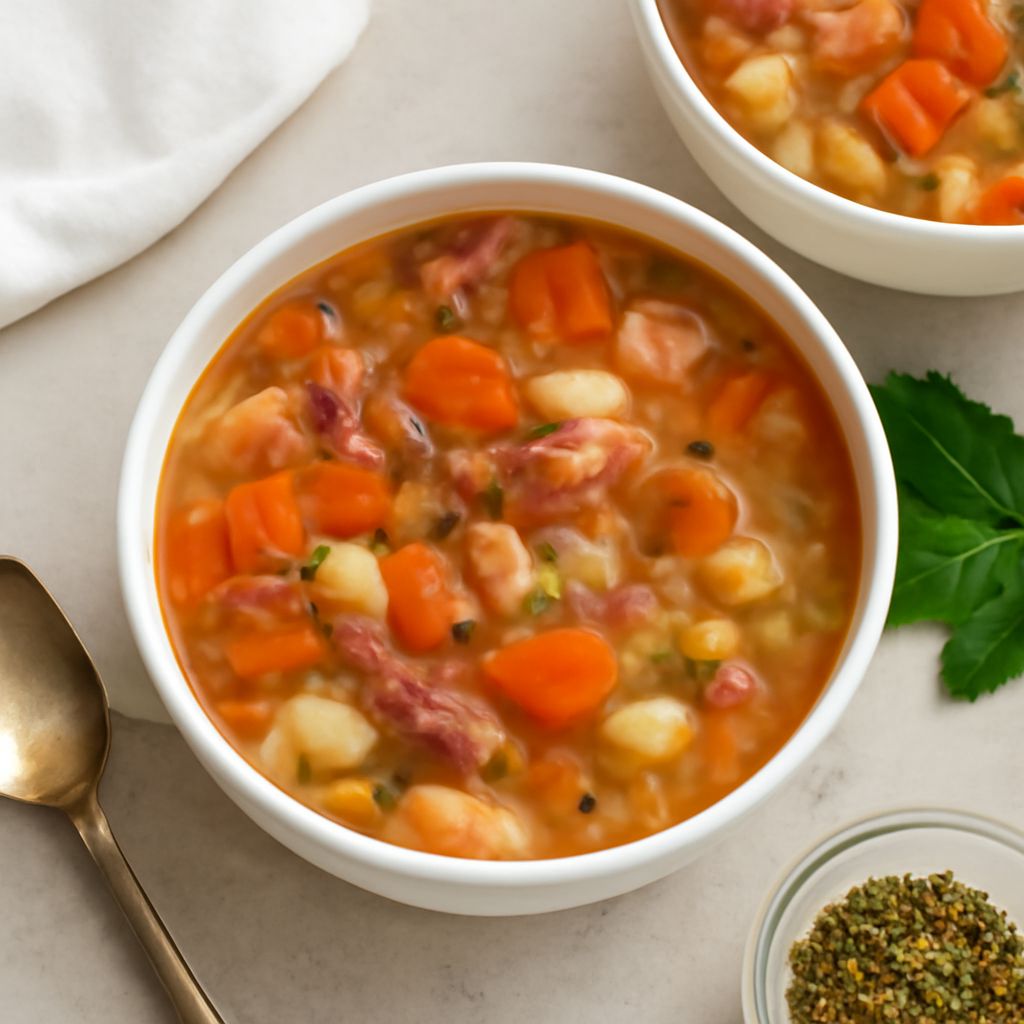
Sumac’s versatility extends beyond barbecue and into the realms of French seasoning and keto-friendly cuisine. In French cooking, sumac can be used to add depth and brightness to sauces, soups, and even desserts, providing a counterpoint to richer, heavier ingredients. Its ability to enhance flavors without overwhelming them makes it an invaluable component of creative French dishes.
For those following a keto diet, sumac seasoning is a perfect addition to low-carb, high-fat meals. Its natural acidity enhances the flavor of keto-friendly dishes without adding unnecessary carbs. Consider using sumac in dressings, as a seasoning for roasted veggies, or sprinkled over avocado for a refreshing snack. Its adaptability ensures that even those on restrictive diets can enjoy a variety of flavorful, exciting meals.
Sumac’s global influence and culinary potential make it an essential spice for any kitchen. By experimenting with this vibrant seasoning, you can elevate your cooking, whether aiming for a classic French dish, a keto-friendly meal, or a barbecue feast. Embrace the tangy zest of sumac and unlock a world of delicious possibilities.