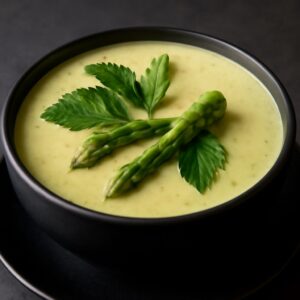
Fish head soup delivers a depth of flavor that fillets simply cannot match. The head contains cheek meat, collagen-rich skin, and fatty deposits that enrich the broth during cooking. A good fish head soup recipe unlocks all of these through a relatively short simmer, producing a broth that feels silky and substantial. Fish head stew takes this further by adding vegetables and a thicker consistency to the base.
This guide also covers the Chinese dish lion’s head soup, which despite its name is a separate preparation—and lion head soup refers to pork meatballs rather than actual fish heads. Understanding both helps you navigate the full range of dishes that carry these names.
Why Fish Heads Make Superior Broth
Collagen and Fat Content
Fish heads contain more connective tissue and natural fat than fillets. During simmering, this collagen dissolves into gelatin, which gives fish head soup a body that clear broths lack. The fat from the head carries fat-soluble flavors—particularly umami—into every cup. This is why fish head soup recipe results are consistently richer than soups made from bones alone.
Best Fish Varieties
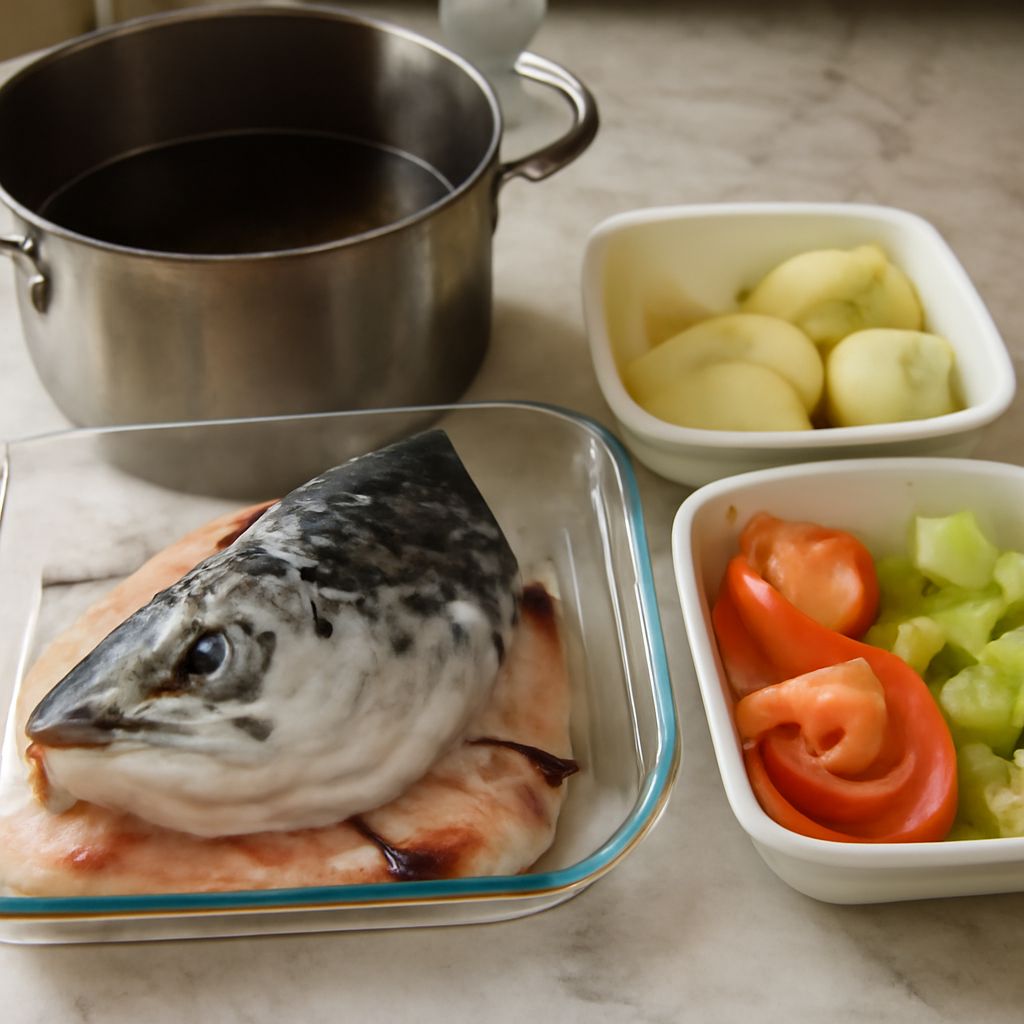
Salmon heads, snapper heads, and grouper heads are the most flavorful options for fish head stew or soup preparations. They have enough fat and meat to justify the long cooking process. Tilapia heads work but produce a thinner result. Avoid very small fish heads, as they contribute little flavor relative to their volume.
Preparing Fish Heads
Rinse the fish heads thoroughly under cold water. Remove the gills if still attached—they add bitterness to the broth. Halve large heads to expose more surface area to the simmering liquid. Some cooks briefly fry or roast the heads before simmering, which adds a caramelized layer of flavor to the final fish head soup.
Building the Broth
Ginger and scallions are the standard aromatics in most Asian fish head soup preparations. They neutralize any residual fishiness and add warmth to the broth. Bring the water with the aromatics to a boil before adding the fish heads. Simmer for 20 to 30 minutes—do not simmer longer, as fish stocks become bitter if overcooked unlike meat stocks.
Strain the broth and return it to the pot for a clear fish head soup recipe finish, or leave it unstrained for a more rustic fish head stew with all the small meat pieces intact.
Lion’s Head Soup vs. Fish Head Soup
Lion’s head soup is a Chinese preparation featuring large pork meatballs that resemble a lion’s head when surrounded by bok choy leaves. Lion head soup has nothing to do with fish—it’s a braised or simmered dish from Jiangsu province. Knowing the distinction prevents ordering confusion at Chinese restaurants and helps identify the right lion’s head soup recipe when searching online.
Serving Fish Head Soup
Serve fish head soup with steamed rice or noodles. Common garnishes include sliced scallions, cilantro, sesame oil, and white pepper. The cheek meat from a large head is the most prized part—tender and rich, it rewards those willing to eat around the bones. Fish head stew versions pair well with rice for a more complete one-bowl meal.