Lamb seasoning is about working with the meat’s natural richness rather than against it. The right blend of herbs and spices brings out the best in every cut, from rib chops to leg of lamb. A good marinade for lamb not only adds flavor but also helps tenderize tougher cuts before cooking. Understanding how to use seasoning for lamb effectively makes a real difference in the final dish.
Whether you’re building a dry rub with multiple seasonings for lamb or creating a wet marinade, the aromatic profile stays consistent: garlic, rosemary, and an acidic element are the foundation of nearly every successful seasoning lamb approach.
Classic Herbs for Lamb
Rosemary is the most traditional herb paired with lamb seasoning. Its piney, resinous character cuts through the natural fat in lamb without overpowering the meat’s flavor. Dried rosemary works in rubs, while fresh sprigs are better for slow roasting. Thyme and oregano are close seconds in any classic seasoning for lamb.
Mint is used more as a finishing garnish than a cooking seasoning in most Western preparations. In Mediterranean and Middle Eastern cooking, dried mint appears directly in the seasoning lamb rub, particularly for grilled cuts.
Spice Additions for Depth
Cumin and coriander add an earthy warmth to lamb seasoning that complements the meat’s inherent richness. Smoked paprika adds color and a subtle smokiness. Allspice, used sparingly, appears in many Middle Eastern seasonings for lamb and adds a floral complexity that distinguishes these spice traditions from European herb-forward approaches.
Black pepper is non-negotiable in any seasoning for lamb. Garlic powder works alongside fresh garlic rather than as a replacement in most serious rubs.
Building a Marinade for Lamb
A good marinade for lamb needs three things: oil, acid, and aromatics. Olive oil carries the fat-soluble flavor compounds into the meat. Lemon juice, red wine vinegar, or yogurt provide the acid that begins tenderizing the surface proteins. Garlic, rosemary, and black pepper form the aromatic core.
Yogurt-based marinades for lamb are common in Indian and Middle Eastern cooking. The lactic acid in yogurt is mild and penetrates slowly, making it ideal for overnight marination. The yogurt also creates a protective coating that prevents the surface from charring too quickly during high-heat grilling.
Dry Rub vs. Wet Marinade
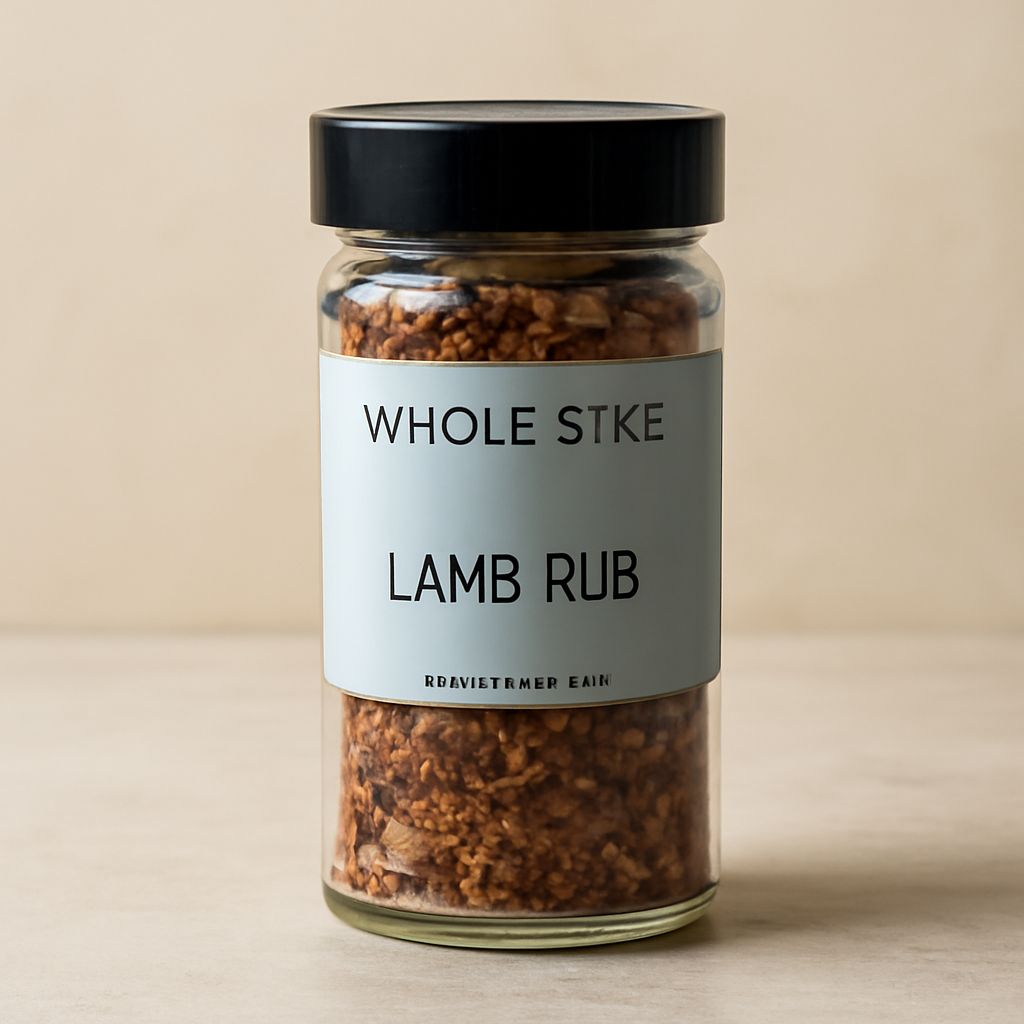
A dry rub with seasonings for lamb is the faster option. Apply the blend generously to the surface at least 30 minutes before cooking, or up to 24 hours ahead in the refrigerator. The salt in the rub draws moisture to the surface, then pulls it back in with the flavors attached—essentially a quick dry brine.
Wet marinade for lamb takes longer but penetrates more deeply. Use it for thicker cuts like leg of lamb or shoulder that benefit from extended flavor infusion. Both approaches produce excellent results when executed correctly with a well-balanced seasoning lamb preparation.
How Much Seasoning to Use
Lamb can handle aggressive seasoning. The fat in the meat absorbs herb and spice flavors well, and the cooking process mellows sharp edges. For chops, use about a teaspoon of seasoning for lamb per chop. For a whole leg, a tablespoon of dry rub per pound produces even coverage without overwhelming the meat’s natural flavor.