Ham hock and bean soup is one of those dishes that fills a kitchen with the kind of aroma that makes people drift toward the stove. The smoked hock releases rich collagen and pork flavor into the broth during a long simmer, creating a depth that bean soup with ham hocks alone produces better than any other method. Ham hock bean soup is straightforward to make and rewards patience above all else.
Whether you’re looking for a classic white bean and ham hock soup or a heartier hamhock soup with multiple bean varieties, the core technique is the same. Long cooking, good aromatics, and the right liquid-to-bean ratio produce the best results every time.
What Makes Ham Hocks So Good in Soup
Collagen and Smoke
Ham hocks are the lower shank portion of the pig’s leg. They contain significant amounts of connective tissue and cartilage that break down into gelatin during extended simmering. This gelatin gives ham hock and bean soup a silky, full-bodied mouthfeel that broth made from boneless ham cannot replicate. The smoked version adds a deep pork-smoke layer to every spoonful of bean soup with ham hocks.
Whole vs. Crosscut Hocks
Whole hocks produce more gelatin and require longer cooking, often three hours or more. Crosscut hocks—sliced across the bone—work faster because the marrow is more exposed. Both produce excellent ham hock bean soup; the choice depends on your available time rather than flavor preference.
Bean Varieties for Ham Hock Soup
Navy beans and great northern beans are the most common choices for white bean and ham hock soup. Both have mild, creamy flavors that absorb the smoky pork broth well. Cannellini beans produce a slightly creamier texture. Dried beans produce a better result than canned in hamhock soup because they absorb the broth flavor during their long cook rather than arriving already flavored from their canning liquid.
Building the Aromatic Foundation
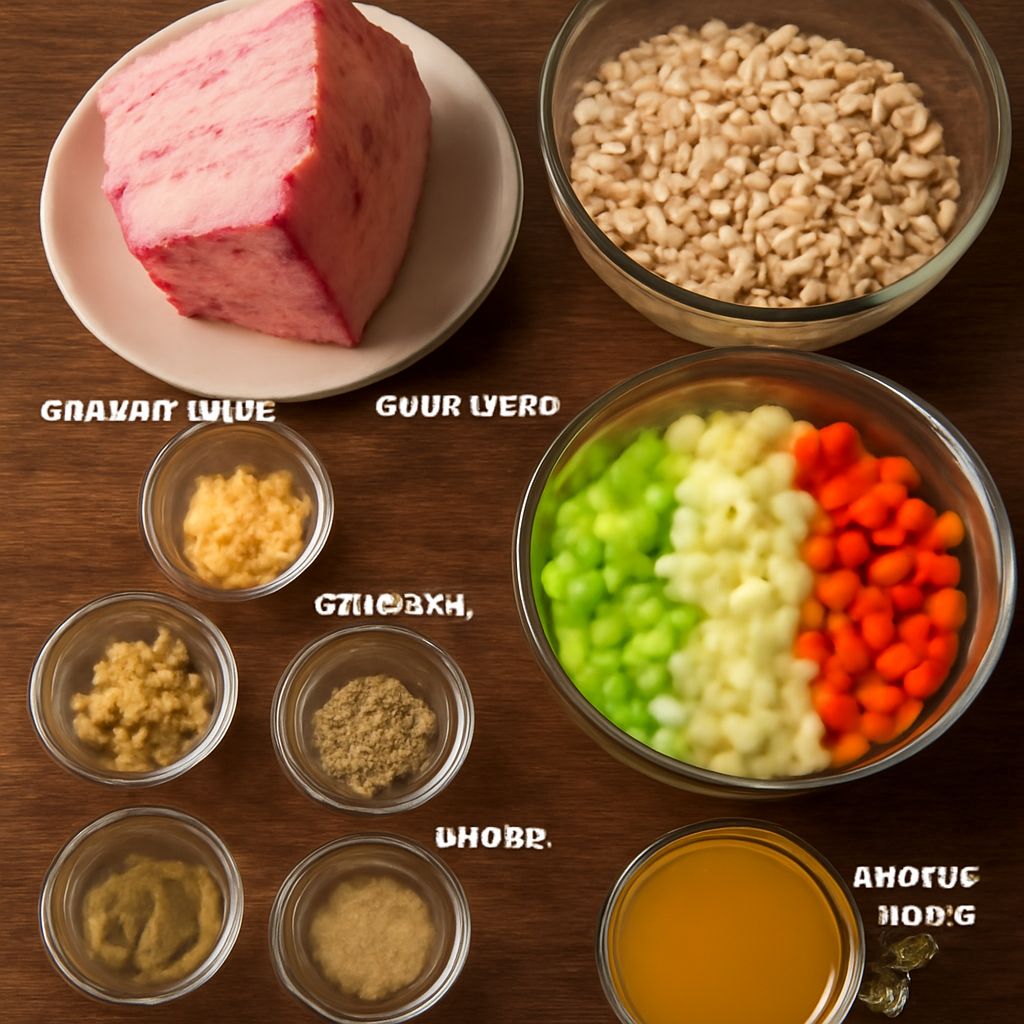
Start with diced onion, celery, and carrots sautéed in a small amount of oil or butter. Add garlic and cook briefly. For ham hock and bean soup, these aromatics provide the sweetness and freshness that the smoky pork needs for balance. Bay leaves, dried thyme, and black pepper complete the seasoning foundation before you add the liquid.
Simmering for the Right Texture
Place the rinsed beans, hock, aromatics, and enough water or chicken broth to cover everything by two inches into the pot. Bring to a boil, then reduce to a gentle simmer. Bean soup with ham hocks benefits from a slow, low simmer rather than a vigorous boil. Boiling breaks the beans apart prematurely and makes the broth cloudy.
Simmer the ham hock bean soup for two to three hours. Check periodically and add liquid if needed. The beans should be fully tender and beginning to break down before you remove the hock.
Finishing and Serving
Remove the hock when the meat shreds easily from the bone. Pull off any usable meat and return it to the pot. Discard the skin and bone. Taste the white bean and ham hock soup at this point and add salt carefully—the hock contributes significant saltiness throughout cooking.
Mash a small portion of the beans against the side of the pot to thicken the broth naturally. Serve the hamhock soup with crusty bread or cornbread for a complete meal.
Pro Tips Recap
Use smoked hocks for the deepest flavor in any ham hock and bean soup. Start with dried beans, not canned, for maximum broth absorption. Salt at the end only, once you taste the finished hamhock soup, to avoid over-seasoning from the naturally salty hock.