Cuban cuisine offers a symphony of flavors, and few dishes capture the island’s heritage like congri rice. This hearty combination of rice and beans is not just a staple—it’s a celebration of culture, family, and comfort. Congri rice brings together simple ingredients and transforms them into a savory, satisfying meal that’s perfect for any occasion.
If you’re searching for the unmistakable taste of Cuban beans and rice, look no further than an authentic congri recipe. The story of Cuban congri is one of tradition, resourcefulness, and the unique blend of influences that define Cuban cooking. Let’s dive into its origins, techniques, and how to bring this classic to your own table.
What is Congri Rice?
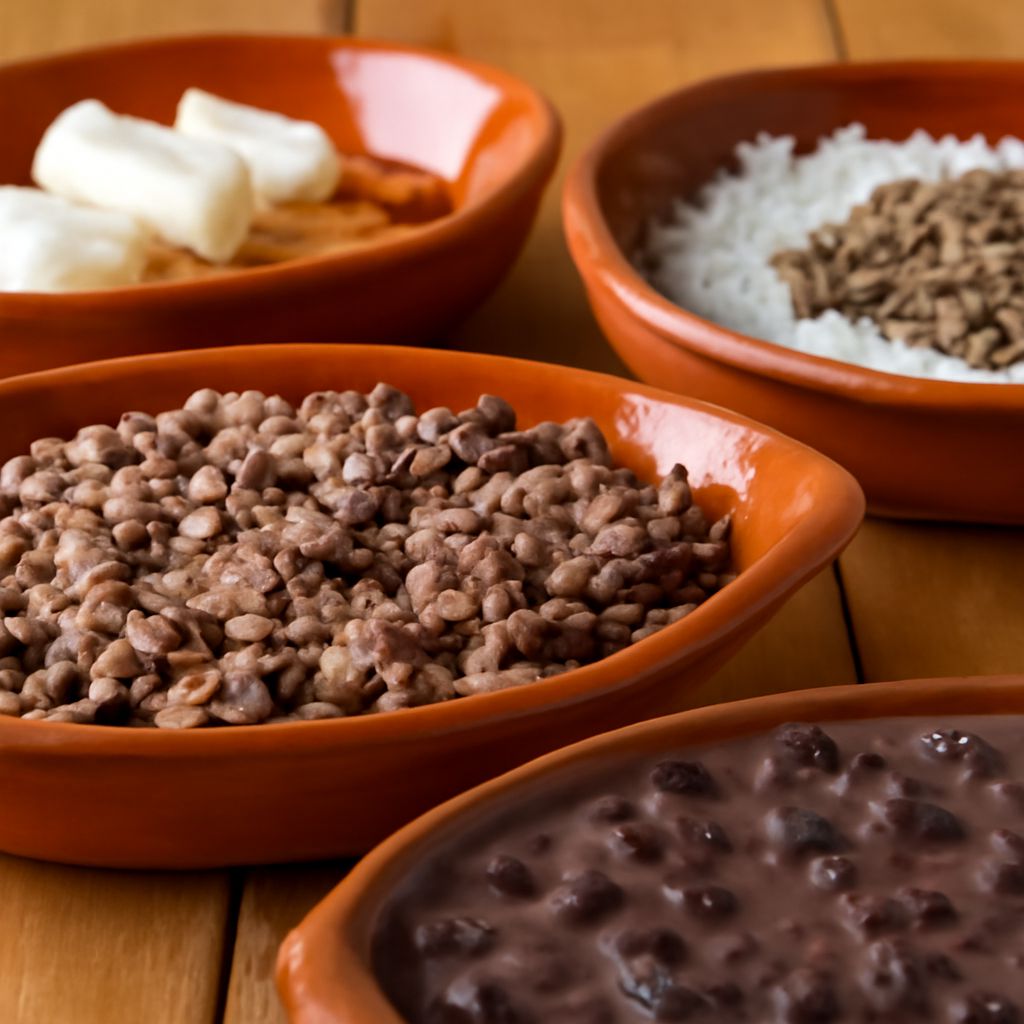
Congri rice is a traditional Cuban dish made by cooking rice and beans together with spices, aromatics, and sometimes pork. In its most popular form, congri features black beans, but some regional versions use red beans instead. The hallmark of congri rice is its earthy, smoky flavor, achieved as the rice absorbs the seasoned bean broth during cooking.
Unlike other beans and rice dishes, congri rice is cooked as a one-pot meal, allowing every grain of rice to soak up the flavors of garlic, onions, bell peppers, cumin, and bay leaf. This method creates a harmonious blend where no element outshines the others. The result is a fluffy, fragrant dish that’s both nourishing and deeply satisfying.
The simplicity of congri rice belies its nuanced taste. Traditional recipes often include bits of bacon or salt pork, lending a smoky undertone. Each variation reflects local tastes and family traditions, making congri a culinary bridge across generations. Whether made at home or enjoyed in Cuban restaurants, this dish remains a beloved staple.
Today, versions of congri rice have made their way beyond Cuba, delighting food lovers worldwide. Its adaptability and comforting flavor profile have established it as an essential part of Cuban cuisine and a must-try for anyone exploring Caribbean flavors.
Origins of Cuban Beans and Rice
The roots of Cuban beans and rice can be traced to the island’s complex history of migration and cultural exchange. African, Spanish, and indigenous Taíno cuisines all contributed techniques and ingredients that shaped what we now know as cuban congri. The idea of combining grains and legumes for a complete, protein-rich meal has deep historical roots, reaching back centuries.
The name “congri” itself is believed to derive from African dialects—specifically, the words “Kongo” (referring to the Congo region) and “riz” (French for rice). Over time, the dish evolved in Cuban kitchens, adopting local flavors and ingredients. Historically, Cuban beans and rice provided an affordable way to feed large families, using pantry staples to create something substantial and delicious.
Regional differences exist: in eastern Cuba, “congri” typically uses red beans, while in Havana and the west, black beans are the star. This diversity highlights how cuban congri is both a unifying and adaptive symbol of Cuban identity. The dish is a testament to the resilience and creativity of generations who made the most of what was available.
Today, Cuban beans and rice remains central not only to home cooking but also to festive occasions, where it’s often served alongside roast meats and plantains. Its history is woven into the cultural tapestry of the island, celebrated in kitchens across Cuba and around the world.
How to Make an Authentic Congri Recipe
Crafting a classic congri recipe starts with simmered beans—black or red—prepared with aromatics like garlic, onion, and bell pepper. The bean broth forms the base for cooking rice, infusing it with savory depth. If you want to achieve true authenticity, use dried beans, though canned beans offer convenience for busy cooks.
Begin by sautéing bacon or salt pork in a large pot. Add chopped onions, garlic, and bell peppers, cooking until fragrant. Stir in rinsed rice and let it toast briefly in the fat, absorbing flavor. Add the cooked beans with their liquid, bay leaf, cumin, oregano, and salt. Bring to a simmer, then cover and cook on low until the rice is tender and the liquid absorbed.
The secret to an exceptional congri recipe lies in layering flavors at every stage. For extra depth, some cooks splash in a little vinegar or squeeze of citrus at the end. Let the dish rest before fluffing with a fork, allowing the components to meld.
Whether you follow a family recipe or create your own riff, a well-made congri recipe delivers bold taste and satisfying texture. It’s a dish that invites creativity, welcoming additions like diced ham, sofrito, or hot sauce for extra punch.
Tips for Perfect Cuban Congri
Achieving the ideal Cuban congri texture—fluffy but cohesive—takes a little practice. Use long grain rice for the best results, as it won’t become sticky. Rinse the rice thoroughly before cooking to remove excess starch and ensure separated grains.
A key tip for cuban congri is to accurately measure the bean broth and water. Too much liquid can make the rice mushy, while too little will leave it undercooked. Add small amounts as needed and keep the pot covered to trap steam.
Don’t skip the resting period after cooking. Give the rice time to finish absorbing flavors off the heat. For a smokier profile, consider adding a bit of smoked paprika or chipotle powder, or use ham hock in place of bacon. Even a splash of olive oil at the end can enhance the dish’s richness.
Finally, adjust the seasonings to your taste. More cumin or oregano can emphasize the earthy notes, while a squeeze of fresh lime offers brightness. These finishing touches help every bite of Cuban congri sing with flavor.
Serving and Pairing Suggestions
Congri rice is incredibly versatile, pairing beautifully with a range of Cuban dishes. Traditionally, it’s served alongside roast pork (lechón asado), grilled chicken, or stewed beef. The savory profile of congri rice complements rich meats, balancing the plate with wholesome grains and protein.
For vegetarian meals, congri rice stands alone or with sautéed vegetables, avocado, or fried plantains. The dish can also be a canvas for toppings like pickled onions or hot sauce for added zing. Leftovers reheat well and make a flavorful base for grain bowls or burritos.
To complete your meal, serve Cuban beans and rice with a crisp green salad and slices of ripe tomato. A side of yuca with mojo sauce is a classic Cuban pairing. For festive gatherings, round out the spread with sweet treats like flan or tres leches cake.
Whatever the occasion, Cuban beans and rice offers comfort, nutrition, and tradition in every bite—an invitation to gather and enjoy the heart of Cuba’s culinary heritage.
Key takeaways: Congri rice is a beloved Cuban classic, blending beans, rice, and spices into a flavorful one-pot dish. With its deep roots and adaptable recipe, it’s a great way to explore Cuban flavors at home. Serve it with your favorite sides for a meal everyone will love.