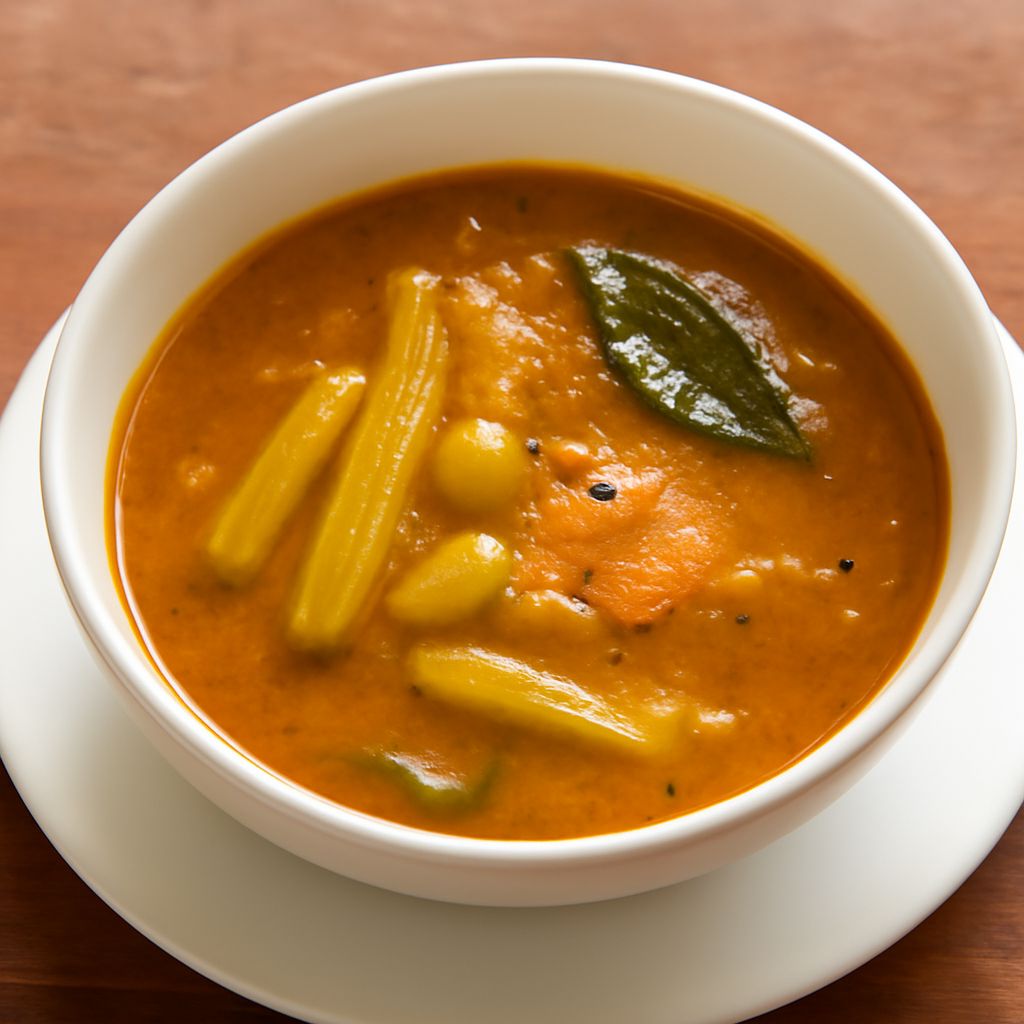
Unlock the depth and comfort of a classic South Indian meal with this sambar recipe. Not only is sambar soup one of the most nutritious and aromatic vegetable stews, but it also brings a burst of flavor to your dining table. Whether you’re craving a bowlful on its own or as a side for dosa and rice, learning how to make sambar at home means you can enjoy this wholesome treat anytime. This easy sambar recipe is designed for both beginners and seasoned cooks, ensuring every spoonful tastes authentic and deeply satisfying.
Introduction to Sambar
Sambar is a beloved South Indian lentil-based stew, traditionally packed with vegetables and aromatic spices. It’s celebrated for its tangy, earthy flavors and is a staple across homes and restaurants alike. Often enjoyed as sambar soup or poured generously over rice, its versatility means it appears at breakfast, lunch, or dinner.
The unique flavor of sambar comes from tamarind, sambar powder, and a blend of seasonal vegetables simmered with split pigeon peas (toor dal). Regional variations abound—from the subtlety of Tamil Nadu’s sambar to the coconut-rich tastes of Kerala. Mastering how to make sambar at home lets you adapt these nuances, customizing each batch to suit your preferences.
As a vegetable-forward dish, sambar not only supports a balanced diet but also provides plenty of plant-based protein and fiber. Its warming spice profile aids digestion, making it a comfort food that’s also healthful. Whether you’re new to Indian cuisine or a lifelong fan, this easy sambar recipe brings a cornerstone of South Indian cooking to your kitchen.
Ingredients for Sambar Recipe
An authentic sambar recipe calls for a thoughtful selection of lentils, vegetables, and fragrant spices. Each component is essential for capturing the signature taste and texture of sambar soup. Begin by gathering the following:
- Lentils: 1 cup toor dal (split pigeon peas), washed and soaked for 30 minutes
- Vegetables: Drumsticks, carrots, potatoes, pumpkin, eggplant, green beans, okra (mix and match to taste; about 2–3 cups chopped)
- Tamarind: Lemon-sized ball, soaked in warm water and pulp extracted
- Spices: 2–3 tablespoons sambar powder, ½ teaspoon turmeric, salt to taste
- Tempering: 1 tablespoon oil, 1 teaspoon mustard seeds, 1 teaspoon cumin seeds, a pinch of asafoetida (hing), 2 dried red chilies, a few curry leaves
- Optional: 1 small tomato, a pinch of jaggery for sweetness, fresh coriander leaves for garnish
Fresh and seasonal produce enhances the dish, while store-bought or homemade sambar powder lends convenience. The best sambar soup balances tang, spice, and the natural sweetness of vegetables.
How to Make Sambar Step by Step
To achieve a truly flavorful sambar soup, each layer of cooking is important. Start by boiling the soaked toor dal with turmeric until soft; mash well for a creamy base. While the lentils cook, chop your chosen vegetables into bite-sized pieces. In a separate pot, add these vegetables with enough water, a pinch of salt, and cook until just tender.
Next, add the mashed dal to the vegetables along with tamarind pulp and sambar powder. Mix thoroughly, and simmer for 10–15 minutes to let the flavors meld. Taste and adjust salt or spice as needed. A spoonful of jaggery can balance the tang if your tamarind is very sour.
For the final flourish, prepare the tempering: heat oil in a small pan, add mustard seeds, cumin seeds, asafoetida, dried red chilies, and curry leaves. Once the seeds splutter, pour this aromatic tempering over the bubbling sambar. Give everything a gentle stir, and garnish with coriander leaves for freshness.
This method preserves the vegetables’ integrity while infusing the broth with the essential flavors that define an easy sambar recipe. The result is a hearty, vibrant stew that’s perfect for any meal.
Serving and Variations
Sambar soup is endlessly adaptable and makes for a comforting main or a flavorful side. Traditionally, it’s served steaming hot with idli, dosa, or plain rice, making it the centerpiece of South Indian breakfasts and lunches. Pair with coconut chutney and papad for an authentically rounded meal.
For a lighter meal, ladle sambar soup into bowls and enjoy as a standalone vegetable stew with a squeeze of fresh lemon. The flavors deepen as it sits, making leftovers particularly tasty the next day. Customize your sambar by changing up the vegetables, adding spinach or bottle gourd, or using moong dal for a gentler taste.
Regional tweaks abound—add grated coconut for a Kerala touch, or a hint of fenugreek for extra depth. However you serve it, this easy sambar recipe adapts beautifully to your pantry and palate.
Tips for Easy Sambar Recipe
Getting sambar right every time is simple with a few chef-tested tips. Always use fresh sambar powder for optimal aroma; homemade is best, but high-quality store-bought versions work in a pinch. Soaking dal speeds up cooking and yields a creamier base.
If you want a thicker stew, gently mash a portion of the vegetables. To avoid slimy okra, sauté it briefly before adding to the pot. Adjust the tamarind for your preferred tang, and remember—the flavors really come together after a short resting period, so let the sambar sit for 15–20 minutes before serving.
Mastering how to make sambar at home invites creativity but relies on balance. With practice, this sambar recipe becomes a reliable favorite, lending comfort and nutrition to every meal.