A reliable poultry seasoning recipe gives you more control than any grocery store jar. You pick the ratios, skip the fillers, and end up with a fresher, more aromatic blend. Knowing how to make poultry seasoning from scratch means you’re never caught without it on a holiday morning when the stores are closed.
This diy poultry seasoning guide covers everything — the classic spice lineup, optional additions, the right ratios, and smart storage. Use it as your go-to recipe poultry seasoning for chicken, turkey, stuffing, or soup. Once you make your own poultry seasoning, you won’t go back to pre-packaged.
What Goes Into Poultry Seasoning
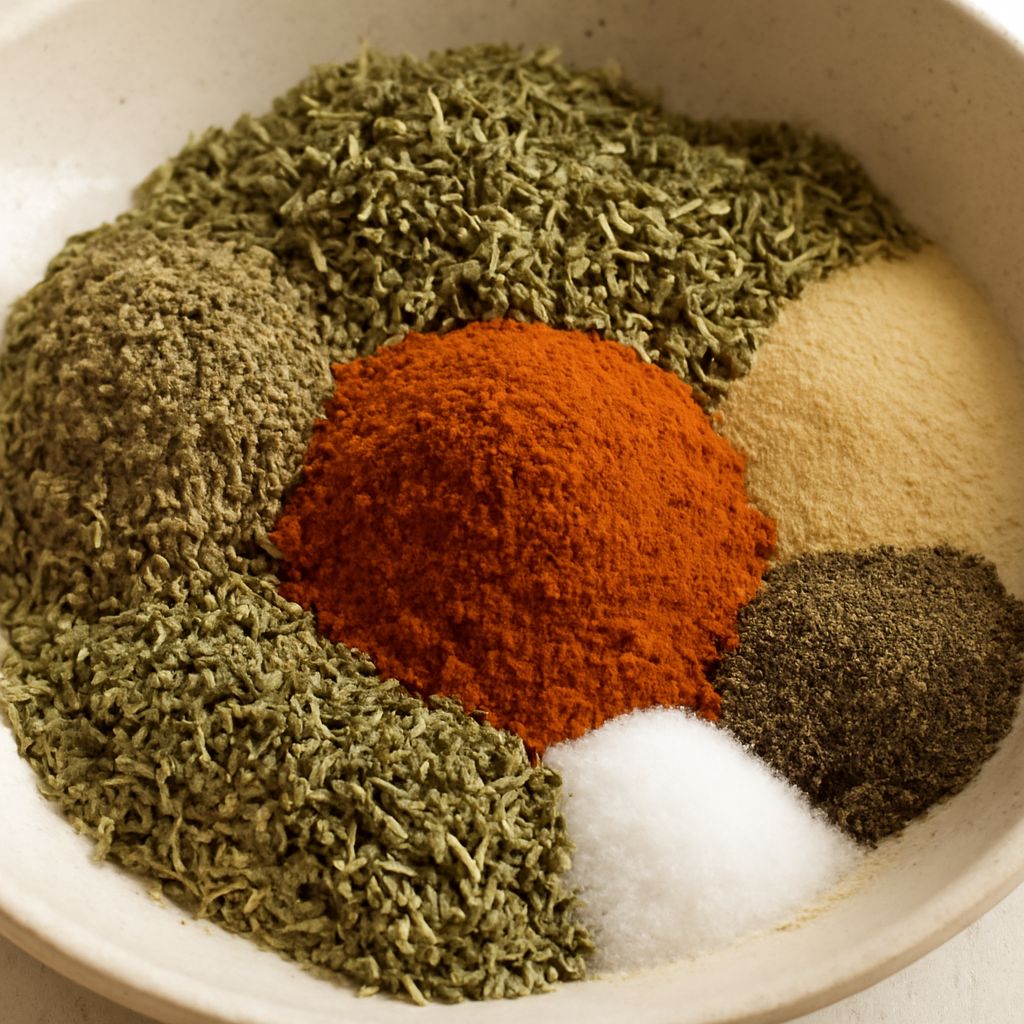
The Core Spices Traditional poultry seasoning centers on dried sage, thyme, rosemary, and marjoram. Sage carries the most weight — it’s earthy, slightly peppery, and defines the flavor profile most people associate with roast turkey. Thyme adds a floral, slightly lemony note. Rosemary brings pine-like sharpness. Marjoram softens the blend with mild sweetness. Black pepper and a small amount of nutmeg round out the mix.
A basic starting ratio: 3 parts sage, 2 parts thyme, 1 part rosemary, 1 part marjoram, 1 part black pepper, and a quarter part nutmeg. Scale up or down based on how much you need.
Optional Add-Ins for Custom Flavor
Celery seed adds a savory, slightly bitter note that works well in stuffing. Onion powder deepens the umami profile. Dried parsley lightens the blend visually and adds a faint grassy note. A pinch of cayenne gives heat without changing the fundamental character of your seasoning mix.
How to Make Poultry Seasoning Step by Step
Measuring and Mixing
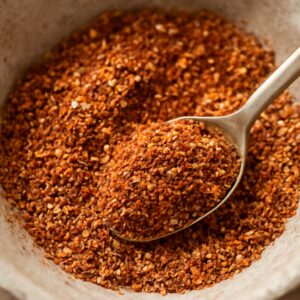
Use a small bowl and measuring spoons. Combine all the dried herbs and spices, then stir until evenly distributed. If your dried rosemary has large needle-like pieces, pulse it in a spice grinder first for a finer texture. The finished blend should look uniform — no clumps, no visible large pieces.
Toasting for Deeper Flavor
For a more intense diy poultry seasoning, toast the herbs lightly in a dry skillet over low heat for one to two minutes before mixing. Stir constantly and pull the pan off the heat as soon as the herbs become fragrant. This step is optional but makes a noticeable difference on roasted chicken or turkey.
How to Use Your DIY Poultry Seasoning
On Chicken and Turkey
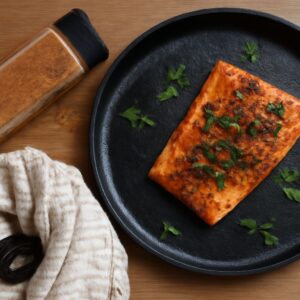
Rub the blend directly onto the skin and under it before roasting. Mix it with softened butter for a compound butter that you slide under the breast skin. A tablespoon per pound of bird is a reliable starting point for your recipe poultry seasoning application. Season the cavity too — it flavors the drippings.
In Stuffing and Soups
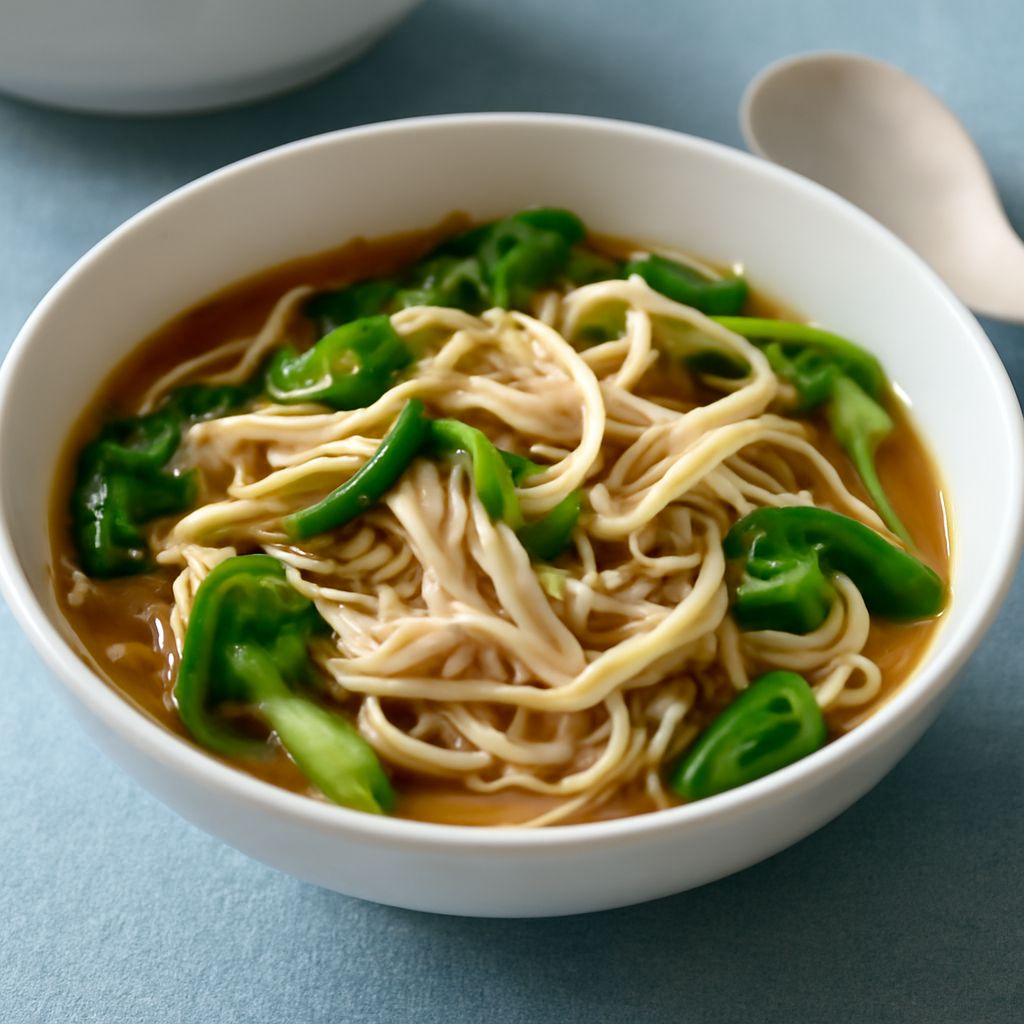
Stir the blend into bread stuffing along with sautéed onions and celery. Add a teaspoon or two to chicken noodle soup or vegetable broth-based stews. The spice blend works in meatballs, turkey burgers, and even roasted root vegetables.
Storing Your Spice Blend
Transfer your finished poultry seasoning recipe into a small glass jar with a tight-fitting lid. Label it with the date. Stored away from heat, light, and moisture, the blend stays potent for six months. After that, it won’t spoil but the aroma fades. Make small batches every season to keep your spices at peak strength. A quarter-cup batch is usually enough for several months of regular cooking.
Pro Tips Recap
Use freshly purchased dried herbs for the best results — old herbs make a weak blend. Toast lightly for deeper flavor when time allows. Keep your jar away from the stovetop, where heat and steam degrade the spices faster. When you make your own poultry seasoning, you control every element: no anti-caking agents, no mystery fillers, and no stale herb dust from a jar that’s been sitting in the spice rack for three years.