When you stand in front of a spice rack trying to decide between creole vs cajun seasoning, the choice matters. These two blends are not interchangeable. Both come from Louisiana, both use bold spices, but they reflect different culinary traditions and deliver different results in the kitchen. Understanding cajun vs creole seasoning helps you pick the right one for the dish you’re making and gives you better control over flavor.
The short version: creole seasoning vs cajun comes down to herbs. Creole blends include more of them. Cajun blends lean harder on pepper and heat. But there’s more nuance to the difference between creole and cajun seasoning than just herbs. The full story involves history, culture, and how each blend behaves in cooking. When you compare cajun seasoning vs creole seasoning side by side, the differences become clear.
Historical Background
Cajun Origins
Cajun cooking traces back to Acadian French settlers who were expelled from Canada and resettled in rural Louisiana in the 1700s. Their food was practical and rustic, built around what was available locally: game, crawfish, pork, and dried spices. The seasoning tradition that emerged reflected that directness: heat-forward, pepper-heavy, no-frills.
Creole Origins
Creole cuisine developed in New Orleans, shaped by a more urban mix of French, Spanish, African, and Native American influences. It included tomatoes, butter sauces, and a wider range of fresh herbs. The seasoning blends that came out of this tradition were more layered and aromatic than their Cajun counterparts.
What Goes into Each Blend
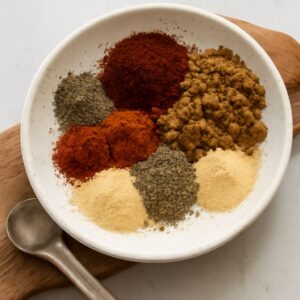
A typical Cajun seasoning includes paprika, cayenne, garlic powder, onion powder, black pepper, white pepper, and oregano. Some versions add thyme and salt. The emphasis is on heat and savory depth, with minimal green herb presence.
Creole seasoning uses many of the same base spices but adds dried basil, thyme, and sometimes dried parsley more generously. The herb content gives creole blends a more complex, aromatic quality. When examining creole seasoning vs cajun ingredient lists directly, the herb ratio is the most consistent difference.
Heat Level Differences
In most commercial blends, Cajun seasoning runs hotter. The cayenne pepper content tends to be higher, and some blends also include dried chili flakes. Creole blends typically use cayenne more conservatively, relying on paprika for color and warmth without as much sharp heat.
This isn’t a universal rule. Homemade versions vary widely. But when you buy cajun vs creole seasoning off a shelf, expect the Cajun option to be the spicier one of the two.
How to Use Each in Cooking
Use Cajun seasoning as a dry rub for grilled or blackened proteins: shrimp, chicken, catfish, pork chops. It works in gumbo and jambalaya but should be added in controlled amounts because the heat builds quickly. This cajun seasoning vs creole seasoning distinction matters most when the spice blend is the primary seasoning rather than just a background note.
Creole seasoning performs well in tomato-based dishes, étouffée, and anything that simmers for a while. The herbs in the blend develop during long cooking, which makes it a better fit for braises, stews, and red gravies. The difference between creole and cajun seasoning becomes most apparent in slow-cooked dishes where the herbs have time to bloom.
Making Your Own
The easiest way to control the creole vs cajun seasoning debate in your own cooking is to make both from scratch. For Cajun, mix paprika, cayenne, garlic powder, onion powder, black pepper, white pepper, salt, and oregano. For Creole, use the same base but add dried basil, thyme, and parsley, then reduce the cayenne slightly.
Making your own also means you can adjust heat to personal preference without compromising the characteristic flavor of either blend.
Bottom Line
Cajun seasoning prioritizes heat and a peppery punch; creole seasoning brings in herbs for a more layered, aromatic profile. Both belong in a well-stocked kitchen. Know which one your recipe calls for and you’ll get better results every time.